Why Documentation Makes or Breaks a Claim
Filing an insurance claim without the right paperwork is like showing up to court without evidence. Insurers rely on documentation to verify what happened, confirm your coverage, and calculate what you're owed. Missing a key item - a repair estimate, a police report, a physician's letter - can stall your claim for weeks or trigger a denial that might otherwise have been avoided.
This checklist covers the core documents you'll want to gather before your first call to your insurer, organized by claim type. Not every item will apply to your situation, but reviewing the full list takes only a few minutes and can prevent costly back-and-forth later. For context on what happens once you submit, see our overview of the claims process after filing.
File Within Your Policy's Deadline
Most insurance policies require you to report a loss within a specific timeframe - sometimes as short as 24 to 72 hours for certain claim types. Filing late can jeopardize your right to reimbursement. Check your policy documents or call your insurer's customer service line to confirm the deadline that applies to your situation before you spend too much time gathering documents.
What You'll Need to Get Started
Regardless of your claim type, a handful of documents are universal. Pull these together first - they form the foundation of every submission.
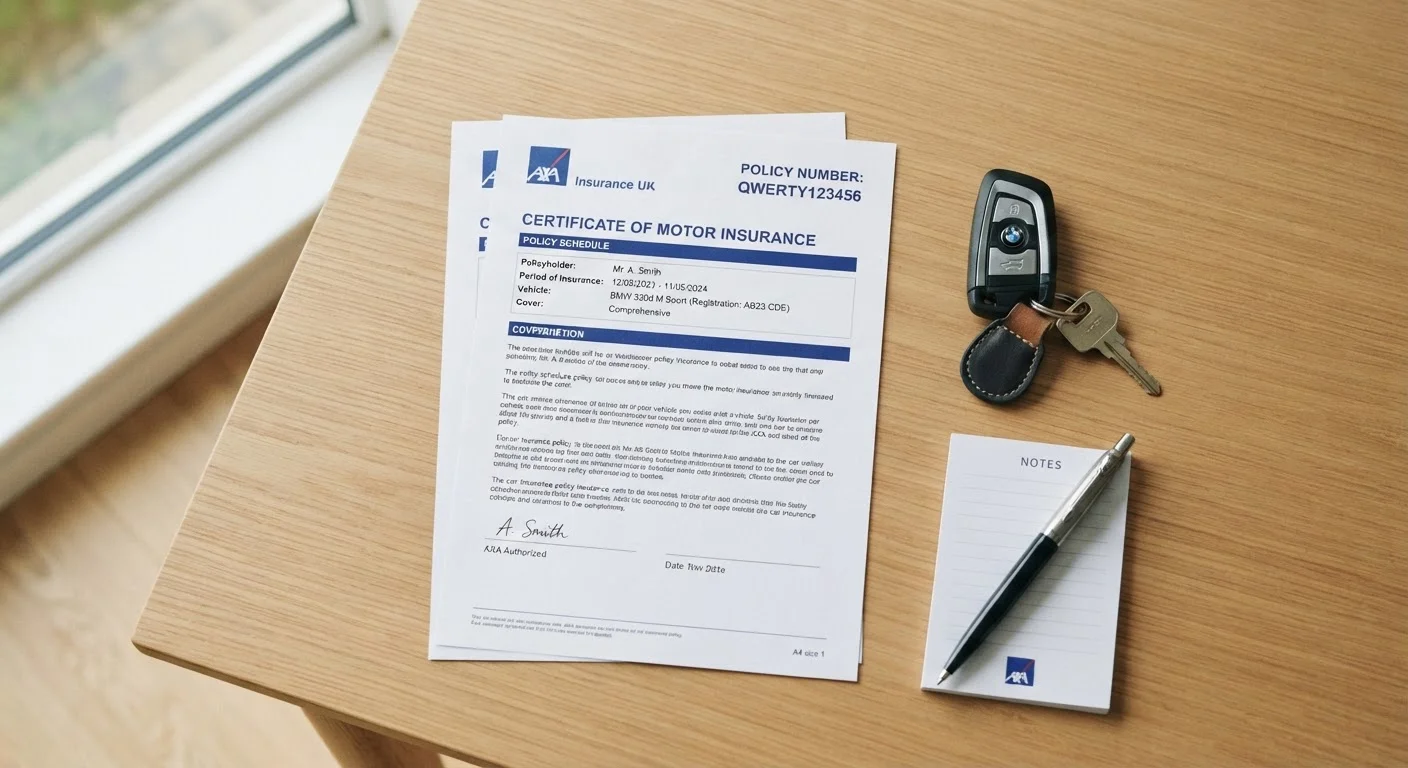
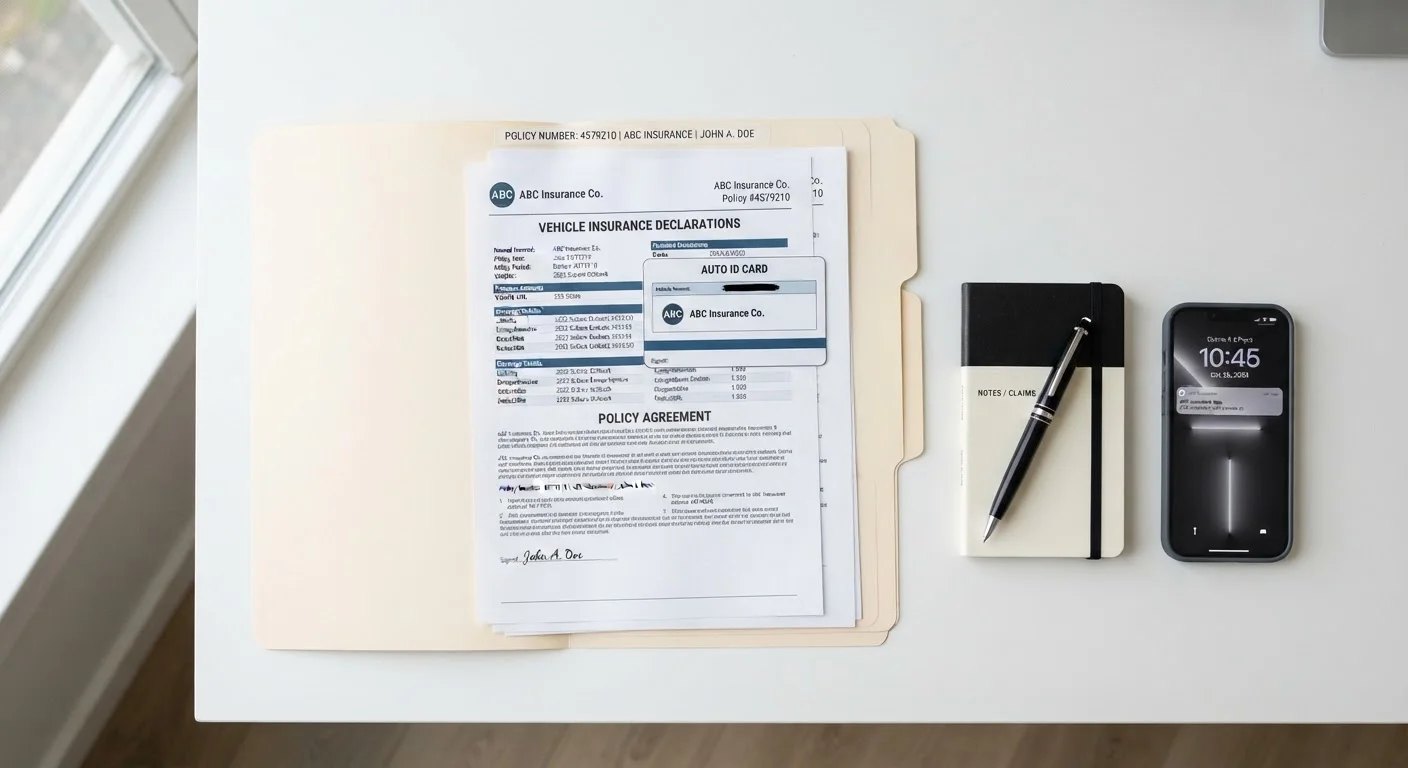
Policy Declarations Page
Confirms your coverage types, limits, deductibles, and policy number - required by your insurer from the first call.
Smartphone Camera or Digital Camera
Used to document damage, receipts, and scene conditions with time-stamped photos and video.
Cloud Storage or Physical Folder
Keeps all claim-related documents organized and accessible throughout the process.
Spreadsheet or Notebook
Tracks phone calls, names of representatives spoken to, dates, and any commitments made by your insurer.
Insurer's Claims App or Online Portal
Many insurers allow you to submit photos and documents digitally, which can speed up the initial review.
Once you have the basics in hand, move on to the documents specific to your claim type below. If you're unsure what your policy actually covers, it may be worth doing a quick coverage review. Our coverage audit checklist can help you spot gaps before a claim exposes them.
The Full Documentation Checklist
Work through each group relevant to your claim. Check off items as you locate and organize them. If a document doesn't exist yet - such as a contractor estimate - note it and request it before contacting your insurer, when possible.
Universal - Every Claim
Auto Claims
Home or Property Claims
Health Insurance Claims
Don't Begin Permanent Repairs Too Early
For home and property claims, your insurer typically needs to inspect the damage before permanent repairs begin. Making repairs prematurely - without documented pre-repair evidence - can complicate the adjuster's assessment and potentially reduce your settlement. Take thorough photos and get written estimates first, and confirm with your insurer before authorizing anything beyond temporary protective measures.
If you're weighing whether to handle the claim yourself or bring in a public adjuster, our article on filing a claim vs. hiring a public adjuster walks through the tradeoffs. First-time filers may also find the step-by-step first claim walkthrough useful once this checklist is complete.
This article is for general informational purposes only and does not constitute insurance, legal, or financial advice. Coverage terms, exclusions, and claims requirements vary by insurer, policy, and state. Always read your actual policy documents and consult a licensed insurance professional for guidance specific to your situation.