Why Human Foods Can Harm Pets
Dogs and cats have distinct metabolic systems that process many compounds very differently than humans do. Ingredients that are entirely safe — even nutritious — for people can trigger toxic reactions in pets, ranging from digestive upset to organ failure. Understanding which kitchen staples pose risks is a core part of responsible pet ownership.
This reference covers the most common offenders identified in veterinary toxicology literature and flagged by organizations such as the ASPCA Animal Poison Control Center. If you suspect your pet has ingested any toxic substance, contact your veterinarian or a poison control hotline immediately — do not wait for symptoms to develop.
The Most Dangerous Kitchen Foods for Dogs and Cats
The following foods are among the most frequently reported causes of pet poisoning in household settings:
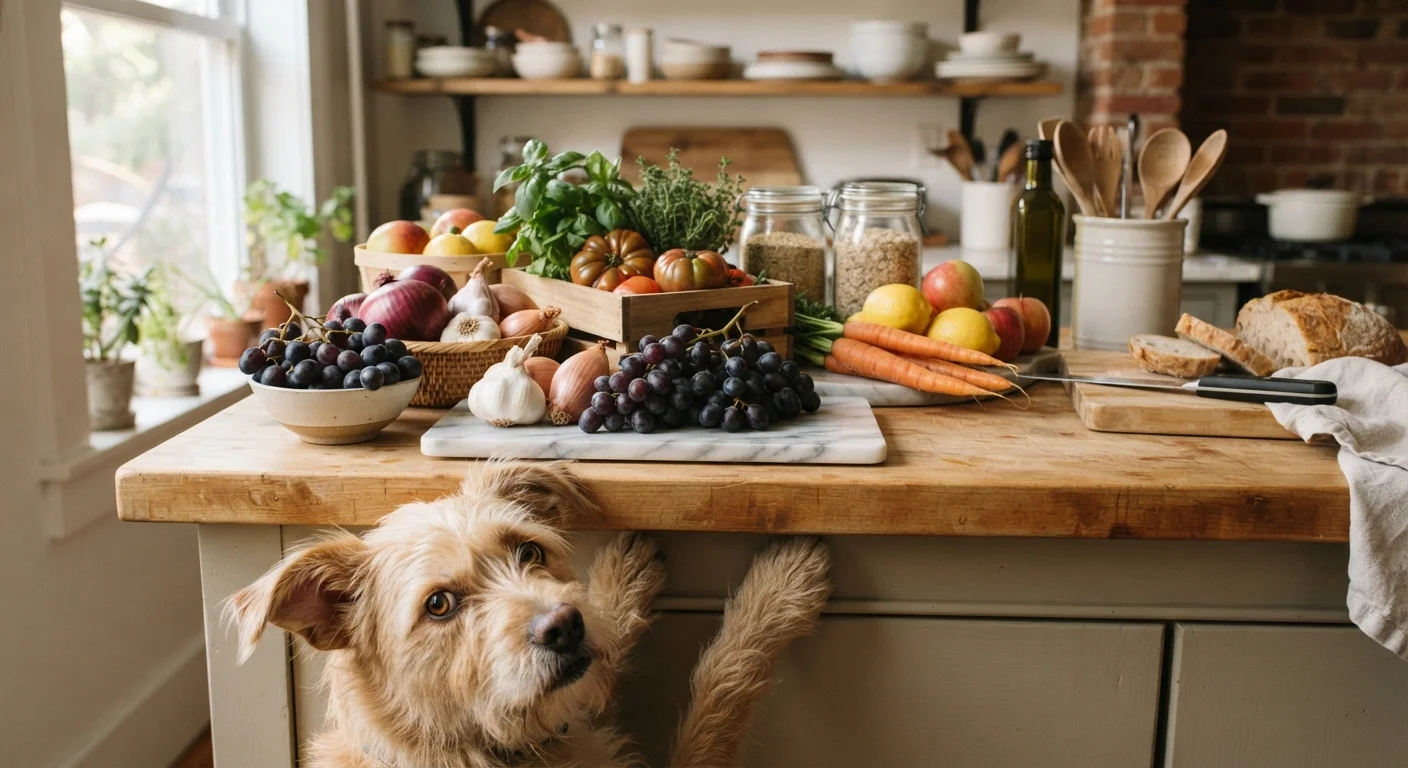
- Alliums (onions, garlic, leeks, chives): All members of the Allium family contain compounds called thiosulfates that damage red blood cells in both dogs and cats, potentially causing hemolytic anemia. Powdered or cooked forms are often more concentrated and equally dangerous.
- Grapes and raisins: Even small quantities have been associated with acute kidney failure in dogs. The mechanism is not fully understood, and the toxic dose varies unpredictably between individual animals — so no amount should be considered safe.
- Xylitol: This sugar alcohol, used widely in sugar-free gum, peanut butter, baked goods, and some medications, causes a rapid insulin release in dogs, leading to dangerously low blood sugar (hypoglycemia) and potential liver failure. Check ingredient labels carefully.
- Chocolate and caffeine: Both contain methylxanthines — theobromine and caffeine — that dogs and cats cannot metabolize efficiently. Toxicity varies by chocolate type: baking chocolate and dark chocolate are far more dangerous than milk chocolate. Symptoms include vomiting, tremors, and cardiac arrhythmias.
- Macadamia nuts: Associated with weakness, hyperthermia, and neurological signs in dogs. The mechanism is not well characterized, but toxicity is well documented in veterinary case reports.
- Alcohol and raw yeast dough: Alcohol is far more toxic to pets than to humans, and raw dough can produce ethanol as yeast ferments in the stomach. Even small exposures can cause serious central nervous system depression.
- Avocado: Contains persin, a compound that can cause vomiting and diarrhea in dogs and cats. Birds and small mammals are at considerably higher risk of cardiac and respiratory complications.
Thiosulfates
Sulfur-containing compounds found in allium vegetables (onions, garlic, chives) that oxidize red blood cells in dogs and cats, leading to hemolytic anemia — a condition where red blood cells are destroyed faster than they can be replaced.
Xylitol
A naturally derived sugar substitute used in many sugar-free products. In dogs, it triggers an abnormally large release of insulin, causing blood sugar to drop to dangerous levels; it may also cause liver damage with larger exposures.
Methylxanthines
A class of naturally occurring compounds that includes caffeine and theobromine. Both are found in chocolate and are poorly metabolized by dogs and cats, leading to stimulant-like toxicity affecting the heart and nervous system.
Hemolytic anemia
A condition in which red blood cells are prematurely broken down, reducing the blood's ability to carry oxygen. In pets, it is a key mechanism behind allium toxicity and may present as weakness, pale gums, or rapid breathing.
Persin
A fungicidal toxin produced naturally in avocado leaves, skin, and fruit. It is primarily dangerous to birds and small mammals; effects in dogs and cats are typically milder but still warrant caution.
For a broader look at how what your pet eats affects long-term health, see how diet contributes to pet obesity.
Practical Steps to Reduce Exposure at Home
Toxicity risk is primarily about access. Most accidental ingestions happen when pets are left unsupervised near food preparation areas, trash cans, or holiday tables. A few consistent habits substantially reduce that risk:
When to Contact Poison Control or a Vet
If you believe your pet has eaten any of the foods listed in this article, do not wait for symptoms to appear before seeking help. Some toxins — particularly xylitol and grapes — can cause serious internal damage before outward signs are visible. The ASPCA Animal Poison Control Center operates 24 hours a day; a consultation fee may apply. Your regular veterinarian or an emergency animal hospital can also advise you on next steps.
- Store high-risk foods — especially raisins, xylitol-containing products, and chocolate — in closed cabinets or the refrigerator, not on open counters.
- Read ingredient labels of processed foods before sharing anything with your pet. Xylitol in particular appears under multiple names and in unexpected products.
- Inform all household members and guests about the risks. Many poisoning incidents involve well-meaning visitors offering table scraps.
- Dispose of food waste in a covered bin your pet cannot open.
Understanding labels more broadly is valuable: learning to read a pet food label helps you evaluate both commercial pet foods and any human-food supplements you consider adding to your pet's diet.
If your pet begins showing symptoms — vomiting, lethargy, tremors, pale gums, or abnormal thirst — after a potential exposure, treat it as an emergency. Time matters with many of these toxins, and early intervention consistently improves outcomes. This article is for general educational purposes only and is not a substitute for veterinary advice tailored to your animal's individual health status.
This article provides general information only and is not a substitute for professional veterinary advice. Always consult a licensed veterinarian for guidance specific to your pet's health needs.