What Comprehensive and Collision Actually Cover
Before deciding whether to drop coverage, it helps to understand exactly what you'd be giving up. Collision coverage pays for damage to your own vehicle resulting from an accident with another car or object, regardless of fault. Comprehensive coverage handles non-collision events - theft, vandalism, hail, flooding, or hitting an animal.
Crucially, both coverages pay out based on your vehicle's actual cash value (ACV) at the time of the loss - not what you originally paid, and not what it would cost to buy a comparable new car. Understanding how ACV differs from replacement cost is essential: as your car depreciates, the maximum possible payout shrinks, while your premium may not drop proportionally.
The Core Financial Calculation
The central question is straightforward: are you paying more in premiums over time than the coverage could realistically pay out? A widely cited rule of thumb among financial educators suggests that if your combined annual comprehensive and collision premium exceeds roughly 10% of your vehicle's current market value, the math may favor dropping those coverages.
~10%
Premium-to-value threshold often cited by financial educators
A commonly referenced guideline suggests reconsidering comprehensive and collision when the combined annual premium exceeds roughly 10% of the vehicle's current market value.
47%
Share of insured vehicles estimated to be older than 10 years
According to data from automotive research organizations, a significant portion of vehicles on American roads are a decade or more old, making coverage-value calculations increasingly relevant for many drivers.
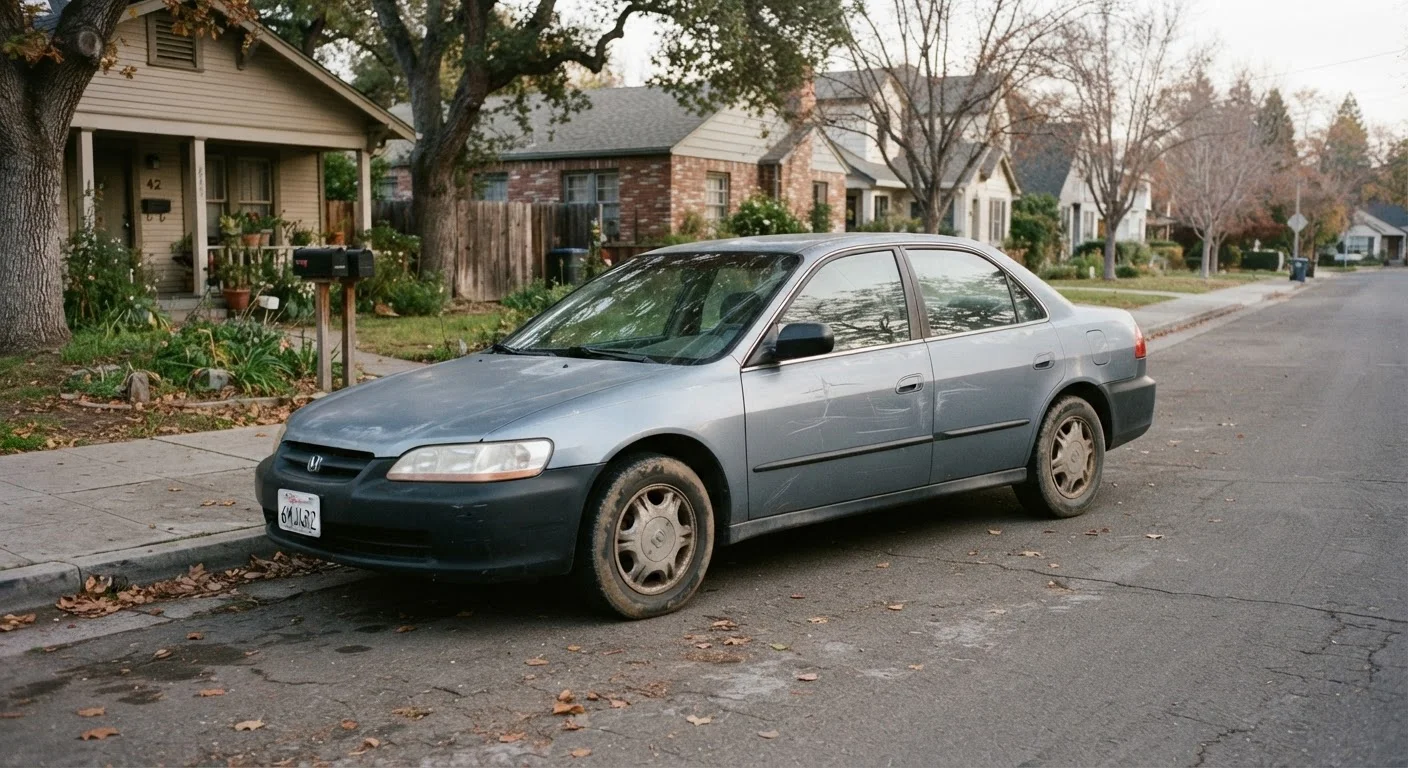
For example, if your car is worth $4,000 on the open market and you're paying $600 per year for comprehensive and collision - before your deductible is even applied - you'd need a covered total loss relatively quickly just to break even on premiums. After your deductible is subtracted from any payout, the net benefit shrinks further.
Use resources like published used-vehicle valuation guides to check your car's current market value, and compare that figure against your current premium and deductible combination. A low deductible may feel protective, but it also keeps premiums elevated - which can make the break-even point harder to reach on a low-value vehicle.
Pros of Dropping Comprehensive and Collision
For eligible drivers, removing these coverages can meaningfully reduce monthly expenses and simplify the policy.
Immediate reduction in monthly insurance premiums
Comprehensive and collision together typically represent the most expensive portion of an auto policy. Removing both can produce meaningful savings, particularly on older vehicles where premiums have not kept pace with depreciation.
Elimination of deductible risk on low-value claims
When a car is worth $4,000 and your deductible is $1,000, many repair scenarios result in a payout too small to justify a claim - and filing can affect future rates. Dropping coverage removes premiums tied to benefits you may rarely collect.
Simplified policy with fewer coverage layers to manage
A liability-only policy is easier to understand and compare across insurers. Fewer coverage types mean fewer variables to track during annual renewal reviews.
Frees funds for vehicle replacement savings
The premium savings can be redirected into a dedicated savings account, effectively self-insuring - building a fund specifically to replace or repair the vehicle if needed.
Self-Insuring Requires Genuine Financial Readiness
Choosing to drop collision and comprehensive coverage is sometimes described as 'self-insuring' - but that phrase only holds up if you have accessible savings to cover a worst-case scenario. Dropping coverage without a financial cushion is not self-insuring; it's assuming uncovered risk. Before removing these coverages, honestly assess whether your emergency fund could absorb the complete loss of your vehicle without serious financial strain.
Cons and Risks to Weigh Carefully
Removing coverage is not without real exposure. Before making changes, consider these significant disadvantages.
Full out-of-pocket exposure after an at-fault accident
If you cause a collision, liability coverage pays for damage to others - but nothing covers your own vehicle's repair or replacement. Even a modest accident could cost thousands of dollars with no insurer to share the burden.
No protection against theft, weather, or non-collision events
Without comprehensive coverage, events like vehicle theft, a hailstorm, or a flood result in a total loss you absorb entirely. These are not hypothetical risks in many parts of the country.
Potential violation of a loan or lease agreement
Most auto lenders and leasing companies contractually require borrowers to maintain full coverage for the life of the loan. Dropping these coverages could trigger a loan default or force-placed insurance at a higher cost.
Financially devastating if reserves are insufficient
Self-insuring only works if you have liquid savings to cover a total loss. Without that cushion, an uninsured vehicle loss can create serious financial hardship, especially if the car is essential for work.
It's also worth noting that the gap between minimum liability and full coverage is substantial in a serious accident. Dropping comprehensive and collision moves you closer to that minimum coverage floor, which carries its own risks if your financial reserves are limited.
Factors That Should Influence Your Decision
No single rule fits every driver. Several variables should shape your thinking:
- Loan or lease obligations: If you still owe money on the vehicle, your lender almost certainly requires you to carry both coverages. Dropping them would violate your financing agreement.
- Your emergency fund: Can you absorb a $3,000-$6,000 out-of-pocket repair or replacement without financial hardship? If not, retaining coverage may be the more prudent path.
- Local risk environment: Drivers in areas with high vehicle theft rates, frequent hail, or flood-prone geography get proportionally more value from comprehensive coverage.
- Your driving patterns: High-mileage commuters face statistically more collision exposure than occasional drivers.
Consider doing a full coverage audit across all your policies before adjusting any single line. Sometimes there are other ways to reduce costs - managing insurance costs without reducing coverage - that don't require removing a coverage type entirely.
This article is for general informational purposes only and does not constitute personalized insurance, financial, or legal advice. Coverage terms, eligibility, and regulations vary by insurer and state. Consult a licensed insurance agent or adviser before making changes to your policy.