
Where the Concept Comes From
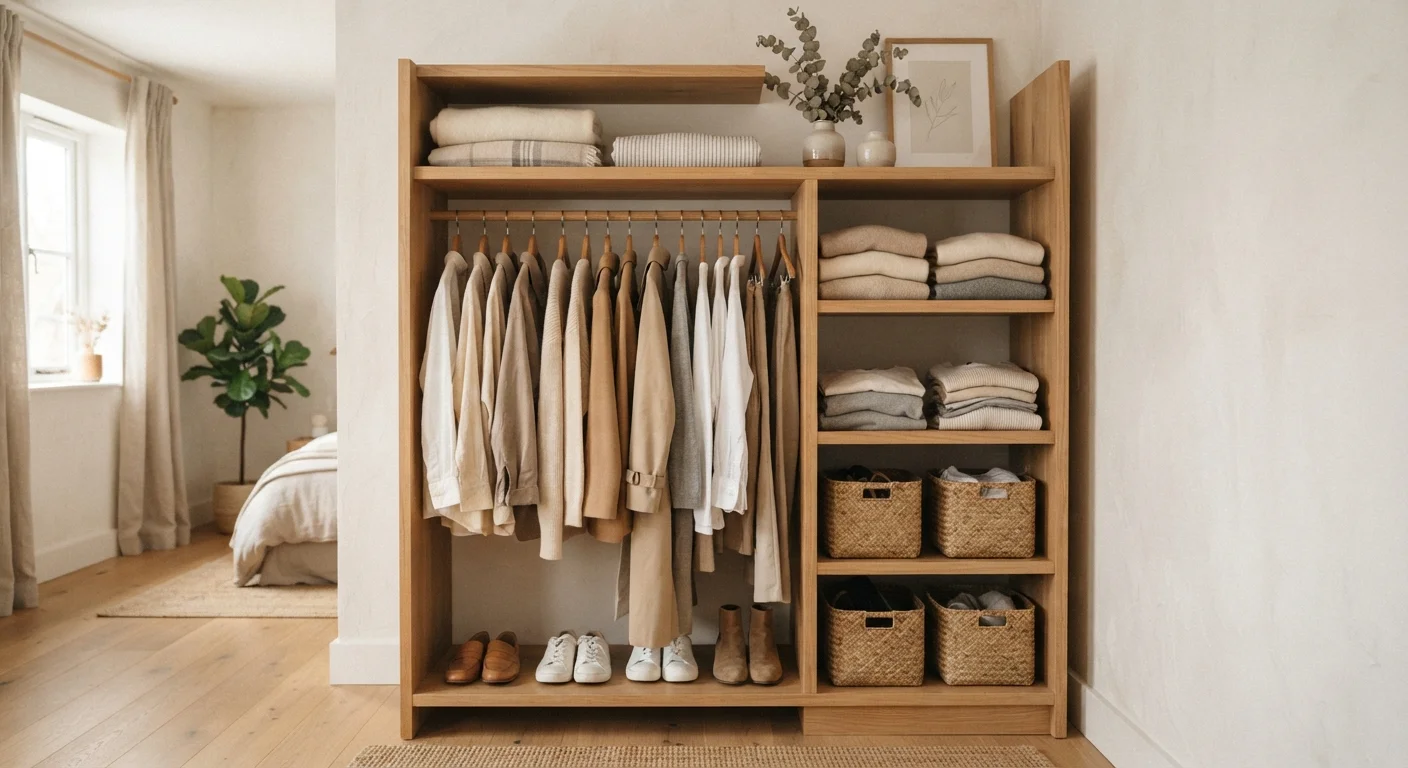
The capsule wardrobe idea has been around for decades, but it gained real traction when the fashion world started pushing back against the relentless churn of fast fashion. At its core, the concept is refreshingly simple: curate a small set of clothing pieces that fit well, suit your actual life, and combine easily with each other. Instead of buying more, you buy more deliberately.
If you're starting from scratch — or feel like your closet is full but you have nothing to wear — understanding the capsule philosophy is one of the most useful places to begin. Our article on building a wardrobe from scratch walks through the practical steps that follow once you understand the fundamentals.
“Style is a way to say who you are without having to speak. A thoughtful, edited wardrobe is the clearest expression of that idea — you choose what stays, and what stays tells a story.”
— Rachel Zoe, Fashion designer and stylist
The Core Principles Behind It
A capsule wardrobe isn't just a smaller closet — it's a differently organized one. Three principles drive the whole approach:
- Versatility first. Each piece should work with multiple others. A well-cut blazer that goes over a dress, with jeans, or to a meeting is worth three single-purpose items.
- Fit over fashion. Clothing that fits your body well looks polished regardless of trend cycle. Poor fit undermines even expensive pieces.
- Quality over quantity. Fabrics that hold their shape and construction that lasts mean you replace things less often. Our guide on how fabric choices shape the way clothes look and feel can help you recognize what to look for.
Start With What You Already Own
Before buying a single new thing, take stock of your current closet. You may already have most of your capsule foundation — it's just buried under pieces that don't serve you. Identifying what you love and actually wear is step one. Everything else builds from there.
Neutral colors — navy, white, camel, grey, black — form the backbone of most capsules because they naturally coordinate. A few accent pieces in colors or prints you love add personality without chaos.
Why It Actually Works
The practical benefits show up quickly. Fewer decisions in the morning, less time staring at a full-but-useless closet, and a clearer sense of your own style. Many people also find that thoughtful, less frequent purchasing is friendlier to their budget over time — even if individual pieces cost more upfront. That aligns closely with smarter shopping habits that prioritize value over impulse.
80%
Clothes worn only 20% of the time
The often-cited 80/20 rule of wardrobes suggests most people regularly wear only a fraction of what they own, underscoring why curation matters.
~33
Average capsule wardrobe size in pieces
Fashion minimalism communities commonly suggest 30–37 total items as a functional starting benchmark for a seasonal capsule wardrobe.
Beyond the practical, there's a quieter benefit: knowing what you have. When every piece has a purpose and earns its space, getting dressed becomes easier and more satisfying.
Building One That Actually Fits Your Life
Here's where a lot of capsule wardrobe advice goes sideways — it prescribes a universal list that fits a very specific lifestyle, usually someone who attends a lot of events and rarely sweats. Your capsule should be built around your week, not a style influencer's.
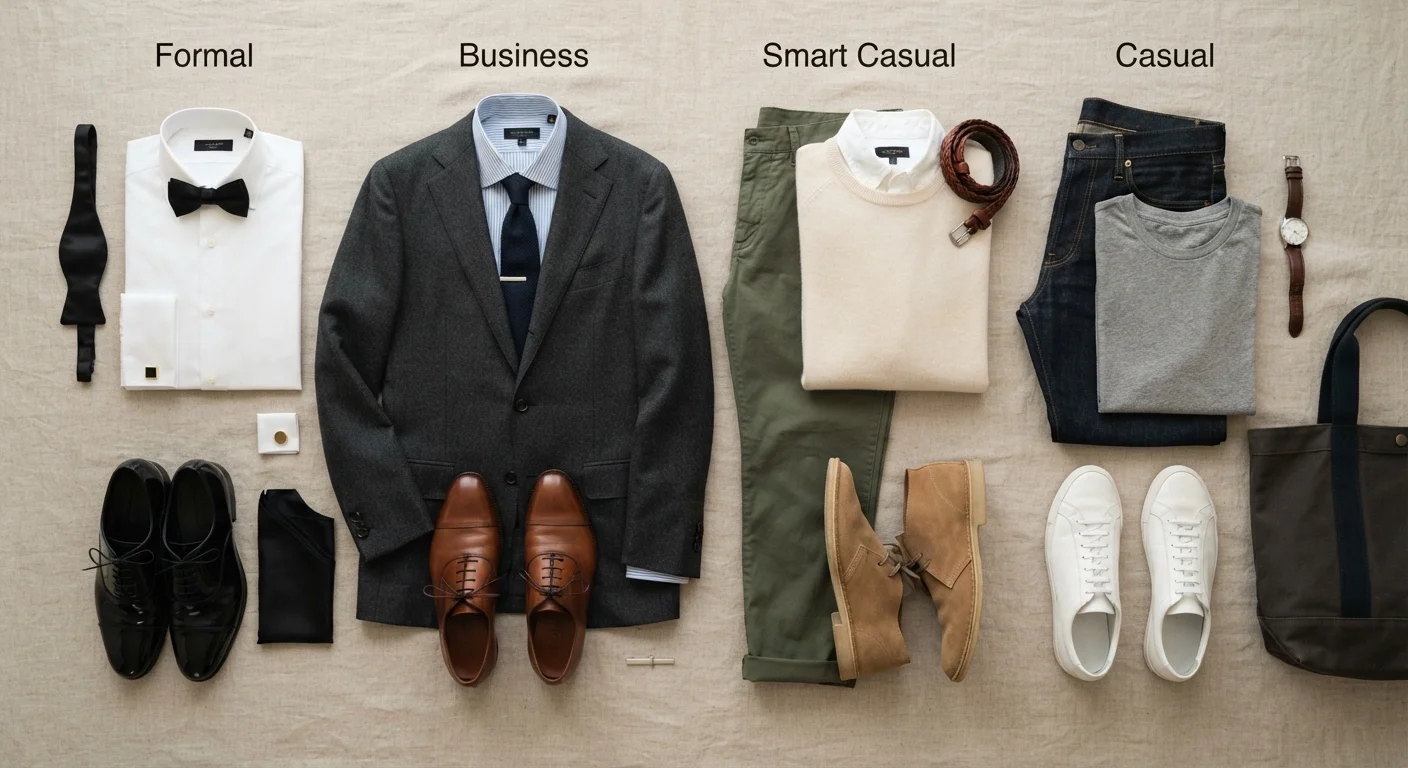
Start by mapping your actual activities over a typical two-week period. How many days are casual, professional, active, or social? That proportion should roughly mirror how your wardrobe is weighted. A teacher needs more than one pair of comfortable trousers; a nurse in scrubs needs only a few off-duty pieces to round out a functional wardrobe.
A Capsule Isn't Forever Fixed
Your capsule should evolve with your life. A new job, a move to a different climate, or a shift in lifestyle may call for a refresh. Think of it as a living system you revisit annually — not a rigid set of rules you commit to permanently. Seasonal swaps are normal and expected.
Once you have that map, identify the gaps and redundancies in what you already own — a structured wardrobe audit is the most efficient way to do this before adding anything new.