Why Early Lease Termination Is More Nuanced Than It Looks
A lease is a legally binding contract, and breaking one before the end date can expose a tenant to significant financial liability — typically the remaining rent balance, re-letting fees, and sometimes loss of the security deposit. But the situation is rarely all-or-nothing. Most states have tenant protections that limit how much a landlord can recover, and many leases contain their own negotiated exit provisions.
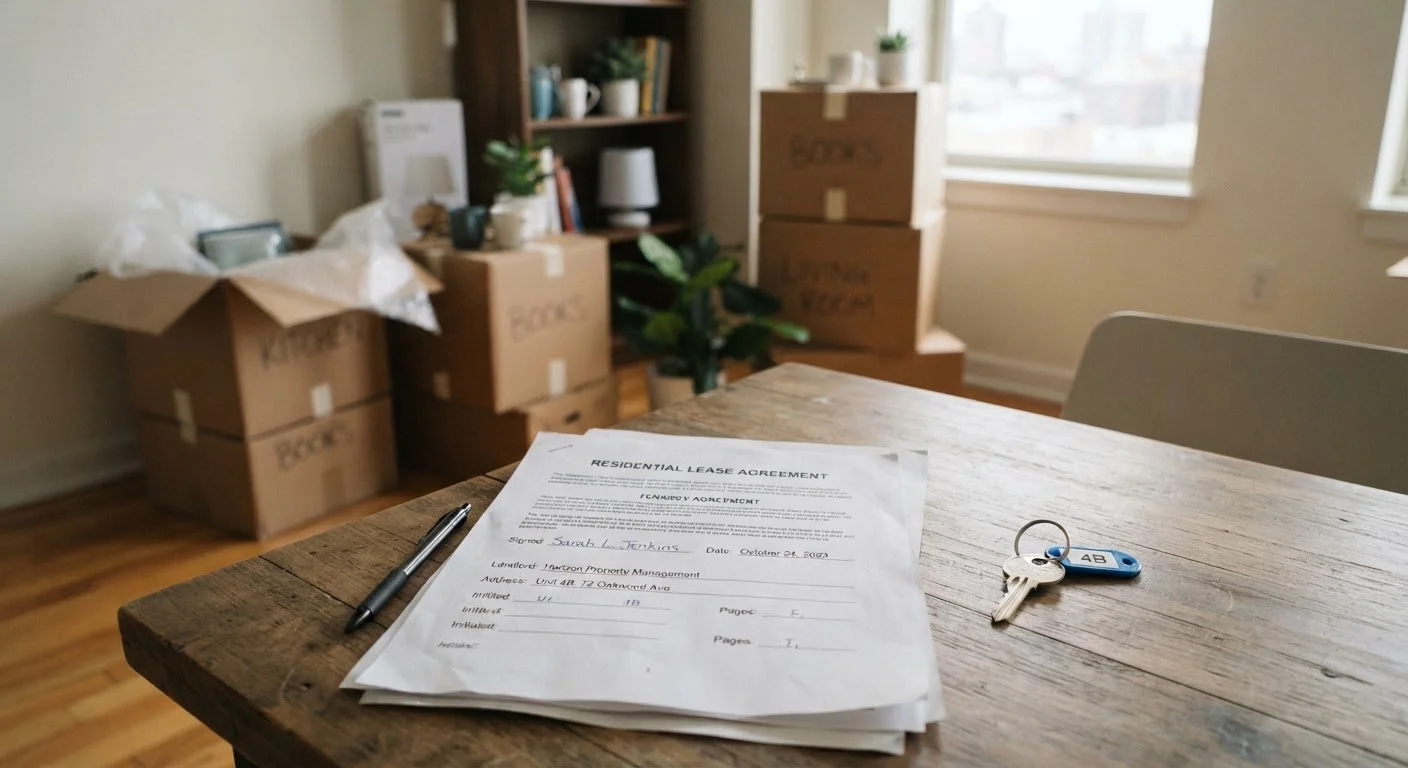
Before assuming the worst, start by carefully re-reading your lease. Look for an early termination clause — a section that spells out what fee or notice period applies if you choose to leave early. If you need help decoding the language, our guide to common lease clauses breaks down standard provisions in plain English.
Understanding your starting position — what your lease says, what your state law provides, and what your landlord's likely priorities are — gives you the clearest possible picture before you act.
What you will need
Recognized Legal Pathways for Early Exit
Depending on your circumstances, one or more of these established pathways may reduce or eliminate your liability:
- Habitability violations: If the landlord has failed to maintain a safe, livable unit — think persistent mold, broken heat in winter, or structural hazards — most states allow tenants to terminate without penalty after providing written notice and allowing a repair window. See our article on maintenance responsibilities in a rental for guidance on what qualifies.
- Active military duty: The federal Servicemembers Civil Relief Act (SCRA) allows active-duty military members to break a lease without penalty when deployment or a permanent change of station requires relocation.
- Domestic violence protections: Many states give survivors of domestic violence the right to terminate a lease early with documentation, typically with limited or no financial penalty.
- Landlord's own breach: Unauthorized entry, harassment, or failure to honor lease terms can constitute a breach — potentially releasing the tenant from their obligations, depending on state law.
- Negotiated mutual termination: In many cases, landlords will agree to an early exit in exchange for a flat fee or a defined notice period, especially if the rental market is strong and they expect to re-lease quickly.
State Law Varies Widely — Verify Before Acting
The protections described here represent common patterns across U.S. states, but they are not universal. Some states require specific notice language, documentation formats, or cure periods before a tenant can invoke a habitability-based termination. Acting on a general assumption without verifying your state's rules could undermine an otherwise valid claim. Consult your state's official tenant rights resources or a licensed attorney before sending any formal notice.
Step-by-Step: How to Break a Lease With Minimal Damage
Regardless of the pathway you qualify for, a deliberate, documented approach protects both your finances and your rental history.
Review Your Lease and Identify the Early Termination Terms
Locate the early termination clause — typically found under sections labeled "Termination," "Early Release," or "Break Clause." Note any required notice period (commonly 30–60 days) and any stated fee, such as two months' rent.
Determine Whether a Legal Exemption Applies
Cross-reference your situation against the recognized legal pathways described above. If you believe a habitability violation or SCRA protection applies, gather supporting documentation now — photographs, repair request records, military orders, or official notices.
Notify Your Landlord in Writing
Send a written notice — email with a read receipt, or certified mail — stating your intended move-out date and the reason for early termination. Reference the relevant lease clause or legal provision. Written notice creates a timestamp and a paper trail.
Propose or Agree to a Mitigation Plan
Offer to help the landlord re-lease the unit — for example, by allowing showings during your remaining tenancy or by sourcing a qualified replacement tenant yourself (subject to landlord approval). This goodwill gesture demonstrates good faith and can reduce the financial penalty substantially.
Get Any Agreement in Writing and Keep Copies
If you and your landlord reach a mutual termination agreement, request a written document signed by both parties specifying the termination date, any fees owed, and the status of your security deposit. Store copies in a secure location.
This article provides general information about lease termination and is not legal advice. Lease law varies significantly by state and locality. Consult a licensed attorney or tenant advocacy organization for guidance specific to your situation.
What Happens If You Simply Walk Away
Abandoning a rental without notice or agreement leaves you exposed to the full remaining balance of the lease, though most states cap actual recovery by requiring landlords to mitigate damages — meaning they must make a reasonable effort to find a new tenant rather than collecting idle rent from you indefinitely.
Even with mitigation rules in place, a landlord who successfully sues in small claims court can obtain a judgment that damages your credit score, affects future rental applications, and may even result in wage garnishment in some states. This is why the negotiated or documented-notice approach is nearly always preferable to simply leaving.
If your current fixed-term lease feels financially risky, it may be worth knowing that month-to-month leases offer significantly more exit flexibility — a useful consideration before signing your next agreement.
Protect Your Rental History
A landlord who feels blindsided is more likely to report a negative rental history to screening agencies. Even when you have a legitimate reason to leave early, maintaining professional communication throughout the process significantly reduces the chance of a lasting mark on your rental record. Future landlords will often call your previous landlord directly before approving an application.