The Legal Foundation: Habitability Is Non-Negotiable
Every residential lease exists within a legal framework, and one of its most fundamental requirements is the implied warranty of habitability — a legal standard recognized in nearly every U.S. state. This means landlords must keep the rental unit safe and livable, regardless of what the lease document says. No clause can strip a tenant of this protection.
Conditions that typically fall under a landlord's legal obligation include:
- Functioning plumbing and hot water
- Adequate heating and cooling systems (where climate demands it)
- Weatherproofing — roofs, windows, and exterior doors in good repair
- Electrical systems that meet safety codes
- Freedom from vermin infestations and hazardous materials like lead paint or mold
- Structural soundness of floors, walls, and ceilings
If a landlord fails to address conditions that breach habitability, tenants may have legal remedies — including rent withholding, repair-and-deduct (in states that allow it), or lease termination. See our guide on landlord legal boundaries for a fuller picture of what landlords can and cannot do.
State and Local Laws Can Vary Significantly
Habitability standards, repair timelines, and tenant remedies differ meaningfully from state to state — and sometimes city to city. California, New York, and several other states have stronger tenant protections than the baseline implied warranty. Always check the specific rules in your jurisdiction, and consider consulting a local tenant rights organization or attorney if a dispute arises.
What Tenants Are Responsible For
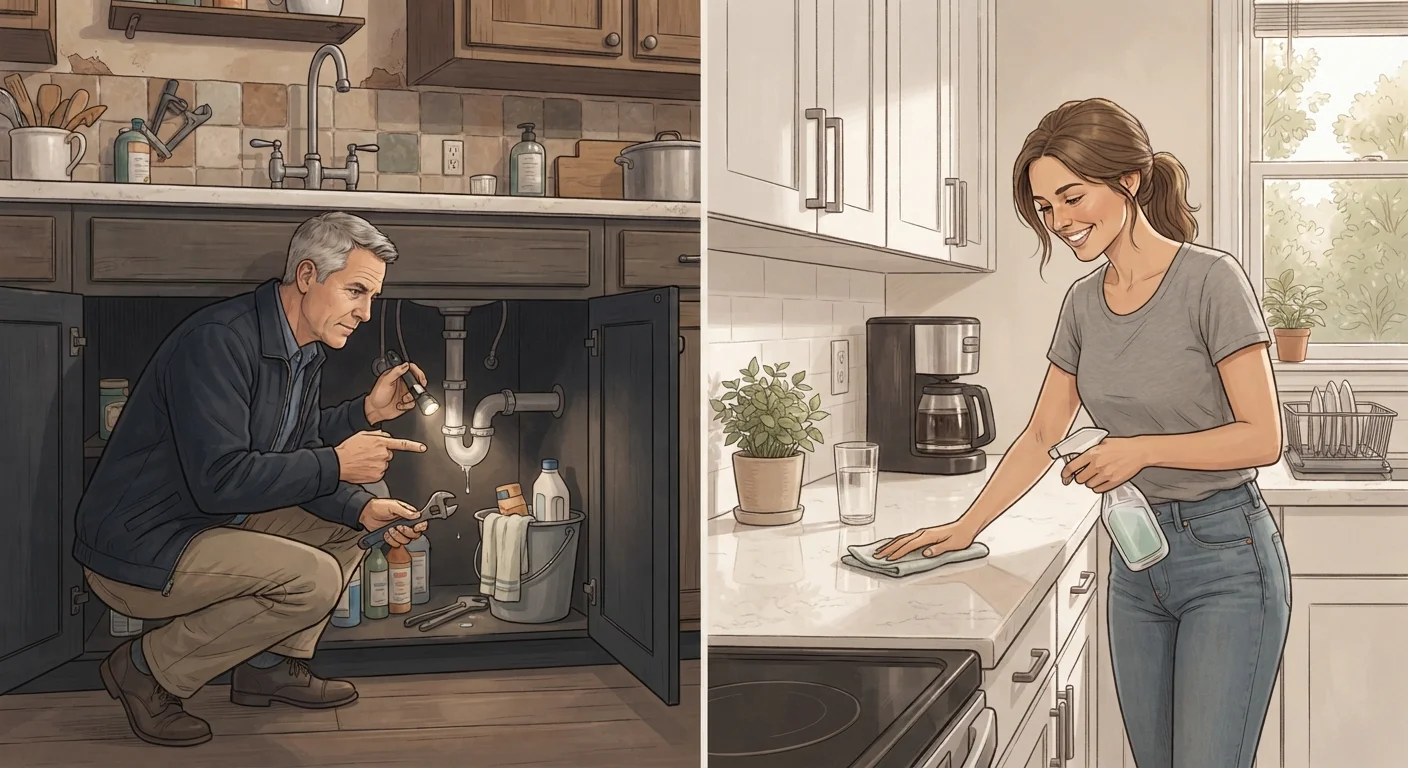
Tenants aren't passive participants in property upkeep. Standard lease law and most rental agreements assign tenants a clear set of responsibilities centered on care, cleanliness, and accountability for damage.
Keep the unit reasonably clean and sanitary at all times
Unsanitary conditions can lead to pest infestations, mold growth, and property damage — issues that may be attributed to the tenant at move-out. Most leases and state laws require tenants to maintain a basic standard of cleanliness.
Report maintenance issues to the landlord promptly and in writing
Delaying a repair report — especially for water leaks or HVAC problems — can turn a minor fix into major structural damage. Tenants who fail to report known issues in a timely manner can be held partially liable for the resulting damage.
Avoid unauthorized alterations or repairs
Attempting to fix plumbing, electrical, or structural issues without landlord approval — or without proper licensing — can create safety hazards and void the lease. It may also create liability if the amateur repair causes further damage.
Replace minor consumables as a routine part of tenancy
Items like light bulbs, smoke detector batteries, and HVAC filters are generally considered tenant responsibilities in most standard leases. Neglecting these small items can contribute to larger maintenance failures and lease disputes.
When a tenant causes damage beyond normal wear and tear — a broken window from a slammed door, a clogged drain from improper disposal — repair costs typically fall on the tenant, either deducted from the security deposit at move-out or billed directly. Understanding this distinction matters because it affects how disputes over security deposits are resolved. Our complete renting and leasing guide walks through the full lifecycle of a rental relationship.
Best Practices for Reporting and Resolving Repairs
Whether you're a tenant requesting a repair or a landlord receiving one, how you handle the communication matters as much as the fix itself. A paper trail protects both sides if a dispute escalates.
Landlords should respond to repair requests within the timeframe required by their state — many states set a specific deadline (commonly 14 to 30 days for non-emergency repairs, much faster for habitability emergencies). Tenants who don't receive timely responses should follow up in writing and, if necessary, consult local tenant rights resources or legal aid. For a broader view of how lease terms affect your options, see what common lease clauses actually mean.
~49%
Renters who report maintenance issues to their landlord
According to Harvard's Joint Center for Housing Studies research, roughly half of renters report experiencing a significant maintenance problem during their tenancy.
14–30 days
Typical landlord repair response window (non-emergency)
Most states set a statutory deadline for landlords to address non-emergency repair requests, commonly ranging from 14 to 30 days depending on jurisdiction.
When Lease Terms Shift the Default Rules
Lease agreements can reassign certain maintenance duties — within legal limits. For example, a landlord may write into the lease that the tenant is responsible for lawn care, snow removal, or replacing HVAC filters. These kinds of shifts are generally enforceable as long as they don't undermine the habitability standard.
What landlords cannot do is use a lease clause to avoid their core obligations. A clause stating "tenant accepts unit as-is and waives all repair claims" is generally unenforceable in U.S. courts when it conflicts with habitability law. Before signing any lease, read maintenance-related clauses carefully. Our article on decoding lease agreements breaks down how to interpret these provisions.
Both parties benefit when expectations are explicit from day one. Landlords should consider providing a written move-in checklist; tenants should document the condition of the unit with dated photos at move-in and move-out.
This article provides general information about landlord-tenant maintenance responsibilities and is not legal advice. Laws vary by state and locality. Consult a licensed attorney or local tenant rights organization for guidance specific to your situation.