Why Simultaneous Buy-Sell Timing Is So Difficult
Most homeowners don't have the luxury of selling their current property and buying a new one as two completely separate events. The equity locked in your existing home is often the primary down payment source for your next purchase — which means the two transactions are financially entangled from the start.
Compounding that, each transaction runs on its own timeline: inspections, appraisals, loan underwriting, and closing schedules rarely align neatly. A delay on either side can ripple into the other deal, potentially costing you a home you wanted or forcing a rushed sale at a lower price.
Understanding the core strategic options — and when each one makes sense — is the first step toward navigating this successfully. See our breakdown of common real estate misconceptions that can cloud this kind of decision-making.
| Sell First | Buy First | Simultaneous Closing | |
|---|---|---|---|
| Financial Risk | Low — no dual mortgage exposure | High — may carry two mortgages | Medium — dependent on coordination |
| Housing Gap | Likely — need temporary housing | None — move directly | None if timed correctly |
| Negotiating Strength (Buy Side) | Strong — non-contingent offer | Strong — cash or committed buyer | Moderate — contingency risk |
| Works Best In | Buyer's or balanced market | Seller's market | Balanced market |
| Complexity | Low | Medium | High |
| Bridge Loan Needed | No | Often yes | Sometimes |
Selling First: Lower Risk, Temporary Displacement
Selling your current home before purchasing a new one eliminates the risk of carrying two mortgages at once. You'll know exactly how much equity you're working with, which simplifies your buying budget and mortgage qualification.
The main drawback is the gap between closing and finding your next home. Options for bridging that gap include negotiating a rent-back agreement — where you pay the buyer rent to stay in your sold home for 30 to 90 days after closing — or moving into temporary housing such as an apartment or extended-stay accommodation.
Negotiate a Rent-Back Agreement
When you sell first, ask your buyer to include a rent-back provision in the purchase contract. This allows you to remain in your home — paying rent to the new owner — for a set period after closing, typically 30 to 60 days. It buys valuable time to find and close on your next property without the pressure of a hard move-out deadline.
In a slower buyer's market, selling first is often the strategically sound move. Inventory tends to be more plentiful, giving you time to find the right home without as much competitive pressure. Learn more about how pricing strategy affects your sale timeline.
Buying First: Certainty on the Next Home, Higher Financial Exposure
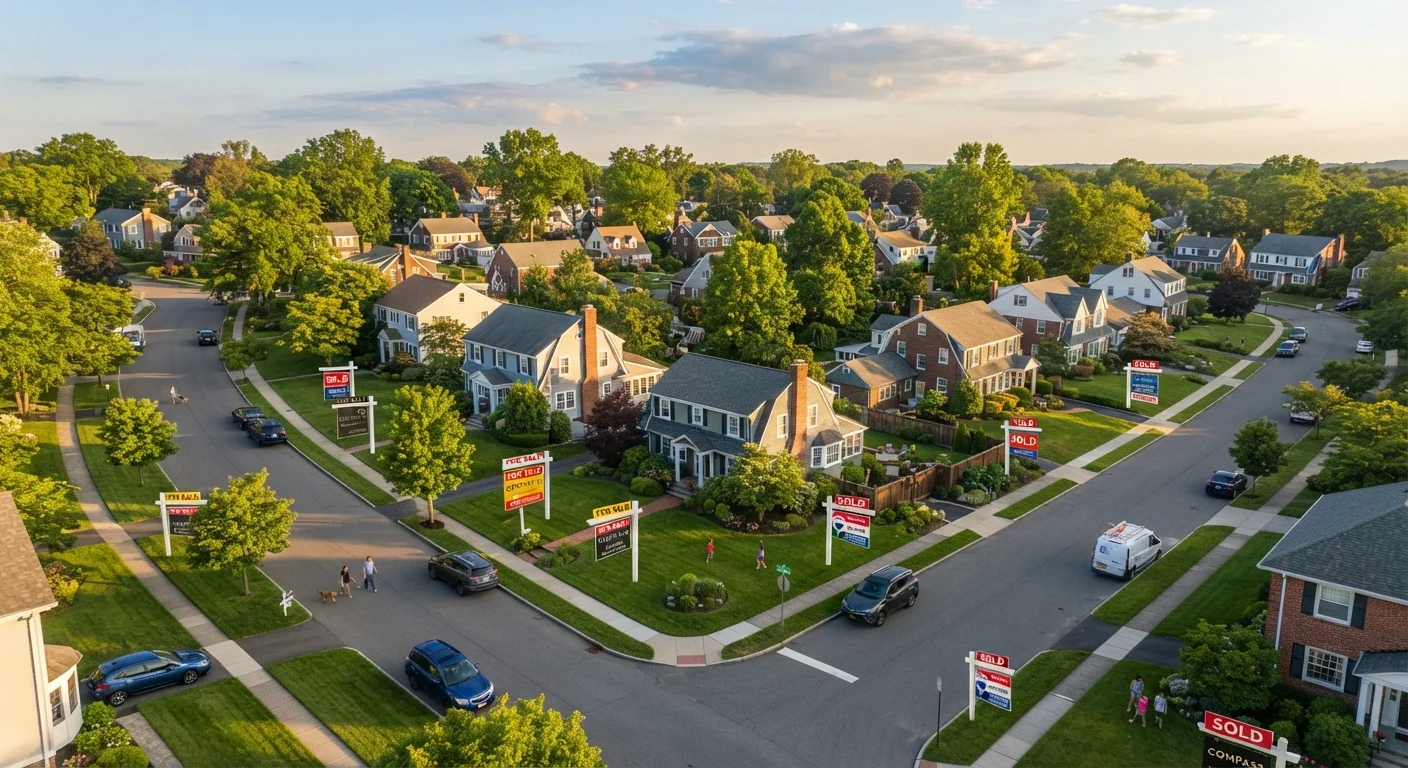
In a hot seller's market, desirable homes receive multiple offers quickly. Waiting until your current home sells before making an offer can mean losing out repeatedly. Buying first secures your next home, but it introduces the risk of owning two properties — and paying two mortgages — until your current home sells.
To fund the purchase before your sale closes, some buyers use a bridge loan: a short-term financing tool secured against the equity in your existing home. Bridge loans typically carry higher interest rates and fees than standard mortgages, and they require strong creditworthiness and sufficient equity. They are not suitable for everyone, and a qualified lender can help you assess eligibility.
Bridge Loans Carry Real Costs and Risks
Bridge loans can provide short-term liquidity, but they typically come with interest rates above standard mortgage rates, origination fees, and short repayment windows — often six to twelve months. If your existing home takes longer than expected to sell, you could face significant financial strain. Evaluate this option carefully with a licensed lender before committing.
Another tool is the home sale contingency, which conditions your purchase offer on the successful sale of your current home. Sellers in competitive markets may reject contingent offers, so this works best when you have negotiating leverage or when a seller is willing to accept a longer closing window.
The Simultaneous Closing Option
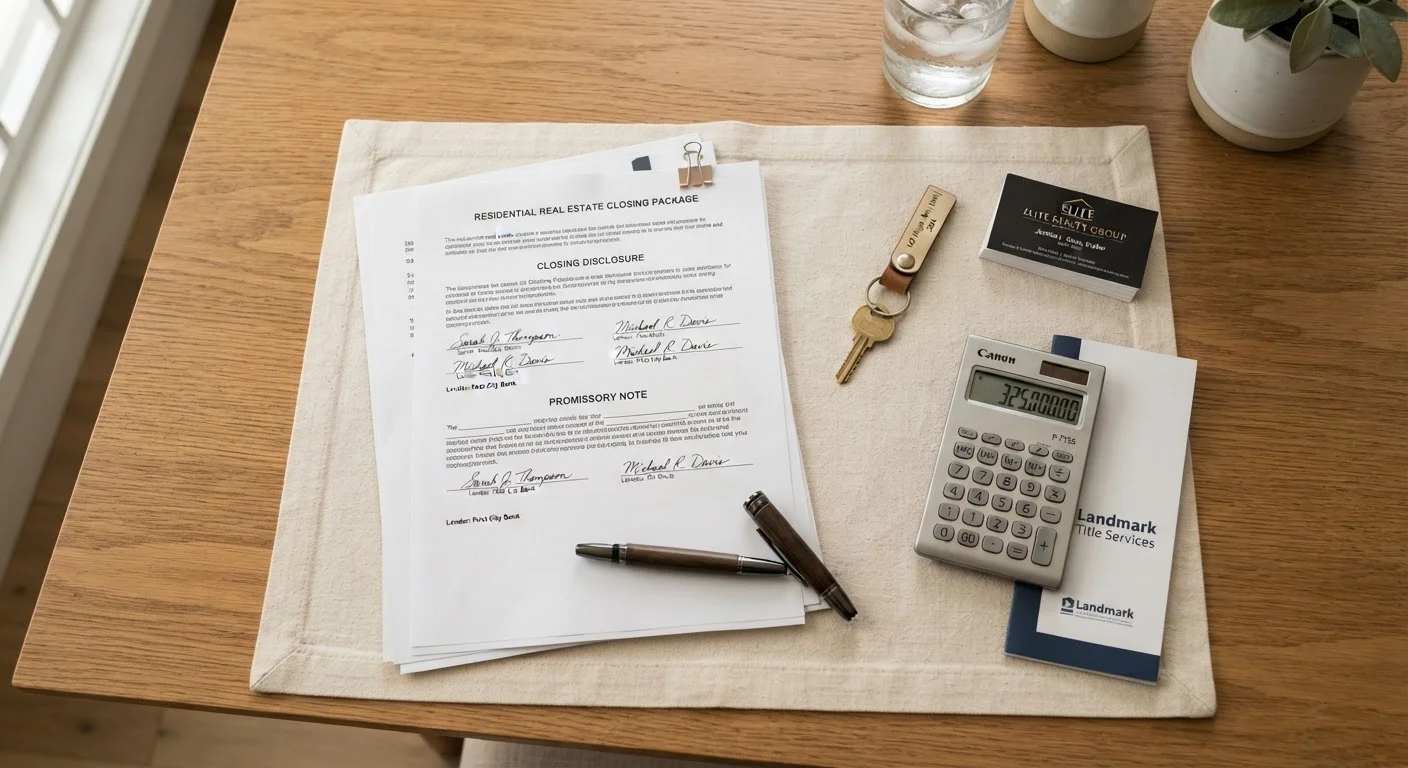
A simultaneous or back-to-back closing aims to close both transactions on the same day or within days of each other, using the proceeds from your sale to fund your purchase in one coordinated sequence. When it works, it eliminates the gap entirely.
Executing this requires close coordination between your real estate agents, both sets of attorneys, and both lenders. Any last-minute delay — a funding issue, a title problem, a walkthrough dispute — can collapse the entire sequence. Experienced closing attorneys and title companies have managed these situations before and can help build contingency plans into the process.
For a fuller picture of what the selling side of this equation involves, our step-by-step home-selling walkthrough covers the process from listing to closing.
How Market Conditions Should Shape Your Strategy
Your local market's balance of supply and demand is one of the most important factors in deciding your sequence.
- Seller's market (low inventory, high demand): Homes sell quickly and often above asking price. Selling first is easy; finding your next home fast enough is the challenge. Buying first or negotiating a rent-back may be necessary.
- Buyer's market (high inventory, softer demand): You have more time to shop for a new home, but your sale may take longer. Selling first with temporary housing is more manageable here.
- Balanced market: Both strategies are viable. Contingency clauses are more likely to be accepted by sellers, making a coordinated simultaneous close more achievable.
Work with a local agent who tracks current absorption rates — the pace at which available homes are being sold — as this data directly informs how long your sale and search are likely to take. Also consider whether selling without an agent is a realistic option given your timeline constraints.
This article is for general informational purposes only and does not constitute financial, legal, or real estate advice. Consult a licensed real estate professional, attorney, or financial adviser for guidance specific to your circumstances.