
Why Pre-Listing Preparation Matters
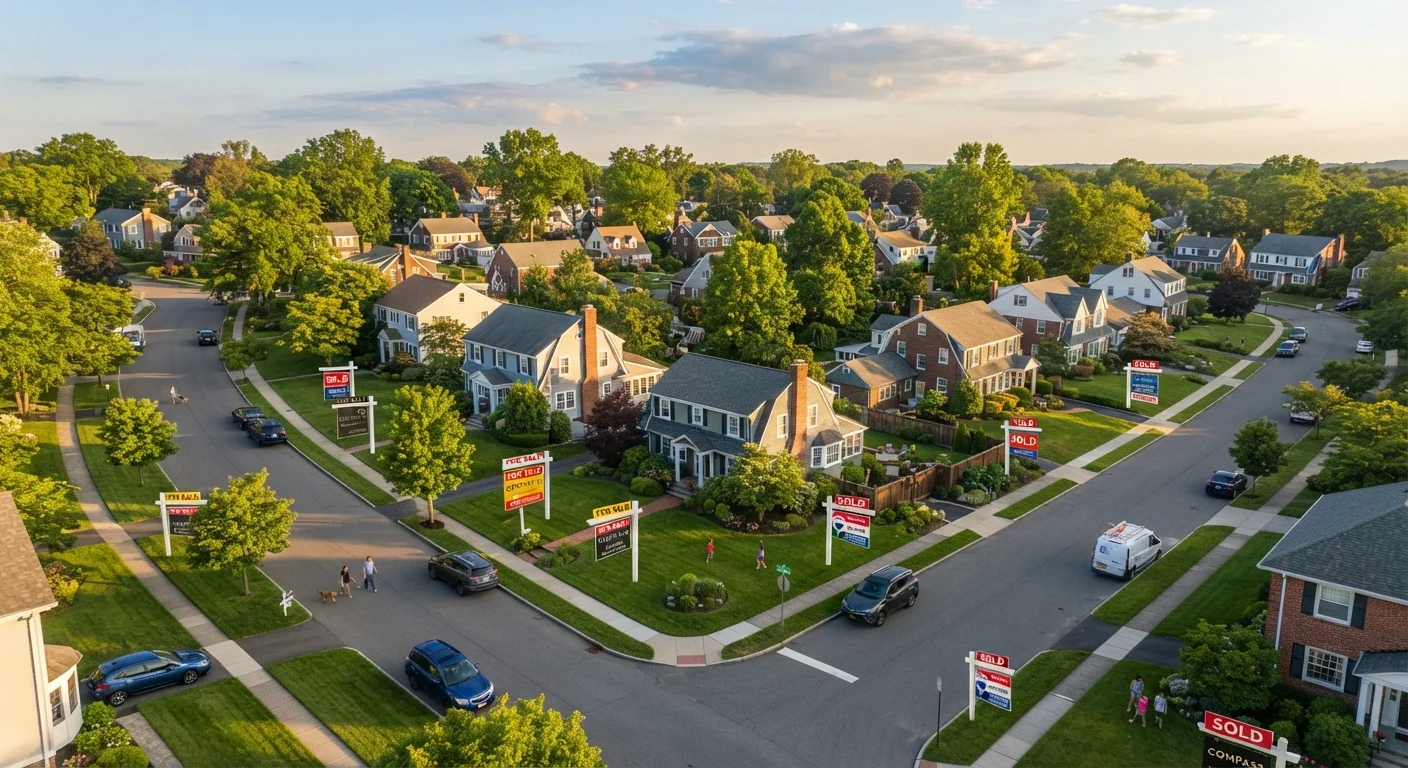
Listing a home is more than putting a sign in the yard. Buyers today arrive with data — comparable sales pulled from listing platforms, inspection contingencies ready to go, and agents trained to spot deferred maintenance. A home that hits the market unprepared invites lower offers, extended time on market, and the very real risk of a deal collapsing under scrutiny.
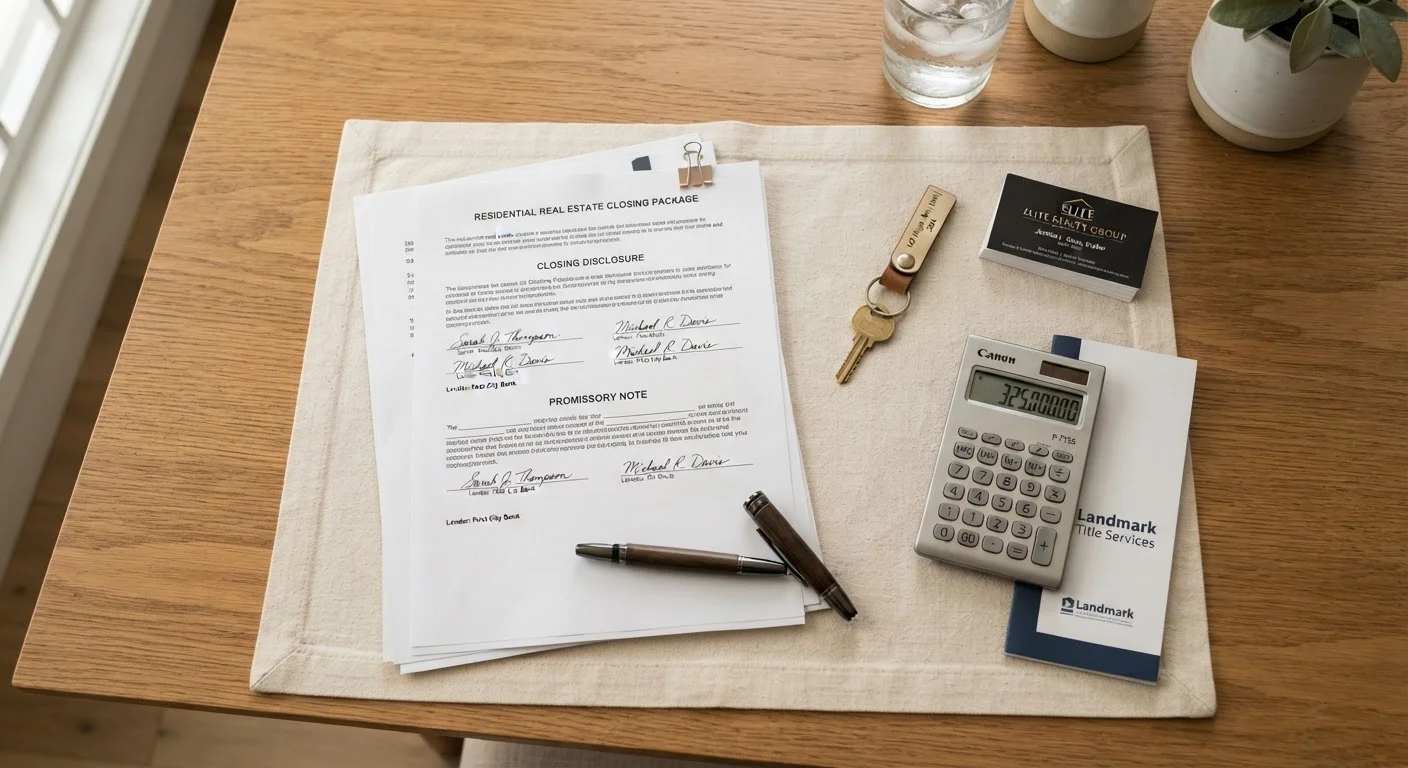
This checklist walks through every major preparation category: physical condition, legal disclosures, presentation, and paperwork. Whether you're a first-time seller or have done this before, working through these steps systematically reduces surprises and puts you in a stronger negotiating position. For a buyer-side perspective on what happens once offers are exchanged, see our home buying process guide.
Licensed Real Estate Agent
Guides pricing strategy, manages showings and offers, and handles negotiation on your behalf.
Real Estate Attorney
Reviews contracts, title issues, and disclosure documents; required by law in some states.
Pre-Listing Home Inspector
Identifies condition issues before buyers discover them, giving you time to repair or price accordingly.
Professional Photographer
Produces listing photos that accurately and attractively represent the property across digital platforms.
Professional Staging Consultant
Arranges furniture and decor to maximize a home's visual appeal for in-person showings and photography.
What You'll Need to Work Through This Checklist
Before diving into the groups below, gather your tools and resources. Having the right professionals engaged early — particularly a licensed real estate agent and a real estate attorney where applicable — prevents scrambling later. Keep in mind that selling without an agent is an option, but it carries real responsibilities; our FSBO overview lays out what that path actually entails.
Physical Condition & Repairs
Curb Appeal & Exterior
Cleaning & Staging
Disclosures & Legal Documents
Pricing & Agent Strategy
Disclosure Omissions Can Create Legal Liability
Seller disclosure requirements vary significantly by state, but knowingly failing to disclose material defects — roof leaks, foundation issues, past flooding, mold — can expose you to legal action after closing. When in doubt, disclose. Review your state's specific requirements with a licensed real estate attorney before completing any disclosure forms.
Don't Overlook the Post-Offer Stage
Even a thorough pre-listing process won't eliminate all risk. A signed contract is not a finished sale. Financing issues, appraisal gaps, and inspection findings are among the most common reasons transactions fall apart. Understanding what derails home sales after an offer is accepted helps you stay prepared through closing. Similarly, buyers will be protected by contingencies — our contingency guide explains what each one covers and why sellers should understand them too.
Inspection Findings Can Still Unravel a Deal
Even if you complete repairs before listing, buyers typically conduct their own inspection after an offer is accepted. Familiarize yourself with what inspectors look for and how findings are handled so you're prepared to respond — whether that means negotiating credits, making additional repairs, or holding firm on your price.
This article provides general educational information about home selling preparation. It is not legal, financial, or professional real estate advice. Requirements and practices vary by state and locality. Consult a licensed real estate agent, attorney, or other qualified professional before making decisions specific to your situation.