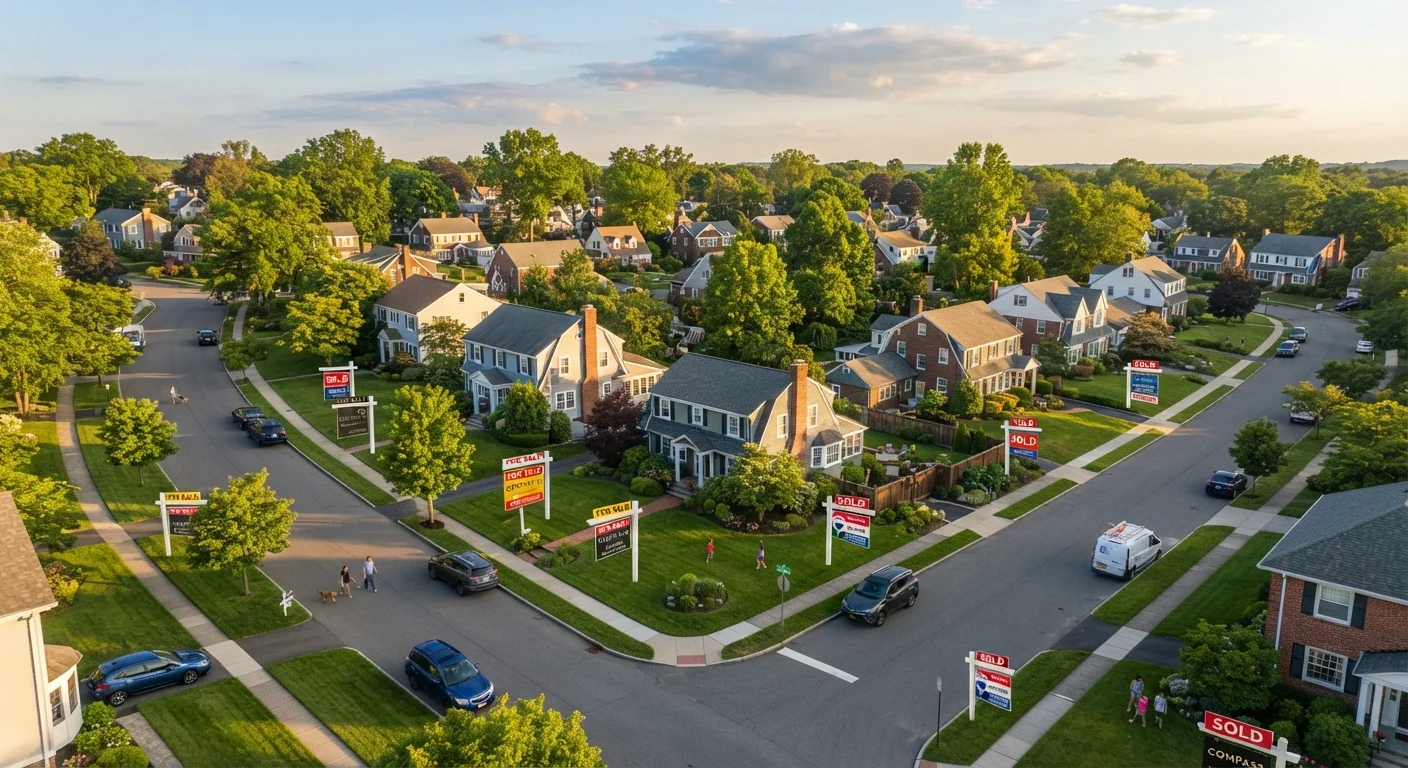

Making Your Offer: The Starting Line
Once you've found a home you want to buy, your agent will help you draft a purchase offer — a formal written proposal that includes your offered price, preferred closing date, and any contingencies (conditions that must be met for the sale to proceed). Common contingencies include a satisfactory home inspection and securing mortgage financing.
Along with the offer, you'll submit earnest money — a deposit held in escrow that signals your commitment. If the seller accepts, you have a binding contract. If they counter, negotiation begins. Once both parties agree on all terms and sign, the purchase and sale agreement is executed, and the clock starts on every subsequent deadline.
If you haven't yet secured financing, this is the moment to act quickly. See our full mortgage timeline guide for a step-by-step look at what your lender will need from offer through closing. New to the process entirely? Our first-time homebuyer's roadmap covers the foundation before you reach the offer stage.
Inspection, Appraisal, and Title Search
After the offer is accepted, three parallel processes begin that protect both buyer and lender.
Home Inspection
A licensed home inspector examines the property's physical condition — roof, foundation, HVAC, plumbing, and electrical systems. You'll receive a written report detailing findings. Based on that report, you can request repairs, ask for a price reduction, or in some cases walk away if major defects are found, assuming your contract includes an inspection contingency.
Appraisal
Your lender orders an appraisal from an independent licensed appraiser to confirm the home's fair market value. If the home appraises below your agreed purchase price, the lender will not finance the full amount — giving you grounds to renegotiate or exit (if your contract has an appraisal contingency).
Title Search
A title company reviews public records to confirm the seller legally owns the property and that there are no outstanding liens, unpaid taxes, or legal disputes attached to it. Title insurance is typically purchased at closing to protect against any title defects discovered later.
30–60 days
Typical time from accepted offer to closing
According to the National Association of Realtors, most purchase transactions close within this window, with cash deals often faster.
2–5%
Closing costs as a share of loan amount
The Consumer Financial Protection Bureau notes that closing costs generally range from 2% to 5% of the loan amount, varying by location and loan type.
81%
Buyers who used a real estate agent
The National Association of Realtors' Profile of Home Buyers and Sellers consistently finds the large majority of buyers work with a licensed agent.
Mortgage Underwriting: The Lender's Final Review
Even with a pre-approval letter in hand, your loan is not guaranteed until the lender's underwriting team completes its full review. Underwriters verify your income, assets, employment, credit history, and debt-to-income ratio against the specific property being purchased. They may issue a conditional approval — meaning they need additional documentation before issuing a clear-to-close.
This stage is often the most stressful part of the process. Avoid making major financial changes during underwriting: do not open new credit accounts, change jobs, or make large purchases, as these can affect your loan eligibility.
Keep Your Finances Stable During Underwriting
The period between offer acceptance and closing is not the time to finance a car, open new credit cards, or switch employers. Lenders re-verify your financial profile close to closing, and significant changes can jeopardize your loan approval. Hold off on major financial decisions until after you have your keys.
For a deeper look at how mortgage financing fits into this timeline, the Home Loans & Mortgages hub provides clear explanations of loan types and what lenders evaluate.
Closing Day: What to Expect
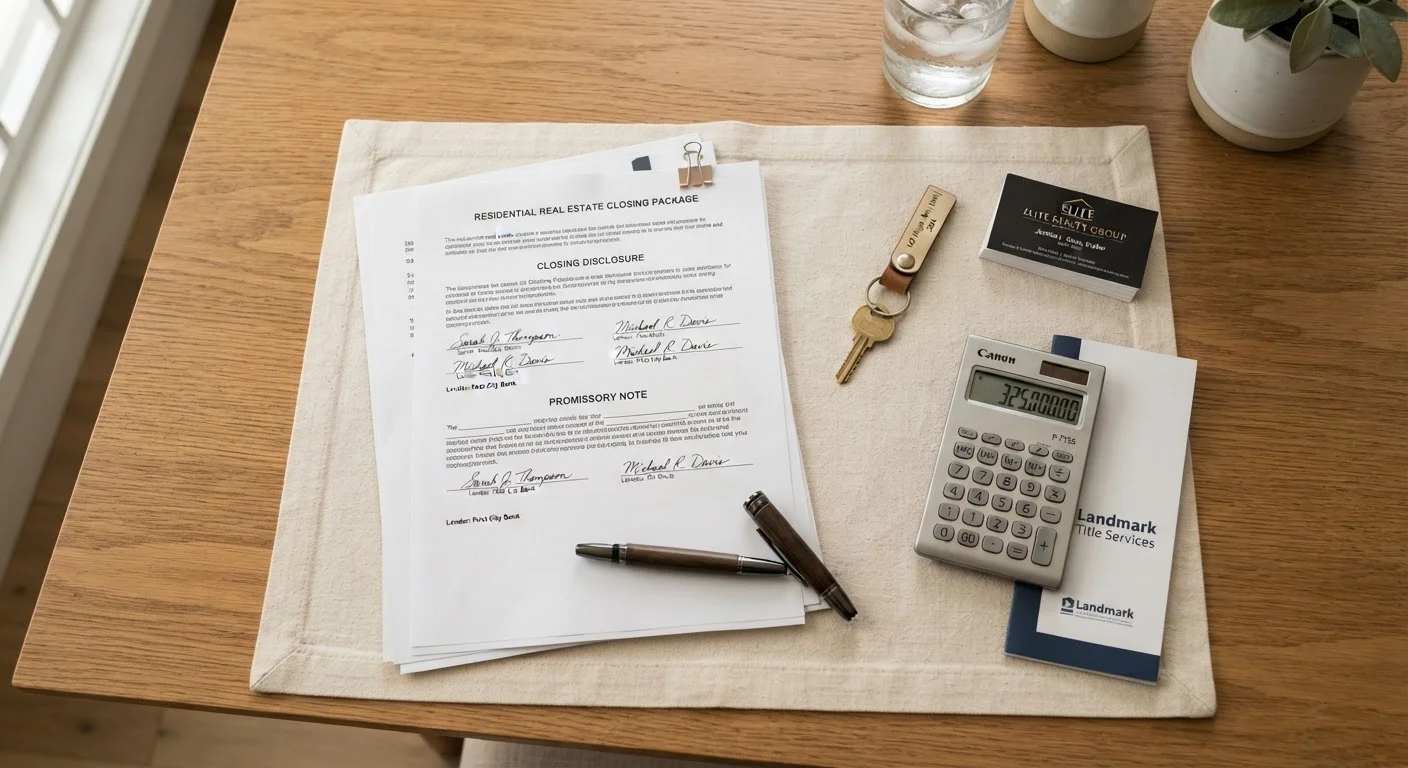
Once you receive a clear-to-close from your lender, a closing date is scheduled — typically at a title company, escrow office, or attorney's office depending on your state. Before closing, you'll receive a Closing Disclosure, a document your lender is legally required to provide at least three business days in advance, detailing your final loan terms, interest rate, monthly payment, and all closing costs.
On closing day, you'll sign a significant stack of documents — the mortgage note, deed of trust, and various disclosures. You'll also pay your closing costs (typically 2–5% of the loan amount) and your down payment, usually via wire transfer or certified funds. For a detailed breakdown of what those costs include and who pays what, see our guide to closing costs for buyers and sellers.
Once all documents are signed and funds are transferred, the deed is recorded with the local government — and you receive the keys. You are now a homeowner.
This article is for informational and educational purposes only and does not constitute financial, legal, or real estate advice. Consult a licensed real estate professional, attorney, or financial adviser for guidance specific to your situation.