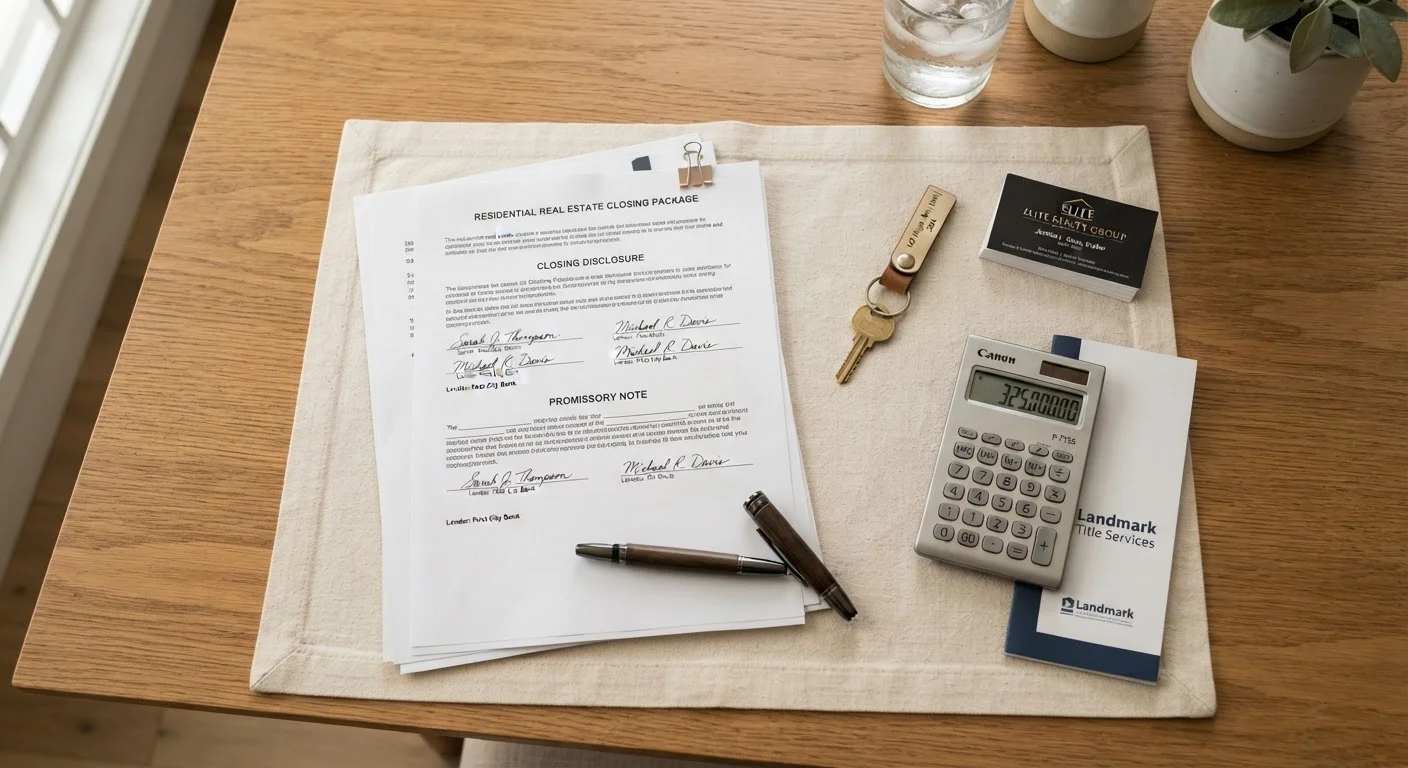

What the Mortgage Timeline Actually Looks Like
From the day you receive a pre-approval letter to the moment you sign at the closing table, the typical mortgage process takes 30 to 60 days — though complex transactions, high loan volumes at lenders, or missing documentation can push timelines longer. Understanding what happens at each stage removes the anxiety that causes many first-time buyers to feel blindsided.
The process moves through several distinct phases: pre-approval, formal application, appraisal, underwriting, and finally closing. Each phase has its own requirements, decision points, and potential delays. Knowing what to expect — and what's expected of you — keeps things moving.
What you will need
If you're still sorting out the language lenders use, our home loan terminology guide is a useful reference to have open alongside this article. And if you've heard things like "you need 20% down to buy a home," our piece on mortgage myths that trip up first-time buyers separates fact from fiction before you start.
Step-by-Step: The Full Mortgage Process
The steps below follow the sequence most buyers experience from first lender contact through closing day. While every transaction has its own nuances, this framework applies to the majority of conventional and government-backed home purchase loans in the U.S.
Loan Estimate form
A standardized three-page document lenders are required to provide within three business days of your application, outlining loan terms, projected payments, and estimated closing costs.
Closing Disclosure
The final document provided at least three business days before closing that confirms all actual loan terms, fees, and costs — compare it carefully against your Loan Estimate.
Homeowners insurance policy
Required by lenders before closing; you'll need to arrange coverage and provide proof to your lender during the underwriting phase.
Certified or wire funds
Closing costs and down payment funds must typically arrive as a certified check or wire transfer — personal checks are rarely accepted at the closing table.
Get Pre-Approved by a Lender
Pre-approval is the formal starting point of the mortgage process. A lender reviews your credit report, income, assets, and debt to issue a conditional commitment for a specific loan amount. This differs meaningfully from pre-qualification, which is an informal estimate. For a deeper look at why that distinction matters, see pre-qualification vs. pre-approval.
Pre-approval typically takes one to three business days and results in a pre-approval letter you can present with purchase offers. It is not a final loan commitment — it's a strong signal of your borrowing capacity.
Make an Offer and Sign a Purchase Agreement
Once your offer is accepted, you'll sign a purchase agreement that sets the sale price, contingencies (including a financing contingency), and a target closing date. This signed contract triggers the formal loan application process. Your real estate agent or attorney will guide the contract terms, but your lender needs a copy promptly.
The purchase agreement also starts the clock on any contingency deadlines, including the appraisal and inspection periods.
Submit Your Full Mortgage Application
Your lender will collect a complete application — often called a Uniform Residential Loan Application (Form 1003) — along with your full documentation package: tax returns, pay stubs, bank statements, and identification. Within three business days, you'll receive a Loan Estimate outlining your projected rate, monthly payment, and estimated closing costs.
Review this document carefully. For a plain-English explanation of the terms you'll encounter, consult our home loan terminology guide.
Complete the Home Appraisal
Your lender will order an independent appraisal of the property, typically within the first week or two after application. An appraiser visits the home and estimates its fair market value based on comparable sales and property condition. The lender will not approve a loan larger than the appraised value.
If the appraisal comes in lower than the purchase price, you'll need to renegotiate with the seller, cover the gap in cash, or exercise your financing contingency to exit the contract.
Move Through Underwriting
Underwriting is the most intensive phase of the mortgage timeline. An underwriter — a lender employee or contractor — verifies every element of your application against lender and loan program guidelines. They may issue a Conditional Approval, meaning the loan is approved subject to specific outstanding items (such as a letter explaining a bank deposit, or an updated pay stub).
Respond to any underwriter requests, called conditions, as quickly as possible. Delays here are the most common cause of closing postponements. For guidance on presenting the strongest possible file, see building a strong mortgage application.
Receive Your Clear to Close
Once all conditions are satisfied, the underwriter issues a Clear to Close (CTC) — the lender's formal confirmation that the loan is approved and ready to fund. At this point, your lender prepares final loan documents and sends them to the closing agent or title company.
You'll receive your Closing Disclosure at least three business days before your closing date. Review it line by line and compare it against your original Loan Estimate. Any significant unexplained differences should be addressed with your lender before you sit down at the closing table.
Close on the Property
On closing day, you'll sign a stack of loan and title documents, pay your closing costs and down payment (via wire or certified funds), and — once the lender funds the loan — receive the keys to your new home. Closing typically takes one to two hours.
Closing costs generally run 2–5% of the loan amount and cover fees such as origination charges, title insurance, prepaid interest, and escrow setup. Bring a valid government-issued photo ID. Your agent and closing attorney or title officer will walk you through each document.
Prepare Your Document Package Early
Lenders consistently cite incomplete documentation as the leading cause of closing delays. Gather two years of tax returns, recent pay stubs, two months of bank statements, and a government-issued ID before you even start shopping lenders. Having this ready accelerates every subsequent stage of the process.
Don't Change Your Finances Mid-Process
Between submitting your application and closing, avoid opening new credit accounts, making large purchases, changing jobs, or moving significant sums of money. Lenders re-verify your financial profile shortly before closing, and unexpected changes can delay or derail your loan approval. When in doubt, ask your loan officer before taking any financial action.
Rate Locks Have an Expiration Date
When you lock your interest rate, you're locking it for a defined window — commonly 30, 45, or 60 days. If your closing is delayed beyond that window, you may need to pay to extend the lock or risk losing the rate. Confirm lock expiration dates with your lender early and build in buffer time when possible.
For a broader view of everything happening on the real estate side during this same period, see the home buying process from offer to closing. The mortgage and the purchase transaction run on parallel tracks — understanding both keeps you in control.
This article provides general educational information about the mortgage process and is not personalized financial or legal advice. Mortgage terms, timelines, and requirements vary by lender, loan type, and individual circumstances. Consult a licensed mortgage professional for guidance specific to your situation.