What FSBO Actually Means
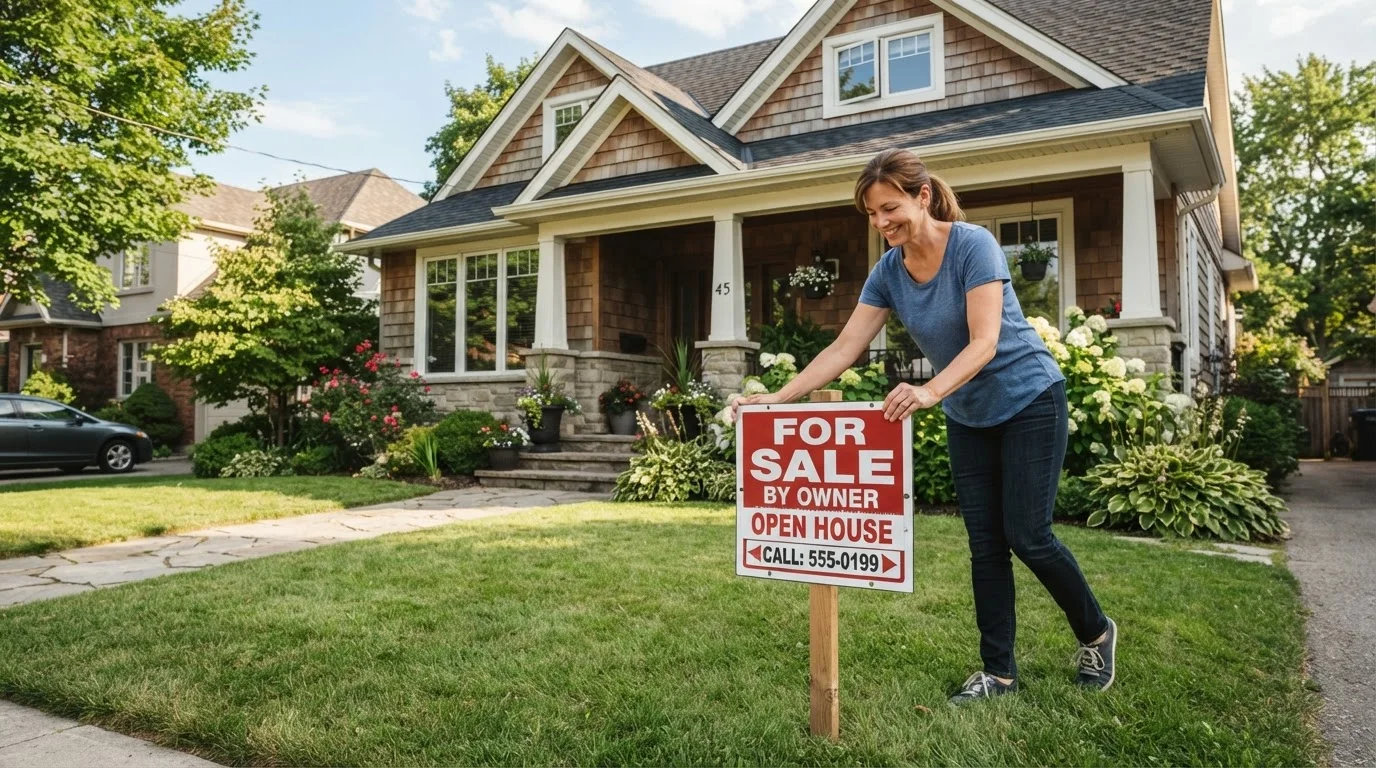
For Sale by Owner — commonly abbreviated as FSBO (pronounced "fizbo") — means selling your home without hiring a listing agent to represent you. You take on the responsibilities typically handled by an agent: setting the price, marketing the property, coordinating showings, negotiating offers, and managing the closing paperwork.
What FSBO does not mean is selling without any professional involvement. Most FSBO transactions still involve a buyer's agent (whom the seller typically compensates), a real estate attorney to review contracts, and potentially a title company or escrow officer. Understanding this distinction is critical before deciding whether to go it alone. For a broader look at the full selling process, see our step-by-step home-selling walkthrough.
FSBO Doesn't Mean Doing Everything Alone
Even sellers who skip a listing agent typically work with a real estate attorney, a title or escrow company, and possibly a transaction coordinator who handles paperwork for a flat fee. Budgeting for these professional services is a smart part of any FSBO plan. Going FSBO means managing the process — not necessarily doing every piece of it in isolation.
The Real Advantages of Going FSBO
The primary draw of FSBO is financial. Listing agent commissions have traditionally ranged from 2.5% to 3% of the sale price. On a $400,000 home, that's $10,000–$12,000 retained rather than paid out. Beyond money, some sellers value the direct control FSBO provides — setting their own showing schedule, communicating with buyers without a middleman, and making negotiation decisions in real time.
Avoid paying a listing agent commission
Sellers can retain 2.5–3% of the sale price that would otherwise go to a listing agent — a meaningful sum on higher-value properties.
Full control over the sales process
FSBO sellers set their own showing schedule, respond directly to buyers, and make all negotiation decisions without waiting on an intermediary.
Direct communication with buyers
Negotiating face-to-face (or directly) can allow sellers to address buyer concerns in real time and build rapport that sometimes helps close deals.
Flexibility in marketing approach
Sellers can choose their own photography, write their own listing description, and tailor the presentation to highlight what they know buyers in their area value most.
~7%
Share of U.S. home sales that are FSBO
According to the National Association of Realtors' Profile of Home Buyers and Sellers, FSBO transactions have historically accounted for roughly 7–10% of all home sales.
~$60K
Median FSBO sale price vs. agent-listed
NAR data has historically shown a notable gap between median FSBO sale prices and agent-assisted sale prices, though the gap varies by market and seller circumstances.
Pricing accuracy is where FSBO sellers must invest significant effort. A well-researched asking price — grounded in comparable sales data — is foundational. Our article on pricing your home to sell explains how to evaluate comps and avoid the costly trap of overpricing.
The Real Challenges of Going FSBO
The disadvantages of FSBO are significant and worth taking seriously. The most common pitfall is mispricing. Without access to a professional comparative market analysis (CMA) — or the experience to interpret one — FSBO sellers frequently list too high, leading to extended time on market and eventual price reductions that can actually result in a lower final sale price than a well-priced agent-listed home.
Risk of significant mispricing
Without professional market analysis experience, FSBO sellers commonly list too high, leading to stale listings and eventual price cuts that may net less than a well-priced agent-listed home would have.
Limited MLS access reduces buyer exposure
The MLS is the primary tool buyers and their agents use to find homes; FSBO sellers must pay for flat-fee MLS access and still typically receive less promotional reach than agent-listed properties.
Time-intensive from listing through closing
Managing inquiries, scheduling showings, vetting buyers for financing, and coordinating inspections and appraisals is effectively a part-time job for the duration of the listing.
Legal and disclosure risks without professional guidance
Errors or omissions in purchase contracts or required disclosures can expose sellers to post-closing legal disputes; real estate contract law varies meaningfully by state.
Buyer's agent commission still typically applies
If the buyer is represented by an agent — which is common — the seller usually still pays that agent's commission, meaning total commission savings are smaller than many FSBO sellers initially expect.
Marketing reach is another real hurdle. Most buyers find homes through the Multiple Listing Service (MLS), which is typically accessible to licensed agents only. FSBO sellers can pay a flat-fee MLS service to get listed, but they still miss the professional photography, network referrals, and negotiated exposure that agents provide. Separately, disclosure obligations — legally required written statements about known property defects — apply to all sellers regardless of representation. Missing a required disclosure can expose sellers to legal liability after closing. Review our seller preparation checklist to ensure nothing critical is overlooked.
The Paperwork and Legal Reality
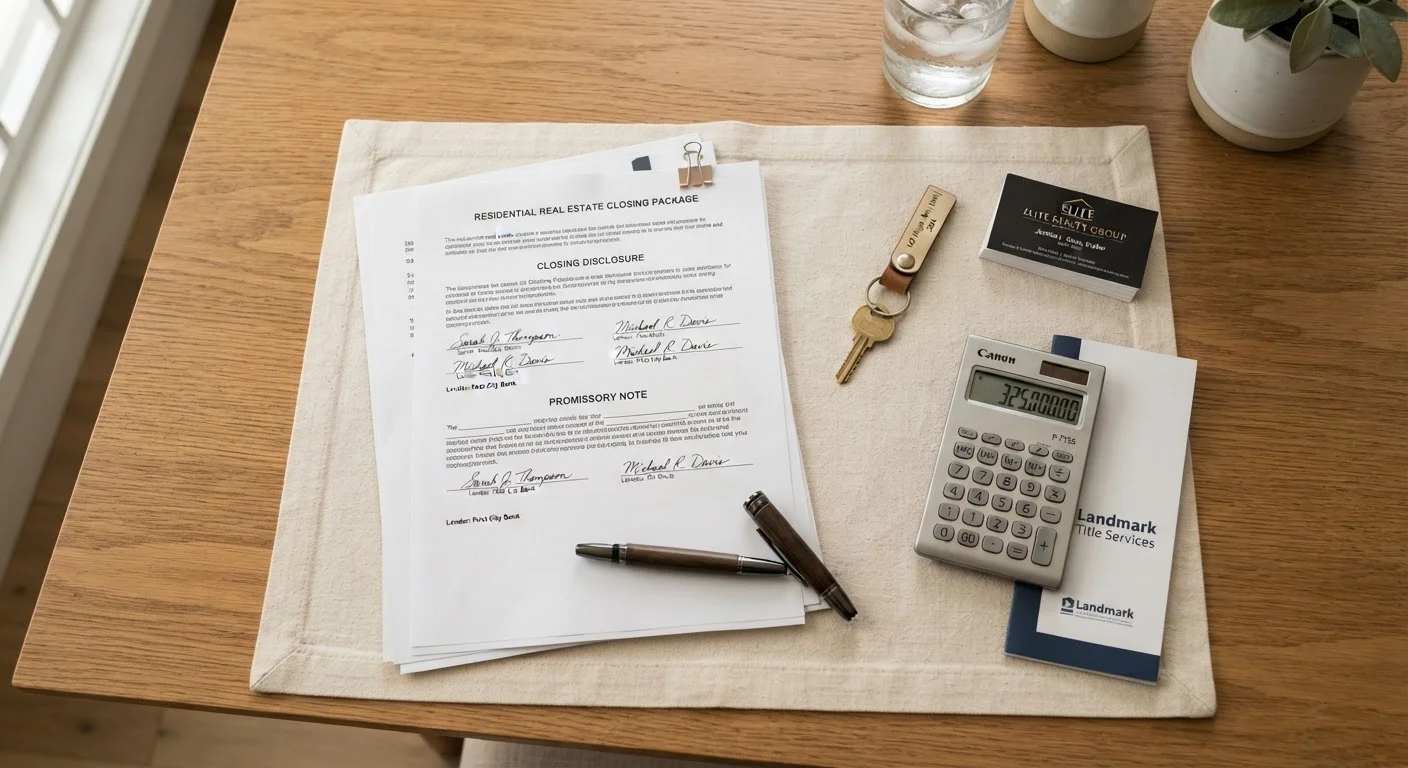
Real estate transactions involve a substantial volume of legally binding documents: the purchase agreement, addenda, contingency clauses, disclosure forms, title documents, and closing statements. Agents are trained to navigate these; FSBO sellers are not — unless they happen to have relevant professional experience.
Most real estate attorneys will review and prepare contracts for a flat fee, typically ranging from a few hundred to roughly $1,000 depending on location and complexity. This cost is worth budgeting for. Similarly, understanding what you'll owe at closing — regardless of whether you use an agent — is essential. Our guide to closing costs for buyers and sellers explains what fees to anticipate and how to estimate your net proceeds.
One frequently misunderstood point: even in FSBO transactions, sellers typically still pay the buyer's agent commission (commonly 2.5–3%) if the buyer is represented. The savings come only from not paying a listing agent — not from eliminating agent costs entirely. Some buyers also approach FSBO listings assuming they can negotiate a lower price precisely because no listing commission is being paid, which is a dynamic worth preparing for.