Why the Selling Process Trips Up Even Experienced Homeowners
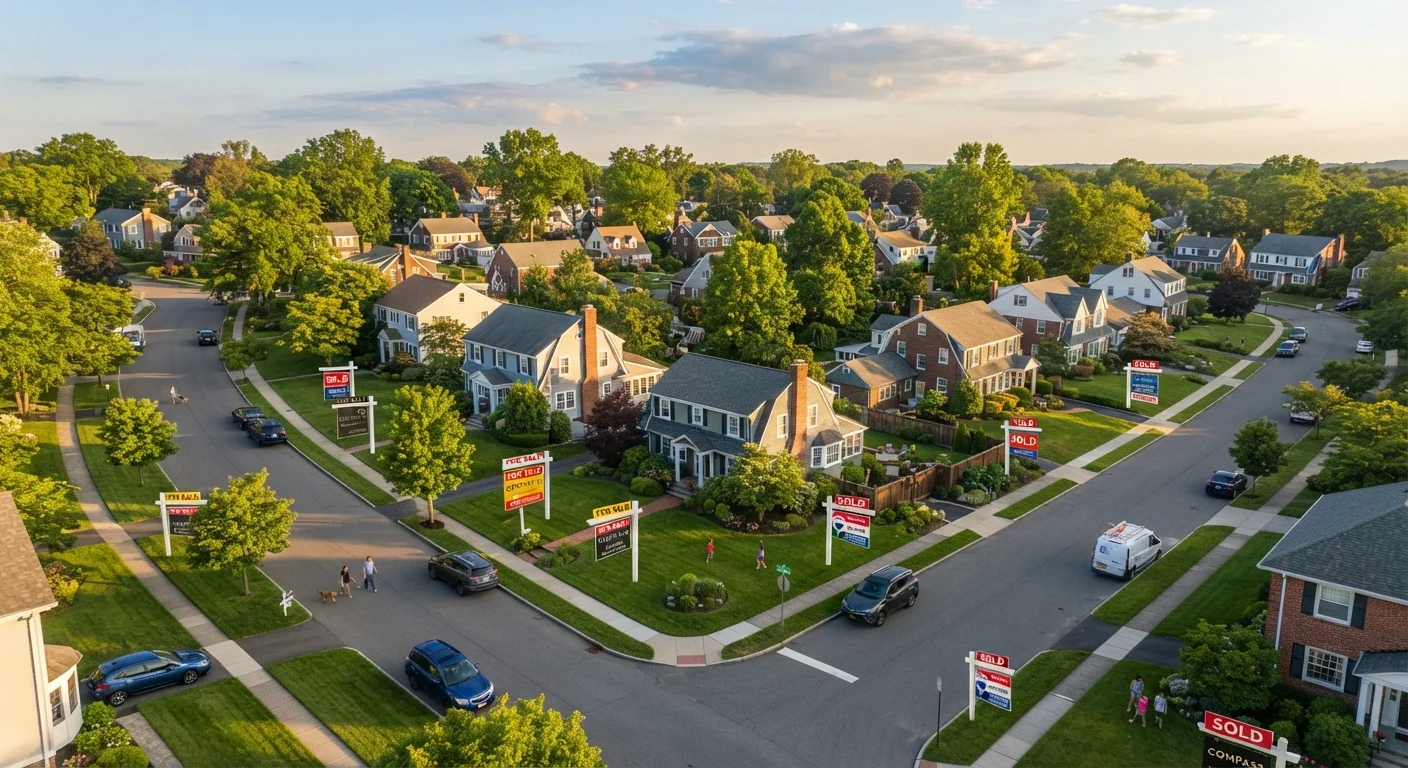
Selling a home is one of the largest financial transactions most people will ever make — yet the process is often misunderstood. Many sellers enter the market with outdated assumptions about pricing, timing, or what buyers actually want. Some of those misconceptions are addressed directly in our article on real estate myths that trip up buyers and sellers every day.
The core challenge is that selling involves overlapping decisions — pricing, preparation, negotiation, legal compliance — that must be coordinated within a compressed timeline. A misstep in any one area can delay closing, reduce your net proceeds, or create post-sale legal exposure. The steps below map the process from market preparation through closing, with practical guidance at each stage.
What you will need
If you're planning to buy a new home at the same time, the timing adds another layer of complexity. See buying vs. selling in the same market for strategies on managing both moves.
Disclosure Obligations Are Non-Negotiable
Every state has laws governing what sellers must disclose to buyers — from known structural defects to water damage history and lead paint in older homes. Failing to disclose a known material defect can expose you to legal liability even after closing. Review your state's seller disclosure form carefully and consult a real estate attorney if you are unsure what to include.
The Tools That Support a Successful Sale
Selling without the right resources — or the right professionals — increases the risk of costly errors. Here are the key tools and experts involved in a typical home sale:
Licensed Real Estate Agent
Guides pricing strategy, markets the listing, negotiates on your behalf, and manages the transaction through closing.
Comparative Market Analysis (CMA)
A data-driven report comparing your home to recently sold similar properties to help establish a defensible listing price.
Pre-Listing Home Inspector
Identifies repair issues before buyers discover them, giving you time to fix or disclose them proactively.
Real Estate Attorney
Reviews contracts, ensures disclosure compliance, and protects your legal interests — required in some states.
Professional Photographer
Produces listing photos that attract more buyer attention and can improve online click-through rates significantly.
Not every seller needs all of these resources, but understanding what each one does helps you decide where professional support is worth the cost.
Don't Skip the Pre-Listing Walk-Through
Walking through your home with a buyer's mindset — or hiring a pre-listing inspector — can surface issues before they become negotiating leverage for the buyer. Addressing small repairs upfront often costs far less than a post-inspection price reduction. See our seller's preparation checklist for a detailed rundown of what to tackle before you list.
Step-by-Step: From Listing to Closing
Follow these steps in order. Each builds on the last, and skipping ahead — for example, listing before completing disclosures — can create legal and logistical problems down the line.
Assess Your Home's Market Value
Start by understanding what your home is actually worth in the current market — not what you paid for it, not what you've invested in renovations, and not what a neighbor sold for two years ago. Request a Comparative Market Analysis (CMA) from a licensed agent, or review recent sales of similar homes in your area through public county records. For a deeper look at how appraisers evaluate properties, see everything that shapes a home's appraisal value.
Prepare the Property for Market
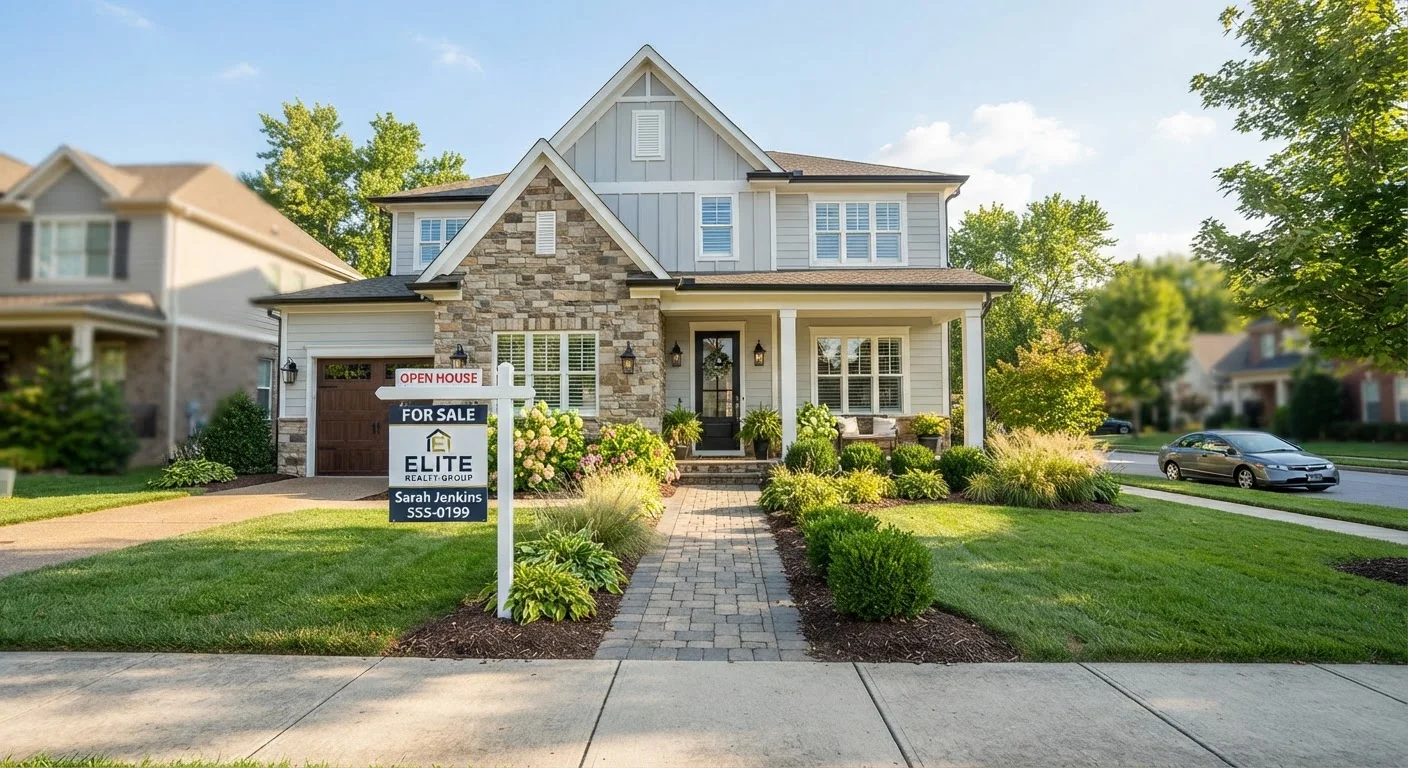
First impressions — both online and in person — drive buyer interest. Declutter every room, address deferred maintenance, and consider neutral paint where needed. Staging, even minimally, helps buyers visualize scale and flow. Curb appeal matters more than many sellers expect: a tidy exterior signals that the home has been well maintained throughout.
Complete Seller Disclosures
Before your home hits the market, you are legally required to disclose known material defects and conditions. These vary by state but typically include roof condition, water intrusion history, HVAC age and function, and environmental hazards such as radon or lead paint in homes built before 1978. Work through your state's official disclosure form carefully and document everything in writing.
List the Property and Market It
Once priced and prepared, your home is listed on the Multiple Listing Service (MLS) — the database agents and major real estate portals draw from. High-quality photographs are essential; most buyers begin their search online and form strong impressions from listing images alone. Your agent will coordinate showings and open houses, and may deploy additional marketing such as social media promotion or email campaigns to local buyer pools.
Review and Negotiate Offers
When offers arrive, resist evaluating them on price alone. Pay close attention to contingencies — conditions a buyer must meet before the sale is finalized, such as financing approval, a satisfactory home inspection, or the sale of their existing home. A lower offer with fewer contingencies may be less risky than a higher offer laden with conditions. You can accept, reject, or counter any offer. Multiple-offer situations may allow for a best-and-final request. For context on how buyers approach this same stage, see the home buying process explained from offer to closing.
Navigate Inspection and Appraisal
Once under contract, the buyer will typically conduct a home inspection. Expect the inspector to note issues — no home is perfect. The buyer may then request repairs or a price reduction. You can agree, negotiate, or decline, though significant defects in a buyer's market may require compromise. If the buyer is using a mortgage, the lender will order an independent appraisal. If the appraisal comes in below the agreed purchase price, the deal may need to be renegotiated or the buyer must cover the difference out of pocket.
Close the Sale
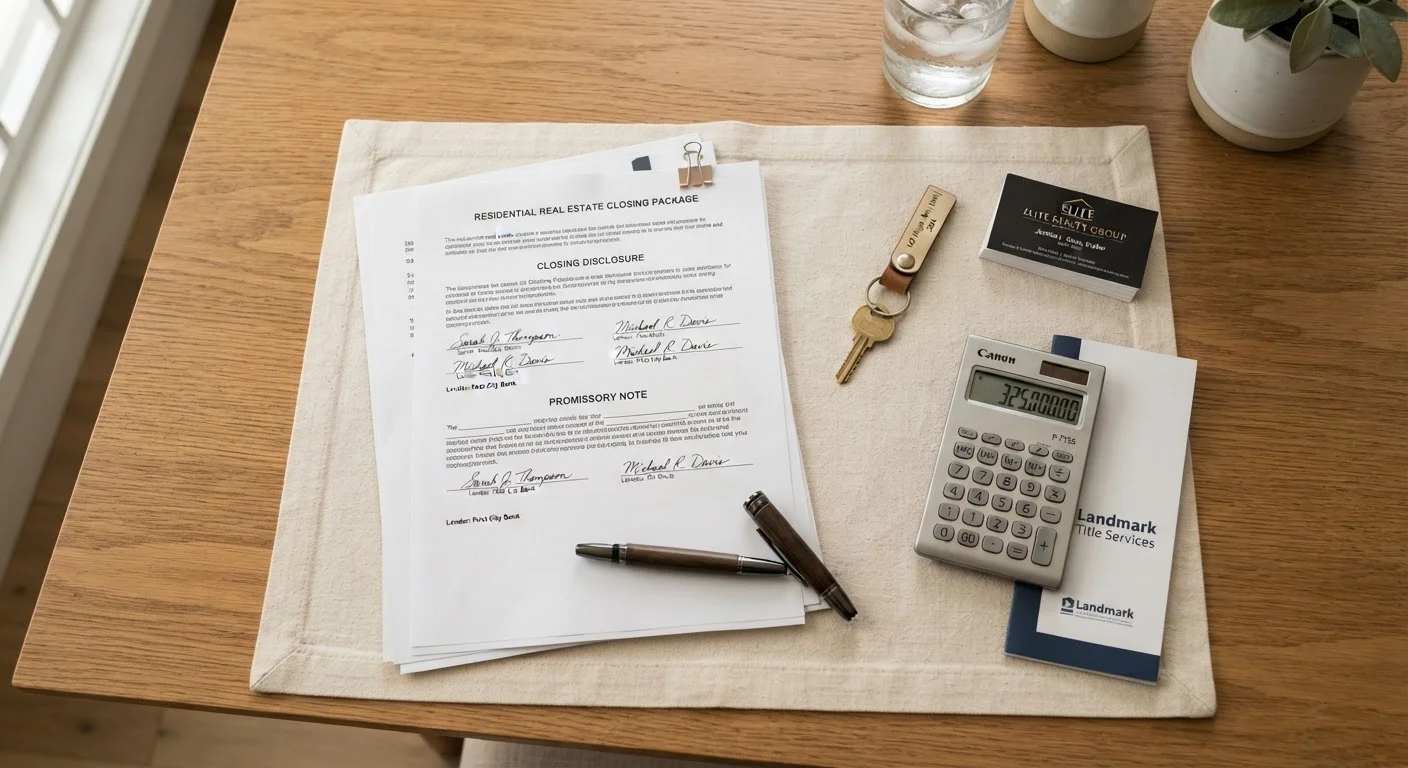
Closing (also called settlement) is the final step where ownership officially transfers. You will sign documents, pay closing costs — typically 6–10% of the sale price inclusive of agent commissions — and receive your net proceeds. Review the Closing Disclosure document carefully before the closing date; it itemizes every fee and credit. Once all parties sign and funds are disbursed, the buyer receives the keys and the sale is complete.
Overpricing Can Backfire Quickly
A home that sits on the market for weeks or months often attracts skepticism from buyers, who assume something is wrong with the property. Price reductions can help, but they rarely restore the momentum of a well-priced debut. Ground your listing price in comparable sales data, not your personal estimate of the home's worth.
This article provides general real estate information for educational purposes. It is not legal, financial, or investment advice. Real estate transactions are governed by state and local law; consult a licensed real estate agent and, where appropriate, a real estate attorney before making decisions about selling your property.