Why These Two Techniques Are Inseparable
Fear and reactivity are among the most common reasons pet owners seek professional training help. Whether a dog lunges at strangers, a cat hides at every sound, or a rescue animal freezes during routine handling, the root cause is usually emotional: the animal has learned that a particular stimulus predicts something bad, or simply overwhelming. Desensitization and counter-conditioning (often abbreviated DS/CC) are the two tools that address that emotional root directly.
Using one without the other leaves the job half-done. Desensitization alone reduces the fear response but doesn't replace it with anything. Counter-conditioning alone, applied at too high an intensity, can fail because the animal is too stressed to form a positive association. Together, they create a systematic path from fear toward calm — sometimes even toward enthusiasm. This is why DS/CC is considered the cornerstone of reward-based behavior work across virtually every species.
How Desensitization Works in Practice
The key concept in desensitization is the fear threshold: the point at which a stimulus triggers a noticeable stress response. Training must happen below this threshold. That means controlling distance, volume, movement, or duration — whatever dimension of the stimulus drives the fear.
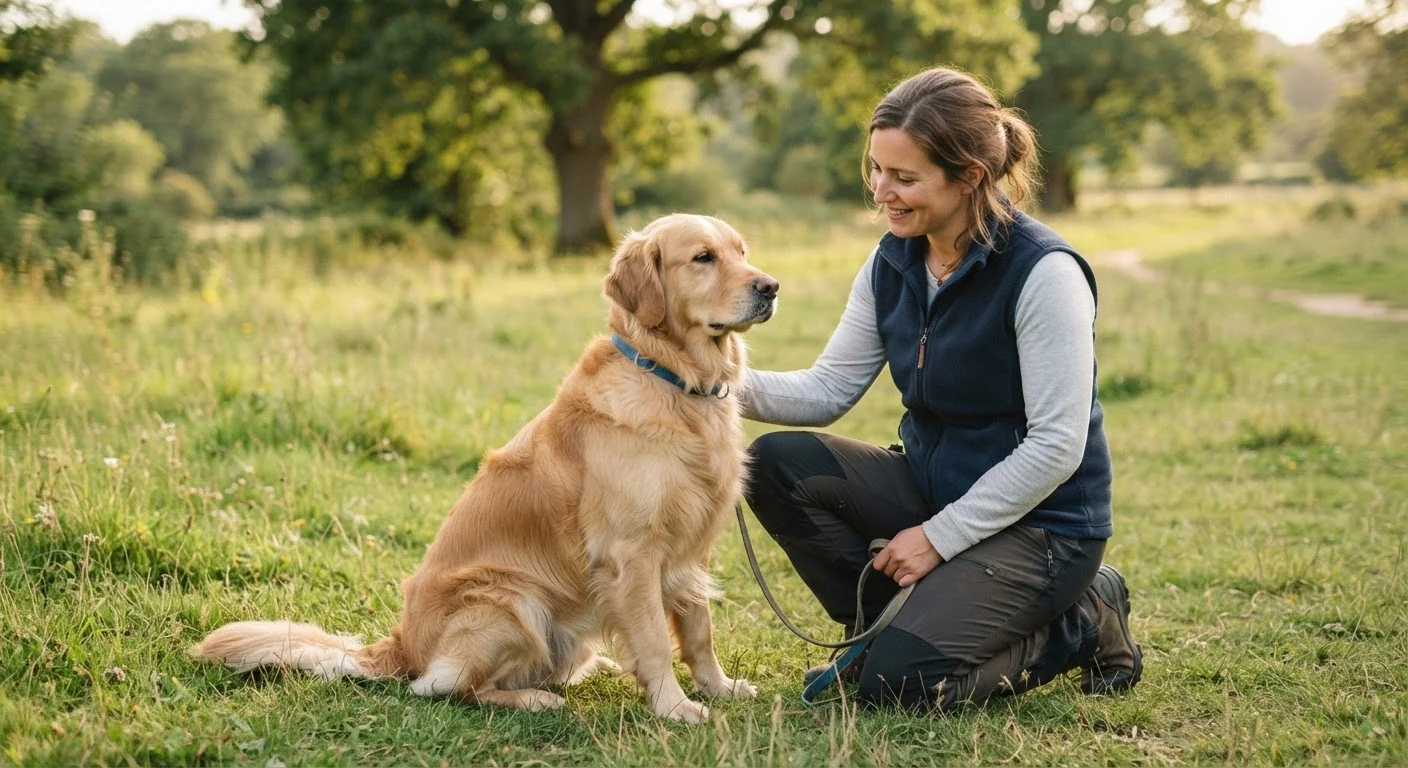
A dog reactive to other dogs, for example, might remain calm at 50 feet but show full reactivity at 20 feet. Sessions begin at 55 or 60 feet, where the dog can notice the trigger without responding. Over many repetitions and sessions, distance is very gradually reduced — only when the animal consistently shows no distress at the current level. If the animal reacts at any point, the trainer or owner has moved too fast and must return to a comfortable distance.
Structure Your Sessions for Success
Keep DS/CC sessions short — typically five to ten minutes — and end on a calm, successful moment rather than pushing for one more repetition. Fatigue and frustration in either the owner or the animal can erode progress quickly. Consistent, brief sessions spaced across the week outperform long, infrequent ones.
Good session structure is just as critical as the technique itself. Consistency, timing, and session length all influence how quickly a fearful animal makes progress.
How Counter-Conditioning Changes the Emotional Response
Counter-conditioning works through classical conditioning: the feared stimulus is repeatedly paired with something the animal values highly, so it begins to predict good things rather than bad ones. The animal doesn't need to perform any behavior — the pairing happens automatically at the emotional level.
The practical sequence is simple: trigger appears → high-value reward immediately follows. The trigger predicts the treat; the treat does not appear at other times. Over many repetitions, the animal's internal reaction shifts. A dog that once tensed at the sight of a bicycle may begin to orient toward its owner expectantly — because bicycles now mean chicken.
~72%
Dogs showing some form of anxiety or fear
A large survey published in Scientific Reports (Salonen et al., 2020) found that approximately 72% of dogs exhibited at least one anxiety-related behavior, underscoring how common fear and reactivity are in companion animals.
Below threshold
Critical requirement for every DS session
Behavioral guidelines from organizations such as the American Veterinary Society of Animal Behavior consistently emphasize that exposure must remain below the animal's fear threshold for desensitization to be effective.
This same principle applies to resource guarding, where approaching the guarded item can be counter-conditioned to predict a reward delivery rather than a perceived threat.
Common Mistakes That Slow Progress
Even well-intentioned owners can inadvertently undermine DS/CC work. The most frequent error is moving too quickly through intensity levels. A single over-threshold exposure can undo substantial progress by reinforcing the fear memory. Patience is not optional — it is the mechanism.
A second common mistake is using rewards that aren't actually motivating in context. A dog too aroused to eat has exceeded its threshold and cannot form positive associations. If the animal won't take food, the stimulus is too intense. The training environment must change before the session continues.
Owners also sometimes inadvertently reinforce vigilance by delivering treats while the animal is still staring intently at the trigger. The goal is to reward calm, relaxed body language — or better, to use the trigger's appearance as the cue to deliver the reward before anxiety builds.
DS/CC Is Not the Same as Flooding
Flooding — exposing an animal to a fear stimulus at full intensity until the reaction subsides — is fundamentally different from desensitization and carries real welfare risks. Animals subjected to flooding may appear to calm down but often remain highly stressed or become more sensitized over time. Humane behavioral practice avoids flooding in favor of sub-threshold, voluntary exposure.
DS/CC approaches the problem very differently from suppression-based methods. For a broader look at training philosophies and the evidence behind them, see the debate between force-free and balanced training.
When to Involve a Professional
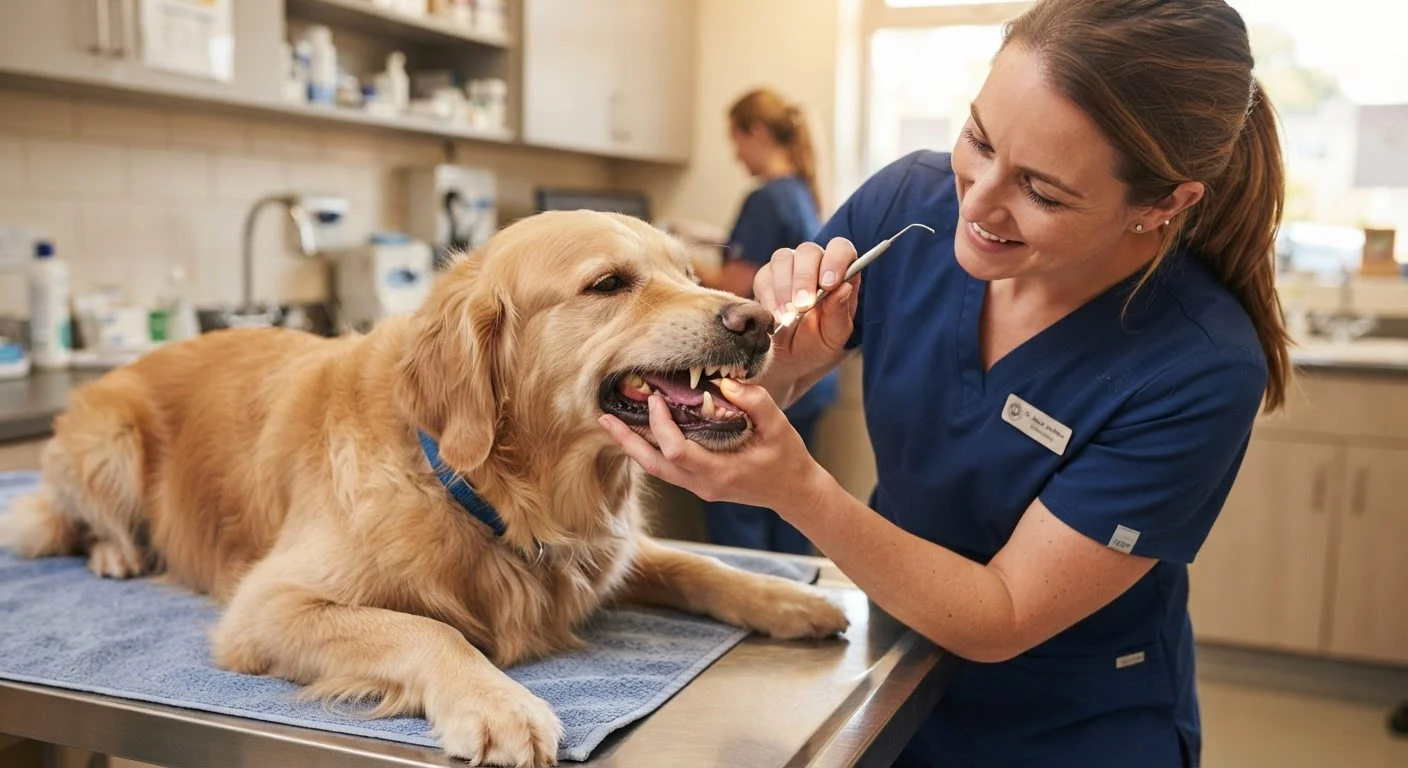
DS/CC is learnable by dedicated owners, but some situations require professional guidance. Cases involving aggression — especially toward people or children — carry safety risks that make structured, expert oversight important. A certified applied animal behaviorist (CAAB) or a veterinary behaviorist (Dip ACVB) can design a protocol specific to the animal's history, triggers, and intensity of response.
Veterinary involvement is also worth considering when behavioral signs are sudden or severe. A veterinarian can rule out underlying medical causes and, in some cases, discuss whether anti-anxiety medication might help reduce the animal's baseline arousal enough for behavioral work to take hold. Medication and DS/CC are often more effective in combination than either approach alone.
This article is for general informational and educational purposes only. It does not constitute veterinary or professional behavioral advice. If your pet is showing signs of severe fear, aggression, or distress, consult a licensed veterinarian or certified animal behaviorist for guidance specific to your situation.