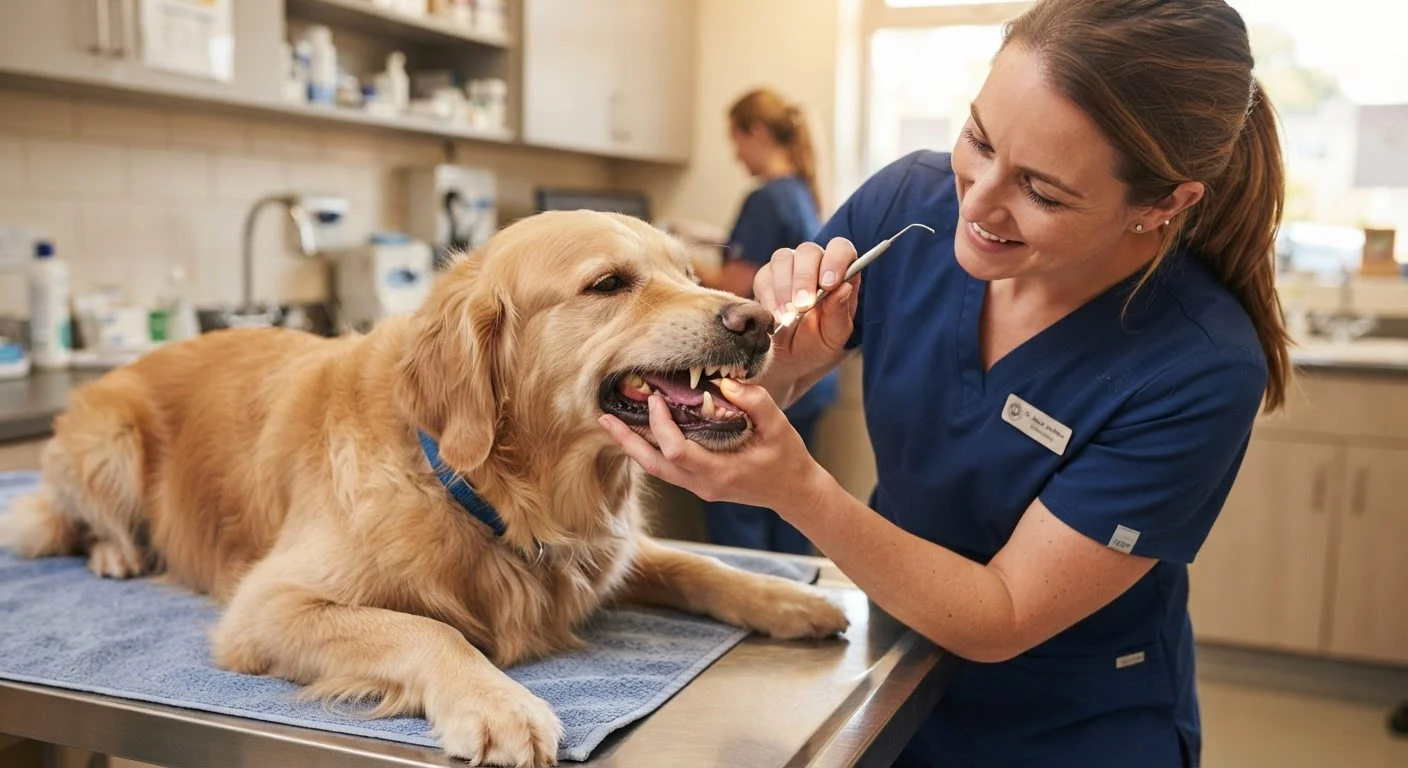

Why the First Year Sets the Foundation
The first twelve months of pet ownership are disproportionately influential. Behavioral patterns become entrenched, preventive health baselines get established, and the bond between owner and animal takes shape. Most early mistakes aren't made from indifference — they come from information gaps, misplaced assumptions carried over from childhood pets, or simply not knowing what to ask.
Understanding where new owners most commonly go wrong — and why — makes it possible to course-correct quickly. The mistakes below apply broadly to dogs and cats, though the specifics vary by species and individual animal. When in doubt, your veterinarian is always the right first call.
Missing the socialization window by keeping a young pet sheltered from new experiences during the critical developmental period.
Why it happens: New owners often prioritize safety and comfort, keeping puppies or kittens home until vaccinations are fully complete — inadvertently missing the window when positive exposure matters most.
Delaying or skipping the first veterinary visit because the pet seems healthy and active.
Why it happens: Without visible symptoms, many new owners assume there's no urgency — and underestimate how much a baseline wellness exam accomplishes beyond obvious illness detection.
Applying inconsistent rules — allowing behavior one day that's discouraged the next — and confusing the pet in the process.
Why it happens: Inconsistency usually comes from households where family members haven't aligned on expectations, or from owners who make exceptions when tired or emotionally responsive to a pet's persistence.
Misreading stress-related behaviors during the adjustment period as permanent personality traits.
Why it happens: Without prior experience, owners often assume what they see in the first two weeks is who their pet fundamentally is — leading to premature labels like "aggressive" or "anti-social."
Overfeeding or choosing nutritionally inappropriate food based on marketing rather than veterinary guidance.
Why it happens: Pet food packaging uses appealing language that can obscure nutritional specifics, and serving size guides assume an average animal that may not match yours.
The Hidden Cost of Skipping Routine Vet Visits
Many new pet owners schedule an initial wellness visit and then assume everything is handled until something goes wrong. In reality, the first year typically calls for multiple veterinary checkups — puppy and kitten vaccine schedules alone often require three or four visits before the series is complete.
60%
Pet owners who skip follow-up vet visits
According to the American Veterinary Medical Association, a significant proportion of pet owners do not maintain recommended preventive care schedules after the initial visit.
12–16 weeks
Critical socialization window for puppies
Veterinary behaviorists broadly recognize this developmental window as the period when positive exposure has the greatest long-term impact on temperament and adaptability.
Routine visits accomplish more than vaccinations. They establish a health baseline, catch developmental concerns early, and give your vet the context needed to distinguish normal variation from early illness. If you're building a long-term care plan, our guide to building a consistent routine that supports your pet's long-term wellbeing outlines how to structure that first year of care so nothing falls through the cracks.
Don't Wait for Symptoms to Schedule Care
Many conditions common in young pets — including parasites, developmental abnormalities, and infectious disease — may not produce obvious symptoms until they are well advanced. A pet that appears energetic and healthy can still benefit substantially from routine screening. If your pet's behavior or appetite changes noticeably, contact your veterinarian promptly rather than monitoring at home.
Behavior, Training, and Socialization Gaps
Behavioral missteps in the first year often have longer consequences than health missteps, simply because habits — good and bad — calcify quickly. The socialization window for puppies closes around 12–16 weeks of age; for kittens, it's even earlier. Exposure to varied people, environments, sounds, and handling during that period shapes how a pet responds to novelty for life.
New owners also frequently misread the adjustment phase. A dog that hides for the first week isn't necessarily shy by nature; a cat that hisses at strangers isn't automatically antisocial. These are often stress responses to an unfamiliar environment, not permanent traits. Patience, structured positive reinforcement, and understanding body language every dog owner should know helps owners respond appropriately rather than reactively.
For puppies specifically, starting training from day one — before bad habits form — makes an enormous difference. See our puppy training from day one guide for a structured starting point. Cat owners shouldn't assume their pet is untrainable either — cat training myths persist widely, but felines are genuinely responsive to consistent, reward-based methods.
Nutrition Missteps New Owners Don't See Coming
Feeding errors are among the most common and most correctable mistakes in the first year. The two most frequent patterns: overfeeding based on package guidelines designed for an "average" animal (not yours), and choosing food based on packaging claims rather than nutritional content. Life-stage nutrition matters — a puppy has fundamentally different protein and mineral requirements than an adult dog, and those differences have real health implications.
If you're just starting out, our nutrition primer for new pet owners covers feeding schedules, portion basics, and label literacy in plain language. Your veterinarian can also help you calibrate portions to your specific animal's age, breed, and activity level — a step many owners skip entirely.
This article is for general informational and educational purposes only and does not constitute veterinary advice. Always consult a licensed veterinarian for guidance specific to your pet's health, diet, and behavior.