
Why the First Weeks Matter Most
The period between 3 and 14 weeks of age — known as the socialization window — is when a puppy's brain is most receptive to new experiences. What a puppy encounters (and doesn't encounter) during these weeks shapes their temperament, confidence, and stress responses for years to come. Missing this window doesn't make training impossible, but it does make certain behaviors significantly harder to modify later.
This isn't about drilling commands from day one. It's about helping your puppy understand that the world is safe, that you are trustworthy, and that good things happen when they pay attention to you. Everything else — commands, housetraining, leash manners — builds on that foundation.
Socialization window
A developmental period roughly between 3 and 14 weeks of age when puppies are most open to forming positive associations with new people, animals, and environments.
Positive reinforcement
A training approach where desired behaviors are immediately followed by something the animal finds rewarding — such as a treat or praise — making that behavior more likely to repeat.
Generalization
The process of teaching a dog to perform a learned behavior reliably across different locations, people, and levels of distraction — not just in one familiar setting.
Resource guarding
A behavior where a dog becomes tense, stiff, or snappy when another animal or person approaches food, toys, or other valued items.
Crate training
A humane method of teaching a puppy to rest comfortably in a crate by introducing it gradually and associating it with positive experiences rather than confinement.
Socialization: The Foundation of a Confident Dog
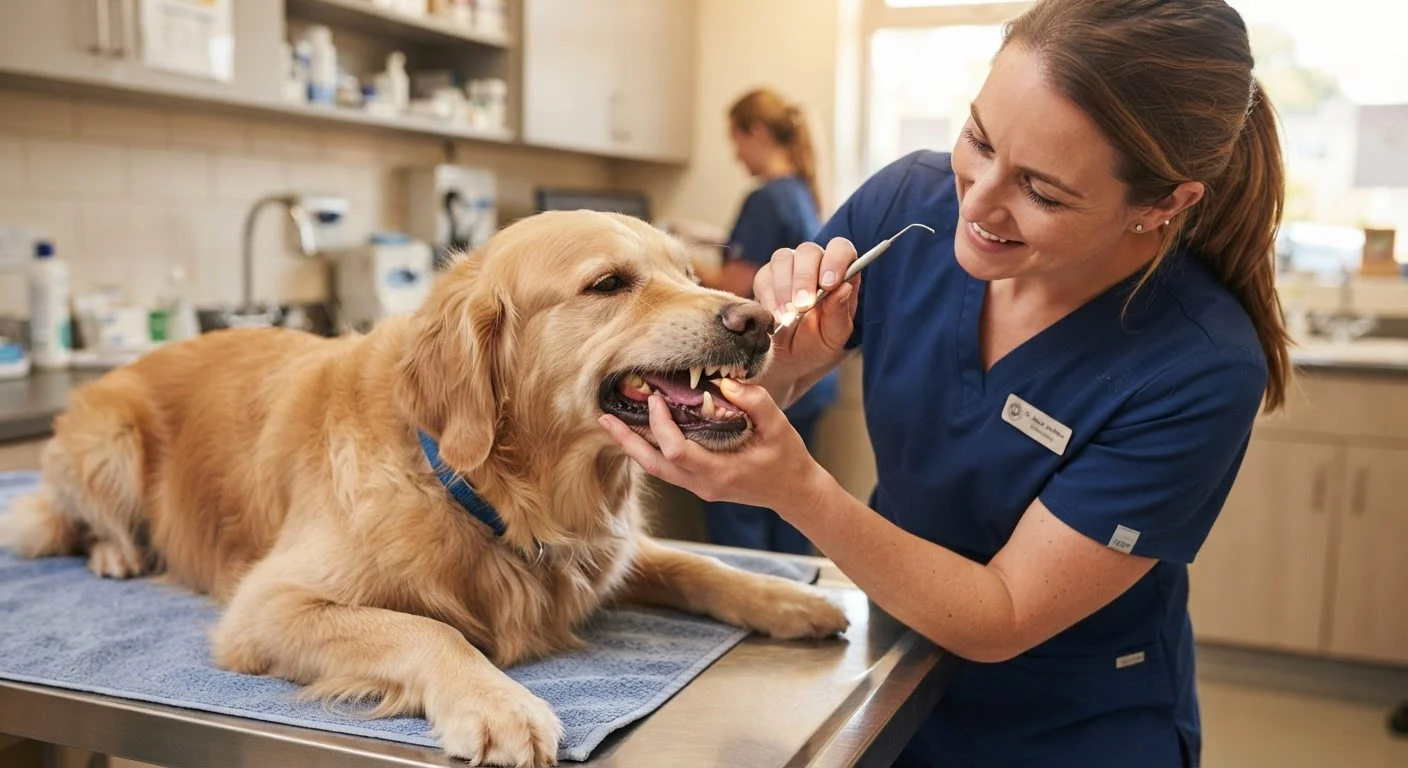
Socialization means exposing your puppy to a wide variety of people, animals, sounds, surfaces, and environments in a positive, controlled way. The goal is to help them learn that novelty is not a threat. A well-socialized puppy grows into a dog that copes calmly with everyday life — veterinary visits, strangers, car rides, and busy sidewalks.
Practical steps include:
- Introducing your puppy to calm, vaccinated dogs and friendly adults of different ages and appearances
- Exposing them to common sounds (traffic, appliances, children playing) at low intensity before gradually increasing
- Letting them walk on different surfaces — grass, tile, gravel, carpet
- Carrying them to new places during the socialization window if they're not yet fully vaccinated, keeping paw contact to known-safe areas
Always watch your puppy's body language. A tucked tail, flattened ears, or attempts to hide signal that exposure is moving too fast. Slow down and let your puppy set the pace. Socialization should be pleasant, never forced.
Make Every Exposure a Good One
Carry high-value treats during socialization outings so you can pair new experiences with something positive the moment your puppy notices them. The association you create — 'new thing = reward' — is what builds resilience, not mere exposure alone. If your puppy refuses to engage with something new, increase distance first rather than pushing closer.
Crate Training and Establishing a Routine
A crate, introduced properly, functions as a puppy's personal den — a place they associate with rest and security rather than isolation. Crate training also accelerates housetraining, because puppies instinctively avoid soiling their sleeping area.
Introduce the crate in stages: place treats and meals just inside the door, then inside the crate itself, before ever closing the door. Once your puppy enters willingly, close the door briefly while staying in the room, then gradually extend the duration over several days. Never use the crate as punishment.
Pair crate training with a predictable daily schedule. Puppies thrive on routine — consistent feeding times, potty trips immediately after waking and after meals, and structured play and rest blocks. For detailed guidance on building structure across your pet's day, see building a consistent daily routine.
Vaccination Timing and Socialization
Veterinary guidance acknowledges a real tension between waiting for full vaccination and the critical socialization window. The American Veterinary Society of Animal Behavior recommends that socialization not be delayed solely for vaccination completion, and that puppies attend socialization classes after receiving at least one round of core vaccines. Discuss the specific timing and risk balance with your veterinarian based on your local disease environment.
Basic Commands Every Puppy Should Learn
Start with the five foundational cues that make daily life safer and easier: sit, stay, come, leave it, and down. Each one has direct practical applications — 'come' can prevent a dash into traffic; 'leave it' stops a puppy from swallowing something dangerous.
The method matters as much as the cue. Use positive reinforcement: reward the behavior you want with a small, high-value treat delivered within one to two seconds of the correct action. Timing is everything — delayed rewards teach the wrong lesson. Keep sessions to 2–5 minutes, end on success, and repeat several times a day.
As your puppy progresses, practice each command in different locations and with increasing distraction levels. A puppy who sits reliably in the kitchen still needs to learn to sit at the dog park — generalization takes deliberate practice. For more on structuring effective sessions, see how to structure training sessions.
Preventing Common Behavioral Problems Early
Many behaviors that frustrate owners — jumping, mouthing, demand barking, and destructive chewing — are entirely normal puppy behaviors that simply need to be redirected before they become habitual. The most effective strategy: remove the reinforcement for unwanted behavior and immediately offer an alternative that earns a reward.
- Jumping up: Turn away and withhold attention until four paws are on the floor, then reward calmly.
- Mouthing and nipping: Say a calm 'ouch,' pause play immediately, then resume when the puppy is calm. Offer appropriate chew toys.
- Demand barking: Do not respond to barking for attention. Wait for quiet, then reward.
Puppies also benefit from mental stimulation to reduce boredom-driven mischief — puzzle feeders, sniff work, and short training games all count. A well-exercised mind is less likely to invent destructive entertainment.
Good nutrition also plays a direct role in behavior and cognitive development. If you're still finding your footing with feeding, our puppy nutrition primer covers the essentials for new owners.
Avoid Punishment-Based Training Methods
Techniques involving physical corrections, shock collars, or prolonged isolation can cause fear, increase aggression, and erode the trust between a puppy and their owner. Behavioral science consistently supports reward-based methods as both more effective and less harmful. If a trainer recommends pain or fear as a training tool, seek a second opinion from a certified professional who follows current evidence-based standards.
This article provides general information for educational purposes and is not a substitute for advice from a qualified veterinarian or certified animal behaviorist. If your puppy shows signs of fear, aggression, or extreme anxiety, consult a professional promptly.