What 'Minimum Required Coverage' Actually Means
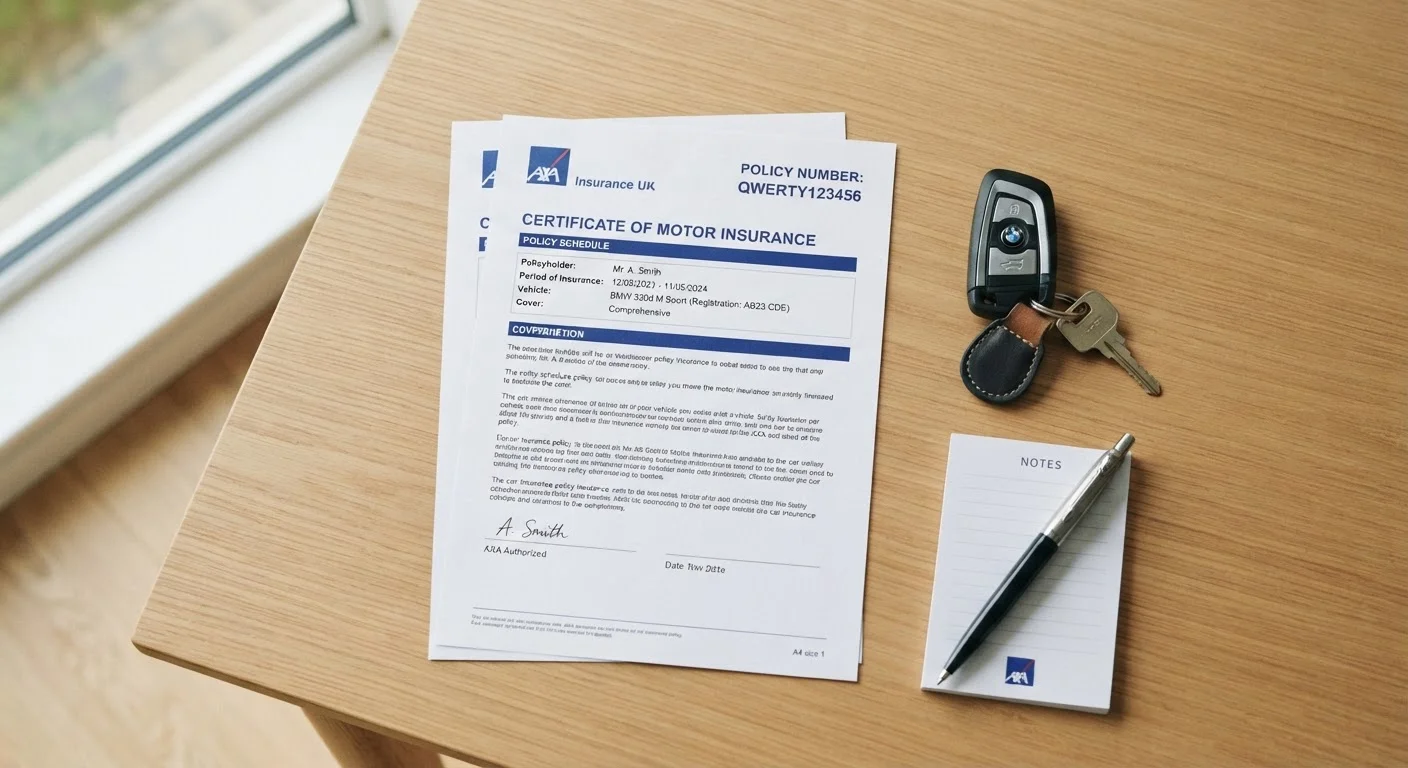
Every state sets a legal floor for the insurance drivers must carry — and some states set similar requirements for homeowners with mortgages. These minimums define the smallest policy that keeps you in compliance with the law, but they were designed to protect other people from you, not to fully protect you from financial harm.
For auto insurance, state minimums typically include a baseline amount of liability coverage — the portion that pays for injuries and property damage you cause to others. Most states do not require collision or comprehensive coverage, which means damage to your own vehicle may not be covered at all. For a primer on how these coverage types fit together, see our beginner's orientation to insurance coverage.
Homeowners insurance minimums are typically set by mortgage lenders rather than states — lenders require enough coverage to protect their financial interest in the property, which may or may not be enough to fully rebuild your home or replace your belongings.
Minimum Coverage Varies Significantly by State
There's no single national standard for minimum auto coverage. State-mandated liability minimums vary widely — some states require relatively modest limits while others mandate higher thresholds. A few states also require personal injury protection (PIP) or uninsured motorist coverage as part of the minimum package. Always check your own state's Department of Insurance for the current requirements where you live.
The Case for Carrying Minimum Coverage
There are real, legitimate reasons some people choose minimum coverage — and those reasons deserve an honest look.
Lower monthly and annual premium costs
Minimum coverage policies carry smaller premiums, which can free up meaningful budget room for people managing tight finances.
Satisfies legal requirements without overpaying
For drivers with older, low-value vehicles they own outright, liability-only coverage may align with the actual risk they're willing to carry.
Reasonable fit for very low-value vehicles
When a vehicle's market value is minimal, the math on comprehensive or collision coverage often doesn't favor paying the extra premium.
The most straightforward benefit is cost. Minimum liability-only auto coverage can cost significantly less per year than a full-coverage policy on the same vehicle. For someone on a fixed income or facing a tight budget, that difference is meaningful.
There's also a reasonable financial argument for older, paid-off vehicles. If your car is worth very little, paying for collision coverage that would only reimburse a small amount may not make mathematical sense. Weighing whether to drop comprehensive and collision on a low-value car is a decision worth thinking through carefully.
The Risks You Accept With Minimum Coverage
The downsides of minimum coverage are real and often underappreciated until a claim happens.
Liability limits may fall short in serious accidents
State minimum liability limits are often lower than the real costs generated by a significant accident involving injuries or major property damage — leaving the policyholder personally on the hook for the difference.
No coverage for damage to your own vehicle
Minimum auto policies typically don't include collision or comprehensive coverage, so if your car is damaged in a crash, stolen, or destroyed by a weather event, you absorb that loss entirely.
Little protection against uninsured drivers
Basic minimum policies frequently exclude uninsured and underinsured motorist coverage, which means an at-fault driver with no insurance could leave you without recourse for your own costs.
Personal assets may be at risk after a large claim
When damages exceed your policy's limits, courts can pursue your wages, savings, or other assets to satisfy a judgment against you.
Homeowner minimums set by lenders, not your needs
Lender-required coverage protects the mortgage holder's interest — it may not be enough to fully rebuild your home or replace your personal property after a major loss.
State liability minimums are often set at levels that haven't kept pace with the actual cost of medical care, vehicle repairs, or legal judgments. A single serious accident can easily generate costs that exceed a minimum policy's limits — leaving you personally responsible for the remainder. That exposure can affect wages, savings, and assets.
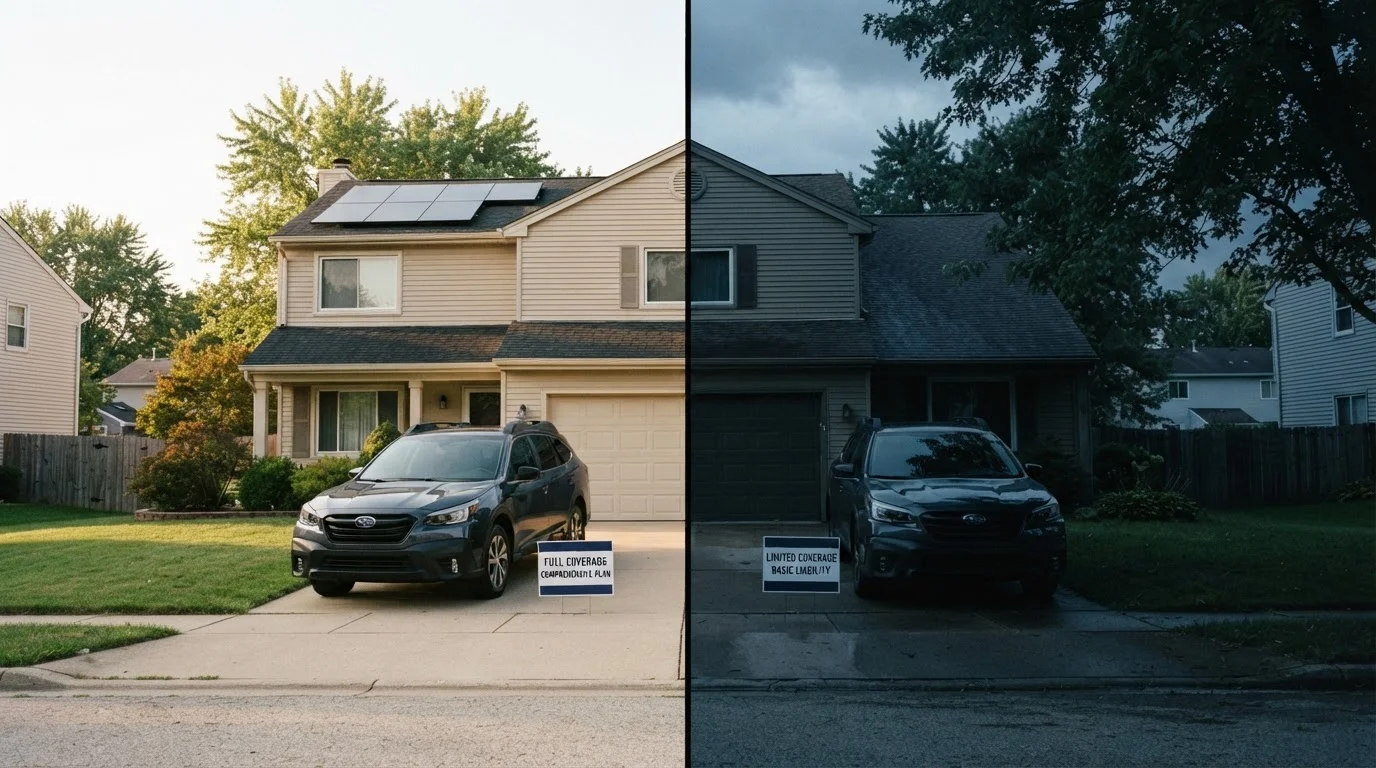
It's also worth noting that minimum coverage tells you nothing about what happens when the other driver is at fault and uninsured or underinsured. Without adding uninsured motorist coverage — which many minimum policies omit — you may be left paying out of pocket for your own injuries and repairs. For a side-by-side look at how minimum and full coverage differ in real-world scenarios, see minimum liability vs. full coverage explained.
1 in 7
U.S. drivers estimated to be uninsured
According to the Insurance Research Council, roughly one in seven drivers on U.S. roads carries no insurance at all, increasing the risk exposure for drivers with minimal coverage.
$50,000+
Typical cost of serious injury accident
Medical and legal costs in a multi-vehicle accident involving serious injuries can readily exceed $50,000 — far beyond the liability limits most state minimums require.
Making the Right Call for Your Situation
The right amount of coverage isn't a universal answer — it depends on your assets, your risk tolerance, your vehicle's value, and your financial cushion if something goes wrong. A helpful framework: ask what you could realistically absorb out of pocket if a serious claim occurred tomorrow. If the honest answer is "not much," minimum coverage may leave you dangerously exposed.
If your goal is to reduce what you pay without shrinking your protection, there are strategies worth exploring before you cut limits. Managing insurance costs without reducing coverage walks through several practical options. And if you're unsure whether your existing policy still fits your life, a coverage review checklist can help you spot gaps before they matter.
This article is for general informational purposes only and does not constitute insurance, financial, or legal advice. Coverage terms, minimums, and requirements vary by state and insurer. Consult a licensed insurance professional to evaluate your specific situation.