Two Coverages, Two Completely Different Jobs
Liability and comprehensive are both found on auto insurance policies, but they solve entirely different problems. Confusing them is one of the most common misunderstandings drivers have about their own coverage - and that confusion can lead to costly surprises after a loss.
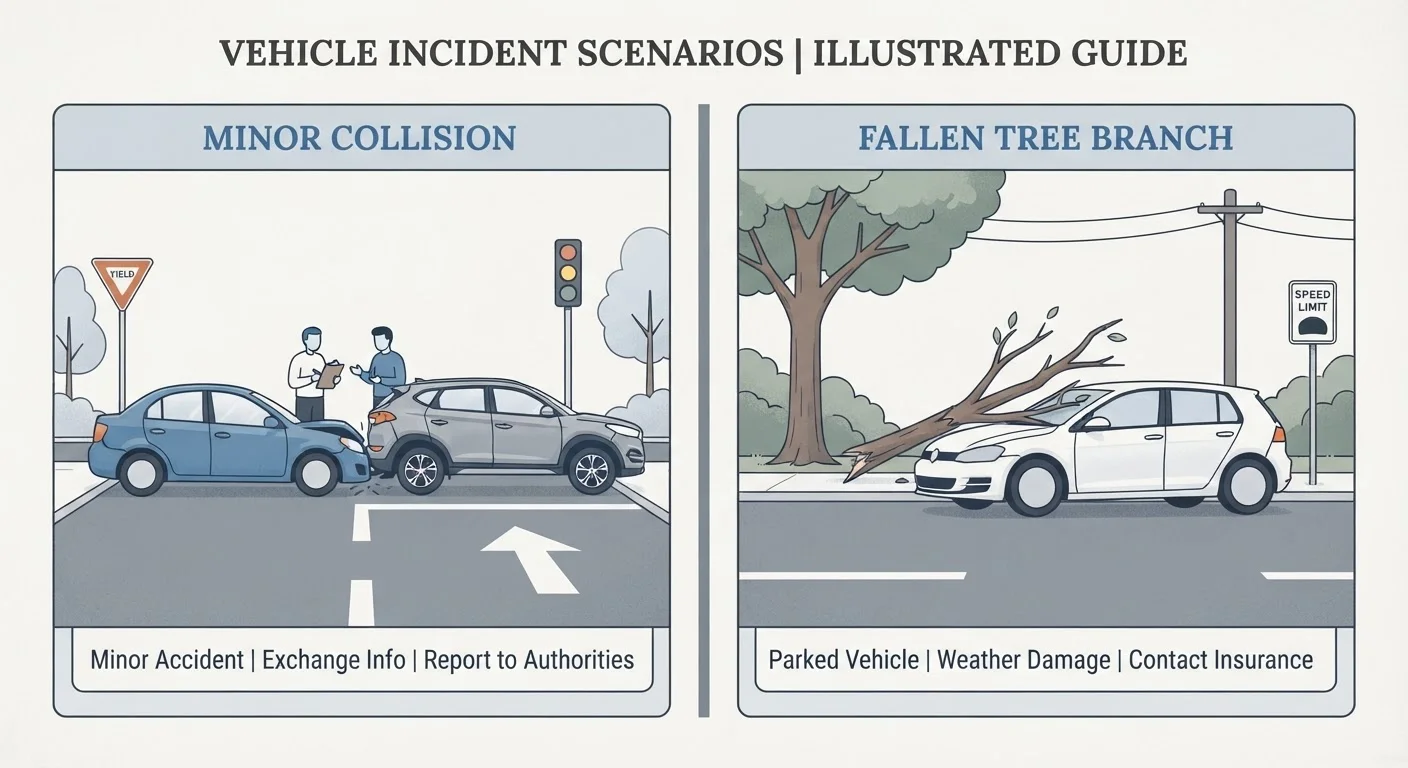
Liability coverage is outward-facing. It pays for harm you cause to other people or their property when you're at fault in an accident. If you rear-end another driver and injure them, liability helps cover their medical bills and vehicle repairs - not yours.
Comprehensive coverage is inward-facing. It pays to repair or replace your own vehicle when it's damaged by something other than a collision with another car or object. Think theft, hail, flooding, fire, falling trees, or a deer running into the road.
For a fuller picture of how these fit alongside collision and other policy components, see the auto insurance coverage types reference from our Insurance Basics hub.
| Criterion | Liability Coverage | Comprehensive Coverage |
|---|---|---|
| What it protects | Other people's injuries and property | Your own vehicle from non-collision losses |
| Legally required? | Yes, in nearly all states | No, optional (lenders may require it) |
| Covers your car repairs? | No | Yes, for covered non-collision events |
| Covers theft? | No | Yes |
| Covers weather damage? | No | Yes (hail, flood, wind, etc.) |
| Deductible applies? | No | Yes |
| Covers at-fault collision damage to others? | Yes | No |
What Liability Actually Covers - and What It Doesn't
Liability coverage is typically split into two parts. Bodily injury liability covers medical expenses, lost wages, and legal costs for people you injure. Property damage liability covers repairs to vehicles or structures you damage.
Policies express these as limits - for example, 25/50/25 means $25,000 per person for bodily injury, $50,000 per accident for bodily injury, and $25,000 for property damage. State minimums vary, and they're often lower than what real-world accidents cost.
What liability does not cover: your own medical bills, your own vehicle repairs, or damage from events like storms and theft. If you cause a serious crash, your liability coverage pays the other party - you'd need separate coverage for your own losses.
Minimum liability limits vs. full coverage explores how state-minimum policies can leave significant gaps in real-world scenarios.
49 states
States with mandatory liability insurance laws
New Hampshire is the sole exception, though drivers there must still demonstrate financial responsibility if they cause an accident.
~20%
Share of U.S. drivers estimated to be uninsured
The Insurance Research Council has estimated that roughly 1 in 5 drivers on U.S. roads carries no auto insurance, underscoring the importance of understanding coverage gaps.
$3,000+
Average comprehensive claim cost
Industry data from the Insurance Information Institute suggests the average comprehensive claim has historically fallen in the range of several thousand dollars, varying by event type.
What Comprehensive Actually Covers - and Its Limits
Comprehensive coverage steps in when your vehicle is damaged by something you generally couldn't prevent or steer around. Covered events typically include:
- Theft or vandalism
- Weather events - hail, wind, flooding, ice
- Fire
- Falling objects such as tree branches or debris
- Animal strikes (a deer running into your car, for instance)
Comprehensive does not cover damage from colliding with another vehicle or a fixed object - that's what collision coverage handles. It also won't cover normal mechanical wear, tire damage, or personal belongings stolen from inside the car (those typically fall under renters or homeowners insurance).
Comprehensive coverage comes with a deductible - an amount you pay out of pocket before insurance covers the rest. Choosing a higher deductible generally lowers your premium but increases your upfront cost when you file a claim.
If you're weighing whether to keep comprehensive on an older vehicle, our article on dropping comprehensive and collision coverage walks through the financial factors worth considering.
Lender Requirements Can Override Your Choice
If you're still making payments on your vehicle, the lender - not just your state - may dictate what coverage you carry. Most auto loan and lease agreements require both comprehensive and collision coverage for the life of the loan. Dropping either without lender approval could trigger a force-placed insurance policy, which typically costs more and covers less than a standard policy you'd choose yourself. Always check your loan or lease agreement before making changes to your coverage.
How They Work Together (and What's Still Missing)
Neither liability nor comprehensive coverage is a complete solution on its own. Most drivers need a combination of coverage types to protect against the full range of risks they actually face.
A typical full-coverage policy bundles liability, comprehensive, and collision. Add-ons like personal injury protection (PIP), uninsured motorist coverage, and medical payments coverage fill additional gaps. The liability, collision, and comprehensive breakdown explains how these three core coverages interact.
Coverage decisions should reflect your vehicle's value, your financial situation, any lender requirements, and the risks common to where you live and drive. Because terms, exclusions, and premiums vary by insurer and state, always review your actual policy documents and consult a licensed insurance agent for guidance specific to your situation.
This article is for general informational purposes only and does not constitute personalized insurance or financial advice. Coverage terms, requirements, and costs vary by provider, policy, and state. Consult a licensed insurance professional for guidance tailored to your circumstances.