How Retail Environments Are Designed to Work Against Your Budget
Walking into a store - or opening a shopping app - means entering an environment designed with considerable care. Lighting, product placement, pricing displays, and checkout flows are not incidental. They reflect decades of consumer research aimed at one outcome: increasing the size and frequency of purchases.
This isn't speculation. Behavioral economics and retail psychology are established fields, and their findings have been applied broadly across physical and digital retail. That doesn't make every store manipulative in a sinister sense, but it does mean that shoppers who understand these mechanics are better equipped to spend in line with their actual intentions. For a broader foundation on making smarter everyday purchases, this consumer field guide is a useful starting point.
These Tactics Are Legal and Widespread
None of the pricing or layout strategies described here are deceptive in a legal sense - they're standard commercial practice used across retail categories. Understanding them isn't about distrusting retailers; it's about making spending decisions that reflect your own priorities rather than being shaped entirely by someone else's. Awareness is the primary tool available to consumers.
The tactics below are among the most common and well-documented. Recognizing them while you shop - in-store or online - can meaningfully reduce unplanned spending over time.
Anchor Pricing Sets a High Starting Point
Retailers often display a high "original" price next to a lower sale price. That original figure acts as an anchor - a reference point your brain uses to judge value. Even if the anchor price was never widely paid, seeing it makes the sale price feel like a genuine deal. The result: shoppers are more likely to buy, and more willing to pay the discounted amount without comparison shopping.
Before accepting a marked-down price at face value, check what the same item costs at other retailers or through a quick search. The unit price on the shelf tag is often more informative than any percentage-off claim.
An "original" price is a reference point, not proof of real value.
Store Layouts Steer You Past More Products
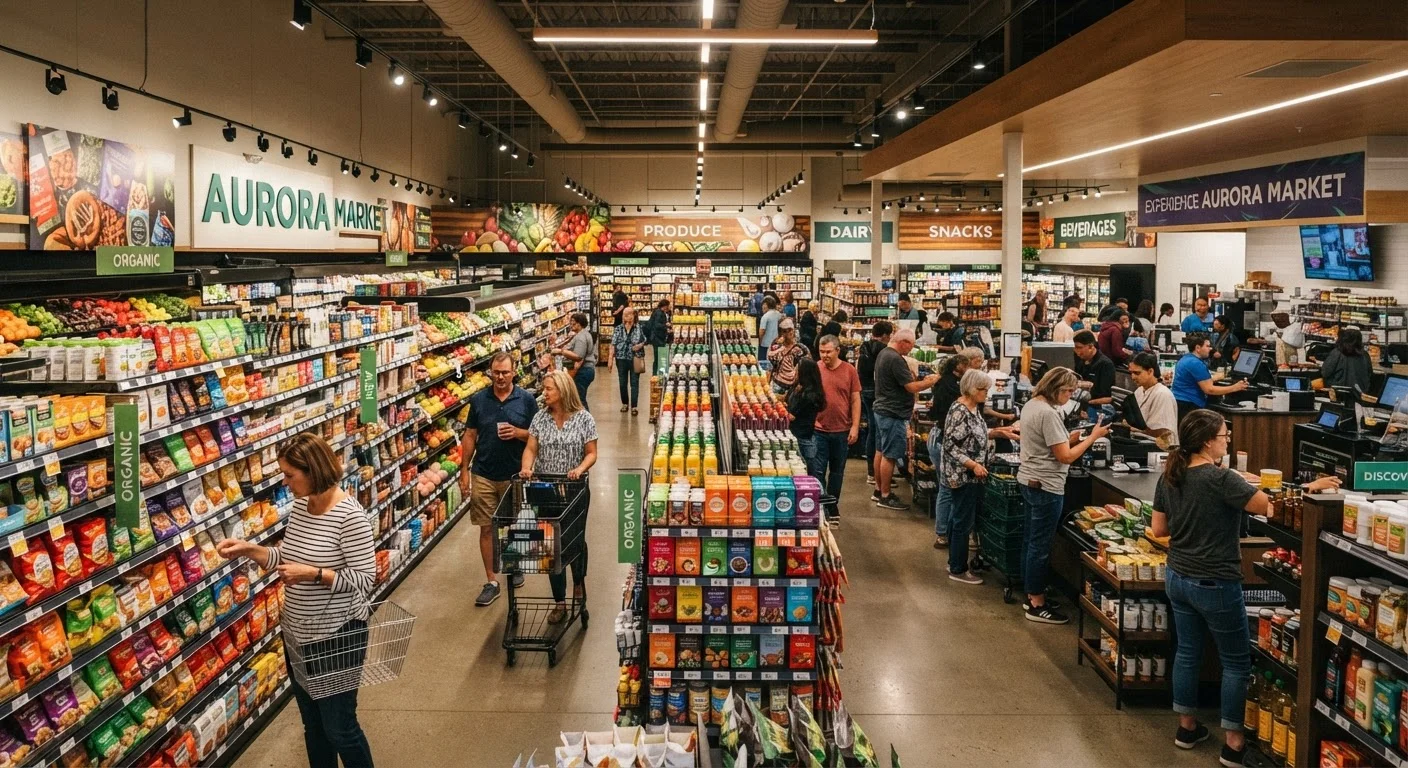
Grocery and big-box stores are laid out deliberately. High-frequency items - milk, bread, eggs - are typically placed at the back or far corners, so shoppers pass more products on the way. Eye-level shelving commands premium placement, often occupied by higher-margin items, while comparable alternatives sit lower down. End-cap displays suggest urgency or popularity, even when they're not on sale.
Navigating with a list and a rough route through the store reduces the number of unplanned encounters with products engineered to catch your eye. For more on building this kind of intentional habit, see habits that separate thoughtful shoppers from reactive ones.
Eye-level shelving is prime real estate - filled with higher-margin products, not necessarily better ones.
Bundling Makes Extra Items Feel Free
"Buy two, get one free" or bundled product sets make it feel as though you're getting something for nothing. In reality, you may be spending more in total than you intended. Bundles work because the per-unit math seems favorable - but only if you actually need the additional items. Unused products that expire, sit in storage, or get discarded represent a net loss, not a saving.
Bundling is also common in subscription contexts, where additional services are added to a core plan. The piece on subscription traps and free trials covers a closely related pattern worth understanding.
A bundle only saves money if you genuinely use every item included.
Scarcity and Urgency Cues Short-Circuit Deliberation
"Only 3 left in stock," countdown timers, and "today only" language are designed to trigger loss aversion - the psychological tendency to fear missing out more than we value equivalent gains. Urgency compresses the decision window, reducing the time available to compare, reflect, or simply walk away. Research in behavioral economics consistently shows that perceived scarcity increases willingness to pay and reduces price sensitivity.
When you feel rushed by a deadline or low-stock warning, that's a good moment to pause. Ask whether you'd regret not having the item in a week - not in the next five minutes.
Countdown timers reduce your decision window on purpose - slow down when you feel rushed.
Loyalty Programs Encourage Spending to Earn Rewards
Points, cashback tiers, and reward thresholds can encourage shoppers to spend more than planned in order to hit a target. Spending an extra $20 to unlock a $5 reward represents a net loss unless you were going to make that purchase anyway. Loyalty programs collect detailed behavioral data as well, which allows retailers to send targeted promotions timed to individual spending patterns.
Loyalty programs aren't inherently problematic - they can offer genuine value for purchases you'd make regardless. The key is using them passively rather than letting the reward structure drive the purchase decision.
Spending extra to earn a reward often costs more than the reward is worth.
Checkout Zones and Small-Item Placement Drive Last-Minute Adds
The area around the checkout - whether physical or digital - is prime real estate for low-cost impulse items. In physical stores, magazines, snacks, and accessories fill the queue. In online carts, "frequently bought together" and "add for free shipping" prompts appear just before you confirm. These placements exploit decision fatigue: by the time you reach checkout, your mental resistance to small purchases is lower.
Impulse purchases follow predictable psychological patterns - and the checkout zone is one of the most engineered environments designed to trigger them. Setting a personal rule around checkout additions (e.g., "nothing I didn't plan for") is one of the simplest protective habits you can build.
Decision fatigue at checkout makes low-cost impulse items especially hard to resist.
Building Habits That Give You the Upper Hand
No single tactic is impossible to counter once you know what to look for. A short list before you shop, a pause before checkout, and a habit of checking unit prices rather than headline prices are low-effort practices with consistent payoffs.
The broader goal isn't to become a suspicious shopper - it's to stay oriented to your own priorities rather than the ones the environment is designed to create. If you're working on keeping purchases in line with a monthly plan, the resources on budgeting basics offer practical frameworks for doing exactly that.
Write Your List Before You Enter
A written shopping list - even a short one - significantly reduces the impact of in-store layout tactics and impulse placements. It gives you a clear scope for the trip before environmental cues start competing for your attention. For online shopping, adding items to a cart and waiting 24 hours before checkout serves a similar purpose.
For shoppers building these habits for the first time, a structured starting point can make the process less overwhelming. The goal is steady, realistic improvement - not perfection on every trip.