Why the Energy Star Label Deserves a Closer Look
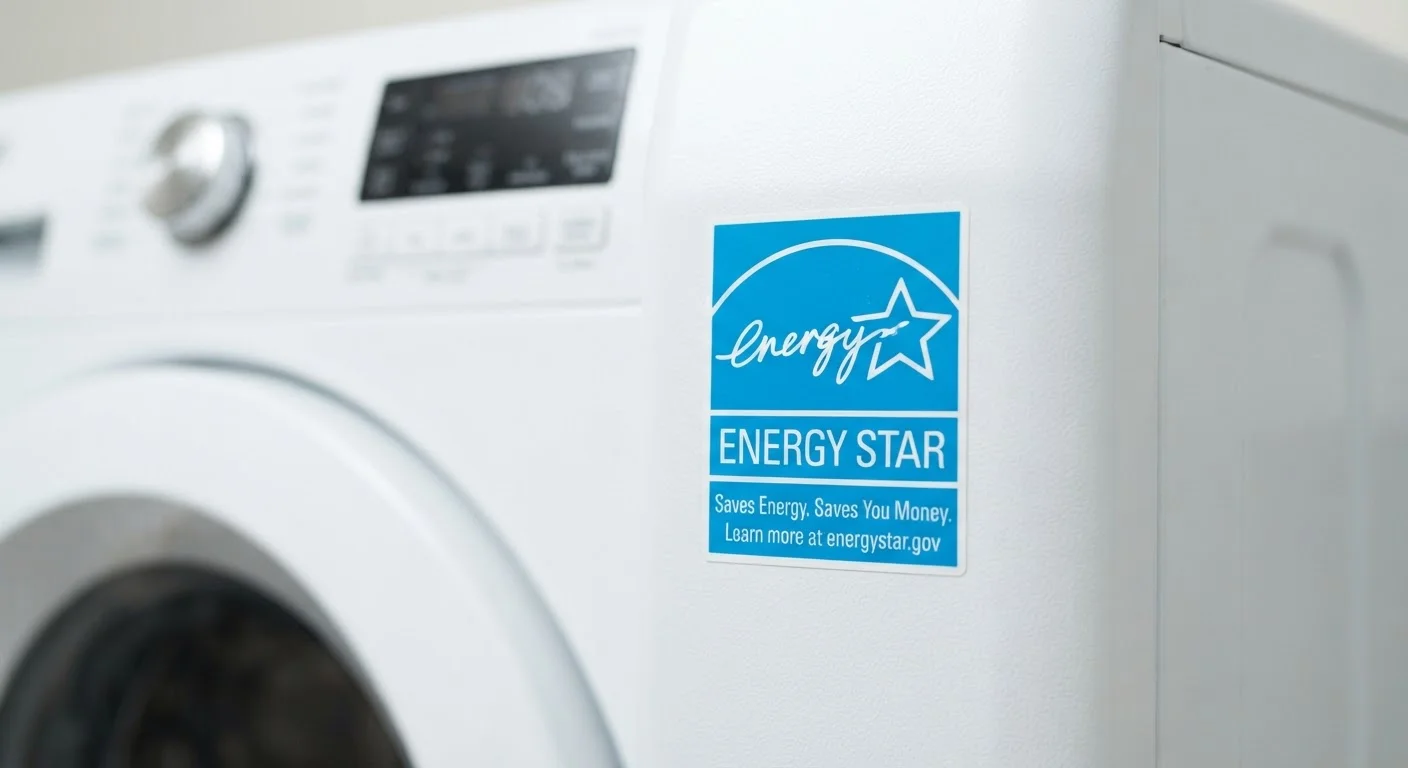
The Energy Star program, administered jointly by the U.S. Environmental Protection Agency (EPA) and the Department of Energy, has been certifying energy-efficient products since 1992. Today that blue label appears on everything from refrigerators and laptops to windows and commercial boilers. Most consumers treat it as a straightforward seal of approval - if it has the label, it saves energy. The reality is more layered.
Energy Star sets category-specific efficiency thresholds. A product earns the label by meeting or exceeding those thresholds, but what that means in practice depends entirely on the product type, the testing methodology used, and how recently the standards were updated. Understanding those distinctions helps you use the label as one useful data point rather than a purchasing shortcut.
Just as knowing how to read a nutrition label reveals the gap between marketing and actual content, understanding Energy Star requires looking past the badge itself.
Myth
All Energy Star products go through the same rigorous independent testing before certification.
Fact
Testing requirements vary by product category. Some categories require third-party lab verification; others allow manufacturers to self-certify based on their own test data.
The EPA has moved toward more third-party testing over time, but the program has historically relied on a combination of manufacturer self-reporting and EPA spot-checks. The 2010 Government Accountability Office investigation famously found that fictional products - including a gas-powered alarm clock - were provisionally approved through the self-certification pathway. The EPA has since tightened oversight, but the degree of independent verification still differs across the program's roughly 75 product categories. When accuracy matters, check the specific certification pathway for the category you're evaluating.
Myth
An Energy Star label means the product is among the most efficient available on the market.
Fact
It means the product meets a minimum efficiency threshold set for its category - many certified products cluster just above that line, not at the top.
The EPA designs thresholds to cover roughly the top 25% of the market by efficiency in a given category, but that calculation is based on the market at the time the standard was written. In fast-moving categories like televisions and computers, the baseline shifts quickly, and a product can carry a valid label while performing modestly relative to newer models. The EPA does offer a separate Energy Star Most Efficient designation for products that represent the leading edge - if top-tier performance matters, look for that specific sub-label rather than the standard one.
Myth
The Energy Star label guarantees you'll save money on your utility bills.
Fact
Certification indicates relative efficiency, not a guaranteed dollar amount saved - actual savings depend on your usage habits, local utility rates, and what you're replacing.
The EPA publishes estimated annual savings figures for many categories, but these are based on national average usage and average electricity rates, which may differ substantially from your region and habits. If you run a certified dishwasher twice a day instead of the assumed once, or live in a state with above-average electricity costs, your savings will look different. Think of the label as increasing the potential for savings, not locking them in.
Myth
Once a product is Energy Star certified, it stays certified indefinitely.
Fact
The EPA periodically revises certification thresholds, and older certified products are not automatically reassessed against the new standards.
When the EPA raises the bar in a product category, manufacturers must requalify new models - but products already sold with the old label retain it. This means a five-year-old Energy Star refrigerator may fall below current certification thresholds even though it legitimately earned the label when purchased. If you're using the label to compare appliances across different model years or to assess a used appliance, check the year the specific model was certified against the current standard for that category.
Myth
Energy Star covers environmental impact broadly, including emissions from manufacturing.
Fact
Energy Star certification addresses operational energy efficiency only - it does not evaluate manufacturing emissions, material sourcing, end-of-life disposal, or full lifecycle impact.
The program is specifically scoped to how much energy a product consumes during use. Carbon footprint from production, shipping, and disposal are outside its framework. Consumers interested in lifecycle environmental impact should look for complementary certifications or program-specific disclosures, understanding that no single label currently captures the full picture for most product categories.
How to Use the Label Wisely
The Energy Star label is most useful when you compare it alongside the yellow EnergyGuide label, which appears on most major appliances. The EnergyGuide provides an estimated annual energy cost and a range showing how similar models compare - giving you a concrete number rather than a pass/fail badge. Together, these two labels tell a fuller story.
~75
Product categories covered by Energy Star
The EPA's Energy Star program spans roughly 75 distinct product categories, each with its own efficiency threshold and testing methodology.
Top 25%
Market efficiency target at standard-setting
EPA guidelines aim to certify products representing approximately the top quarter of the market by efficiency when a category standard is established.
Sizing and usage patterns matter as much as the label. A certified refrigerator that's larger than you need will consume more energy than a smaller non-certified unit. Similarly, a certified washing machine used on a hot water setting repeatedly may underperform its efficiency rating. Think of the label as establishing a ceiling of efficiency potential - your actual savings depend on how you use the product.
The program does publish its efficiency specifications publicly at energystar.gov, broken down by product category. Checking the specific threshold for the category you're shopping in takes a few minutes and gives you a concrete standard to evaluate. It's the same habit that applies when decoding any product label - whether you're weighing store brands against name brands or parsing certification claims on any consumer good.
Don't Rely on the Label Alone for Rebates
Many utility rebate programs require a product to meet Energy Star certification, but some have additional requirements - specific efficiency tiers, model list eligibility, or purchase date restrictions. Before buying with a rebate in mind, verify your model appears on your utility's approved product list. Rebate terms vary by program and change frequently; confirmation before purchase avoids disappointment.
This article provides general educational information about product certification programs and is not a substitute for consulting product specifications, utility rebate guidelines, or a qualified energy auditor for decisions specific to your home.