Thread Count: What the Number Actually Measures
Thread count is the total number of threads woven into one square inch of fabric - counting both the horizontal threads (weft) and vertical threads (warp). In theory, a higher count means a finer, denser weave. In practice, the relationship breaks down quickly above a certain threshold.
Most textile experts and consumer testing organizations have found that thread counts above roughly 400-500 deliver little noticeable improvement in softness or longevity. The more important factor is fiber quality. Sheets woven from long-staple cottons - where individual fibers are longer and therefore smoother - will feel softer and last longer than sheets made from short-staple cotton with an inflated thread count.
The inflation problem is real. Some manufacturers count each ply within a twisted multi-ply yarn as a separate thread. A two-ply yarn counted this way doubles the headline number without changing how the fabric actually feels. When comparing sheets, look for the fiber type listed alongside the thread count - it tells you much more.
Look for Fiber Certification, Not Just Thread Count
Labels from organizations like OEKO-TEX or the Better Cotton Initiative indicate fiber sourcing and safety standards - a more reliable quality signal than thread count alone. When a label specifies 'combed' or 'long-staple' cotton, those terms indicate finer fibers that tend to produce softer, more durable sheets.
Weave: The Structural Choice That Shapes the Feel
How threads are interlaced - the weave - determines a sheet's texture, breathability, drape, and how it holds up over time. The two most common weaves you'll see on bedding labels are percale and sateen.
- Percale uses a simple one-over, one-under interlacing pattern. The result is a crisp, matte fabric that breathes well and feels cool - a practical choice for warm climates or hot sleepers.
- Sateen interlaces four threads over and one under, producing a smooth, slightly shiny surface. It drapes fluidly and feels luxurious, but the exposed thread surface can snag more easily and tends to trap more heat.
- Twill weaves (including flannel) run threads diagonally, creating a soft, textured surface well suited to colder months.
- Jersey is a knit structure rather than a woven one - stretchy and casual, often used in T-shirt-style sheets.
The weave interacts with fiber type in important ways. Understanding both gives you a much clearer picture of how a sheet will actually feel on your bed. For a broader look at how fabric construction shapes everyday textiles, see our guide to fabric properties.
Weave Affects Durability Differently by Use
Sateen's exposed thread surface can pill or snag faster than percale, especially through frequent washing. If you launder sheets weekly or have active sleepers in the household, a percale or twill weave may hold up better over time - even if sateen feels more appealing in the store.
Fill Power: The Key Metric for Down Duvets and Pillows
Fill power applies specifically to down-filled products - duvets, comforters, and pillows. It measures how many cubic inches one ounce of down occupies when allowed to fully expand. The loftier the down, the more air it traps per ounce, and the warmer it is relative to its weight.
600+
Fill power considered high quality for down
Consumer bedding guides and textile industry standards generally classify fill power at or above 600 as high quality, with 700+ considered premium.
200-400
Thread count sweet spot for most consumers
Textile experts and independent consumer testing generally find that well-made sheets in this range offer durability and comfort comparable to much higher-count alternatives.
Consumer-grade down typically ranges from around 400 to 500 fill power. Products labeled 600 and above are considered high quality; anything above 700 is premium. Keep in mind that fill power measures the quality of the down, not the quantity inside your duvet. You also need to look at fill weight - the total ounces of down used - to understand overall warmth.
A lightweight summer duvet might use high fill power down at a low fill weight, while a winter duvet uses more fill weight to deliver deep warmth. Both numbers together tell the full story. Synthetic-fill duvets do not use fill power ratings; instead, look for warmth descriptors or tog ratings on the label.
Pairing the right duvet with the right mattress setup also matters - our mattress types explainer can help you think through how your sleep surface and bedding work together.
Reading the Full Label: Putting It All Together
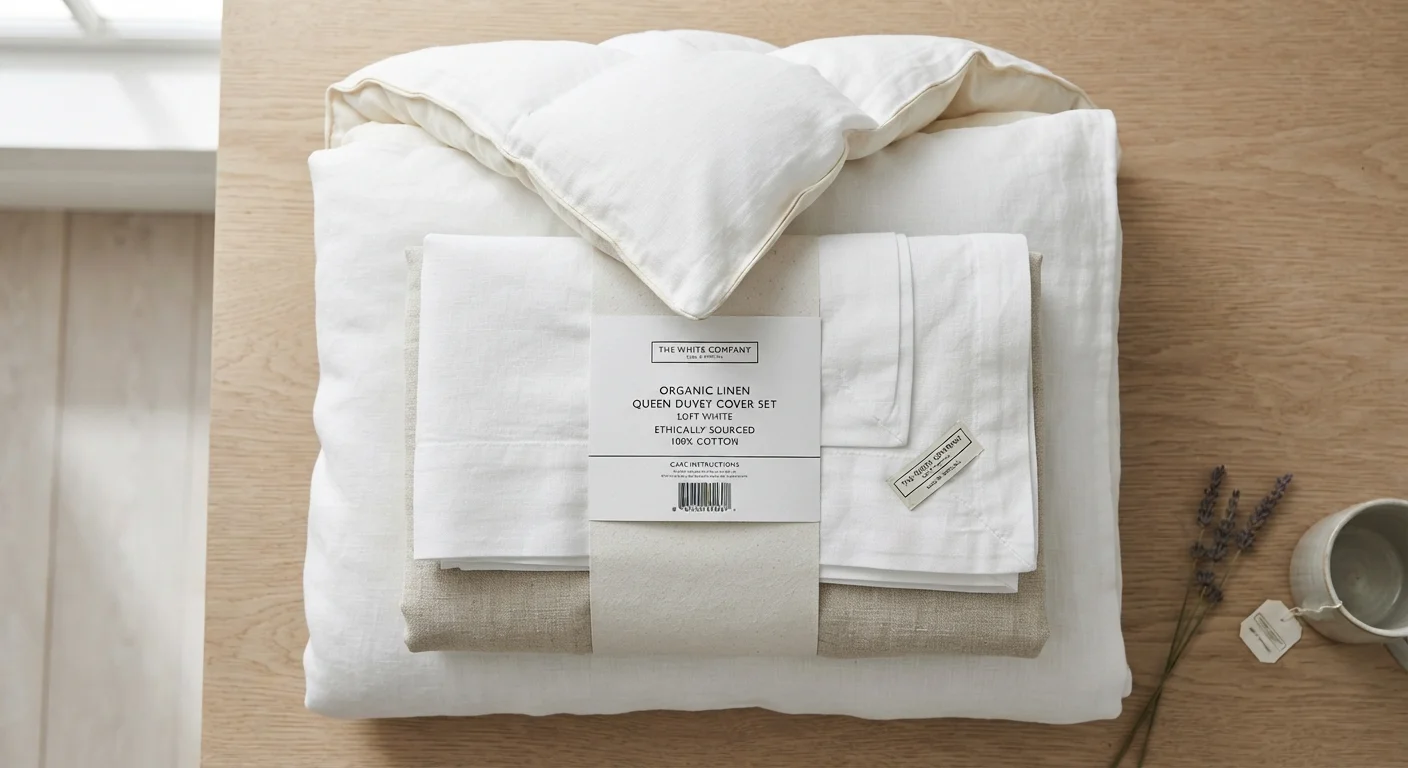
No single number on a bedding label tells the whole story. A sheet with a modest thread count in a certified long-staple cotton, woven in percale, will likely outperform a 1,000-count sheet made from short-staple fibers. A duvet with a fill power of 650 at a generous fill weight will sleep warmer than one with an 800 fill power and minimal fill weight.
When evaluating a bedding label, consider these factors together:
- Fiber type and staple length - the foundation of quality for woven sheets.
- Thread count in context - useful within the 200-500 range; treat anything higher with skepticism.
- Weave - determines breathability, texture, and durability.
- Fill power and fill weight together - both are needed to assess a down product's warmth-to-weight ratio.
Smarter label-reading habits apply across many consumer categories. The Smarter Shopping hub covers additional strategies for cutting through packaging language and evaluating everyday products on their actual merits.