What the Price Tag Leaves Out
When a new gadget catches your eye, the listed price feels like the whole story. It rarely is. The retail cost of a smartphone, laptop, or smart home device typically reflects only the hardware - it says nothing about what you'll spend over the months and years that follow. These secondary costs don't arrive all at once, which makes them easy to overlook until they've quietly added up to a significant sum.
This pattern isn't limited to electronics. The same dynamic plays out with vehicles - our guide to the true cost of car ownership covers how purchase price is just the entry point. For electronics, the gap between sticker price and total cost of ownership can be just as wide. Understanding these hidden costs before you buy puts you in a much stronger position to make a decision you won't regret.
Proprietary Accessories and Cables
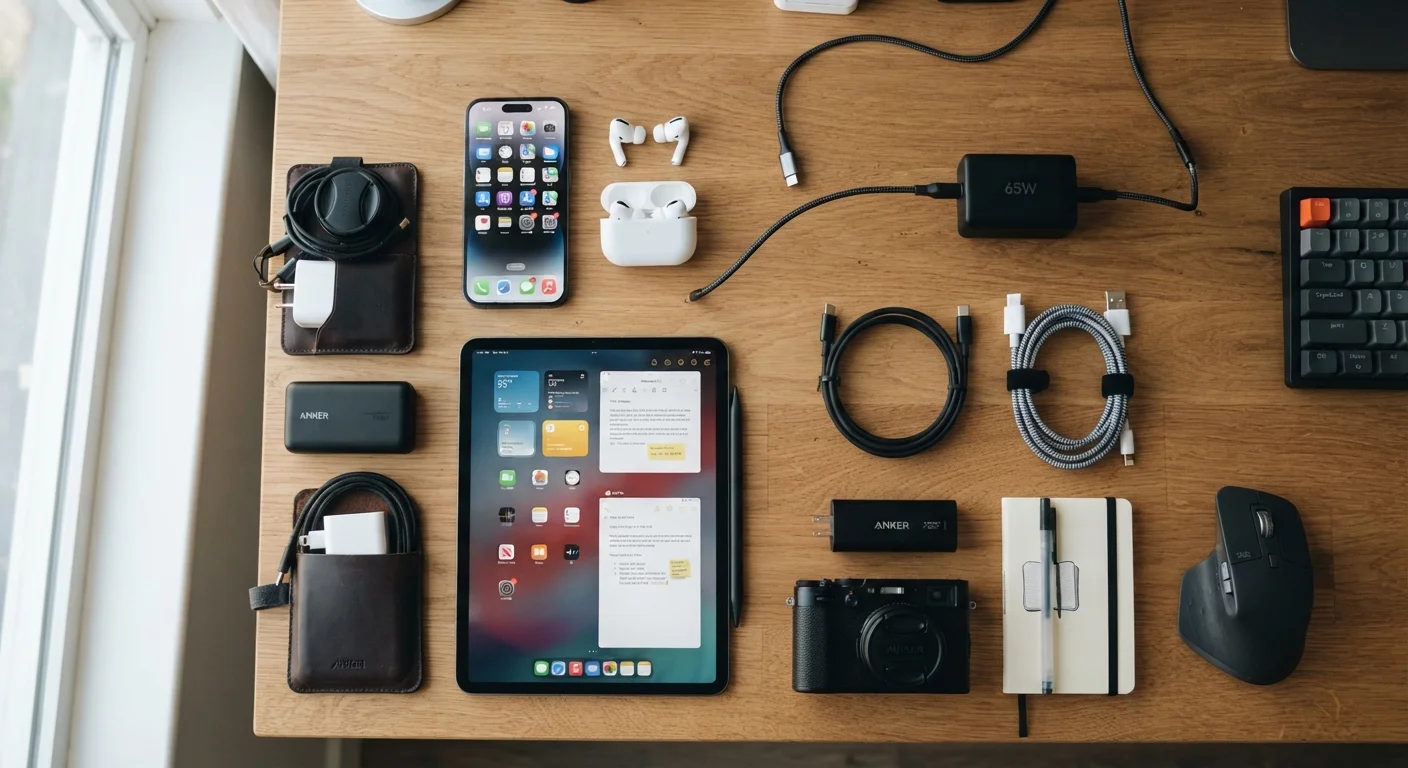
Many devices - particularly smartphones and laptops - use proprietary connectors, charging bricks, or styluses that aren't interchangeable with other brands. When these accessories wear out or get lost, replacements often carry a significant markup compared to generic alternatives. A single manufacturer-branded cable, case, or stylus can cost $30-$100 or more, and over a device's lifespan, these small purchases accumulate.
Before purchasing a device, check whether it uses widely adopted standards (such as USB-C) or proprietary ports. Compatibility with accessories you already own can meaningfully reduce long-term costs.
Proprietary accessories often carry steep markups - compatibility with open standards keeps replacement costs down.
Bundled and Auto-Renewing Subscriptions
Devices frequently come with promotional subscriptions - cloud storage, streaming services, music platforms, or software suites - offered free for a limited period. After the trial, these plans auto-renew at full price unless actively cancelled. Across multiple devices and platforms, these charges can quietly consume $20-$60 or more per month.
The habit of auditing your active subscriptions every few months pays off consistently. List every service tied to a device you own and evaluate whether you're actively using it. For more on how these structures work, see our article on free trials that turn into ongoing charges.
Auto-renewing subscriptions across multiple devices can quietly drain $20-$60 or more each month.
Out-of-Warranty Repairs
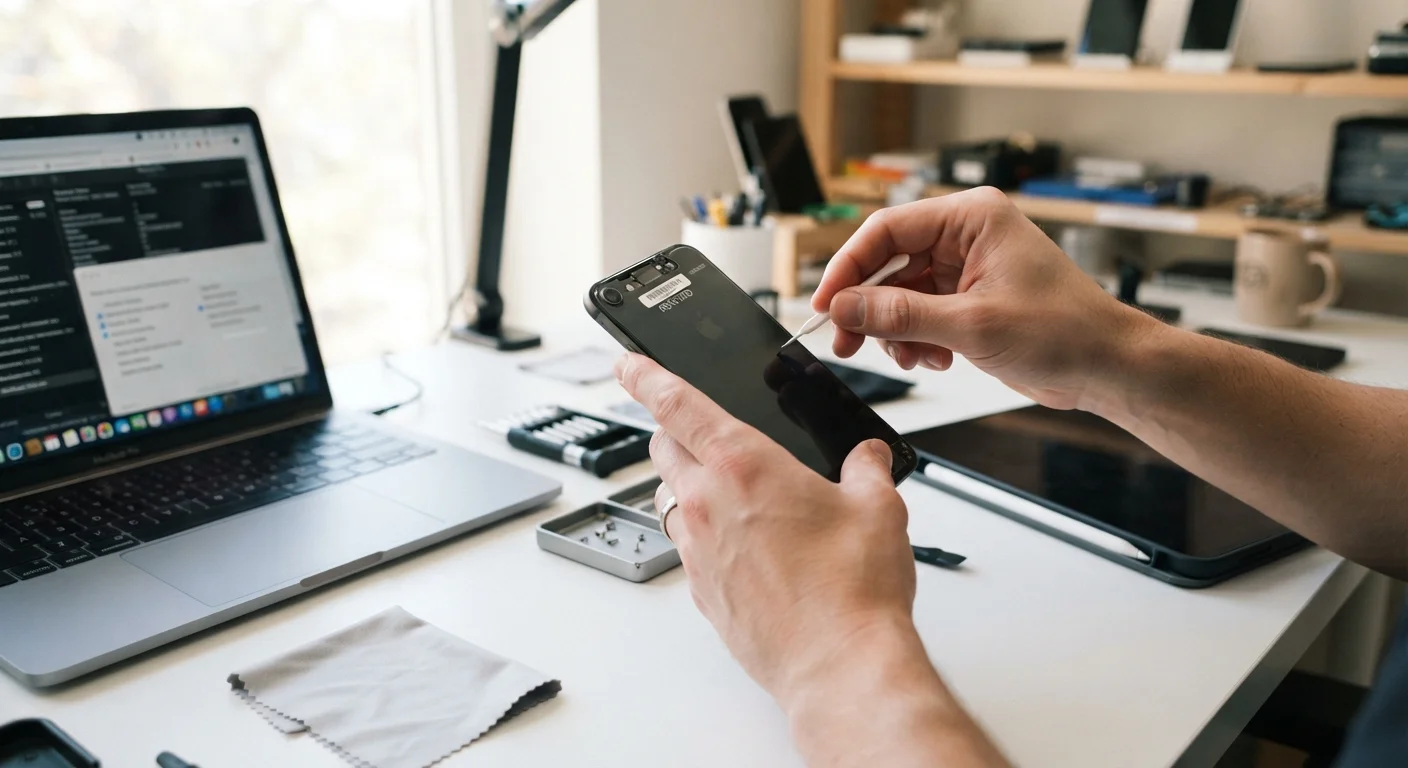
Consumer electronics warranties typically cover manufacturing defects for one year. Accidental damage - a cracked screen, liquid exposure, or a failed battery - is almost always excluded. Out-of-warranty screen replacements on popular smartphones, for instance, are commonly quoted at $150-$350 depending on the device. Battery replacements, keyboard repairs, and charging port fixes add similar costs.
Extended protection plans can offset some of this risk, but they come with their own price and conditions. The key is to factor repair probability into your purchase decision rather than discovering the cost when something breaks.
Out-of-warranty screen repairs alone can run $150-$350 - a cost most people don't factor in at purchase.
Cloud Storage Upgrades
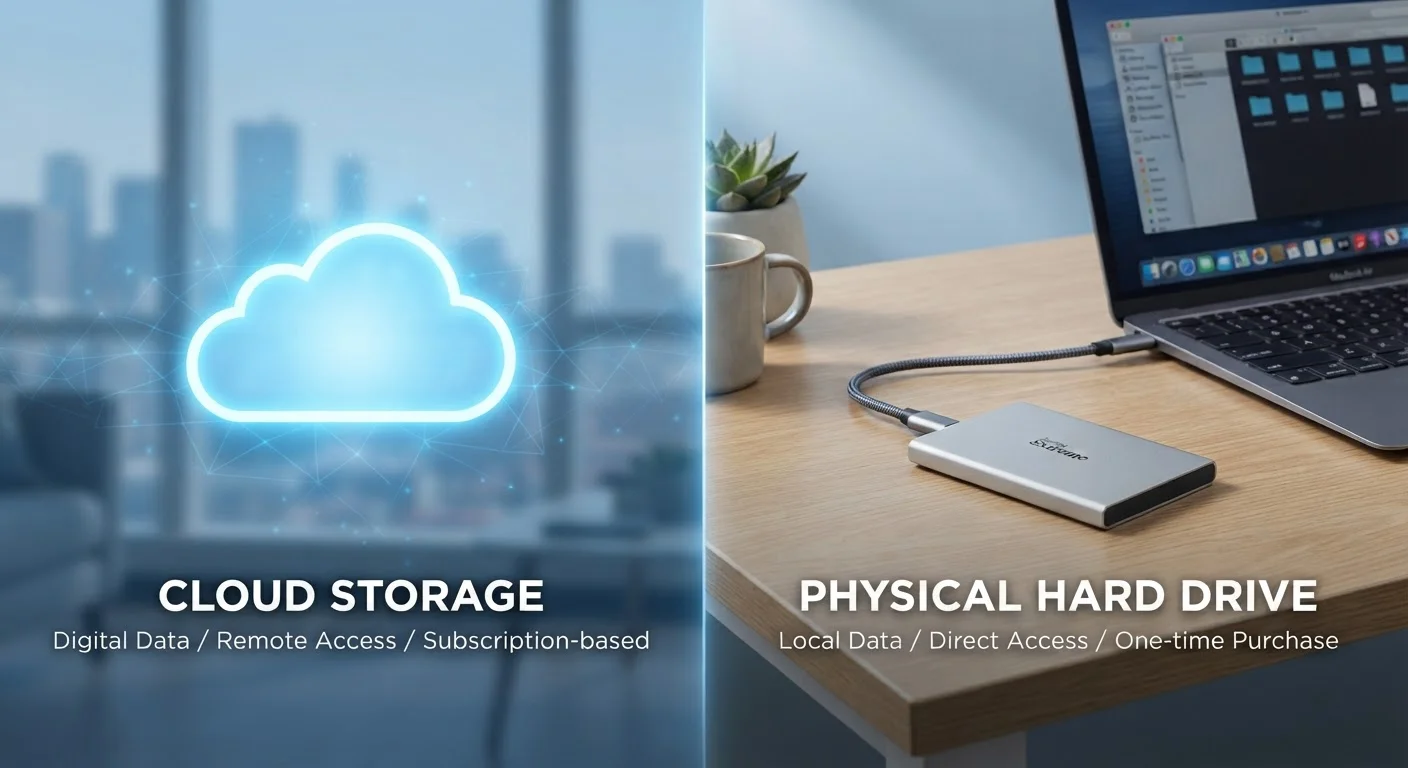
Most devices come with a modest amount of free cloud storage - often 5-15 GB - which fills quickly once photos, videos, backups, and app data are included. Upgrading to a usable storage tier commonly costs $1-$10 per month per account, and households with multiple users or devices may pay for several accounts simultaneously. Over three years, that adds up to $36-$360 or more, depending on the tier.
Before paying for additional cloud storage, it's worth evaluating whether local storage solutions - such as an external drive - could serve some of the same function at a lower long-term cost.
Cloud storage upgrades may seem minor monthly, but household-wide costs compound significantly over three years.
E-Waste Disposal and Data Migration
When a device reaches end of life, responsible disposal isn't always free. Some municipalities charge for e-waste drop-off, and retailer take-back programs vary in availability and scope. Beyond disposal, migrating data from an old device to a new one - especially across different ecosystems - can require paid software, professional help, or significant time investment.
These are easy costs to ignore when buying something new, but they're a real part of the ownership cycle. Budgeting a small amount for end-of-life handling helps avoid a last-minute scramble.
E-waste disposal and data migration are real end-of-life costs that rarely appear in any pre-purchase calculation.
Electricity and Connectivity Costs
Electronics draw power continuously - not just when actively in use. Smart home devices, routers, streaming sticks, and game consoles in standby mode all contribute to your electricity bill. While individual devices add only a few dollars annually, a home with a dozen or more connected gadgets sees a more meaningful impact. Our article on running costs of household appliances explores this in detail.
Additionally, data-heavy devices may push households toward higher-tier internet plans, adding $10-$30 per month versus a basic connection. Connectivity costs are infrastructure, not optional - and they scale with device count.
A home with many connected devices may need a pricier internet plan - connectivity costs scale with gadget count.
Building Ownership Costs Into Your Budget
The most practical move is to treat any electronics purchase as a multi-year cost rather than a single transaction. Before buying, estimate what accessories, subscriptions, and potential repairs might run over a two- to three-year window, then weigh that total against the device's value to you. This approach also helps you compare options more honestly - a lower-priced device with expensive proprietary accessories may cost more over time than a pricier one with standard connectors.
Track Total Cost Before You Buy
Before purchasing any device, spend five minutes estimating its likely two-year cost: list expected accessories, any subscriptions it requires, one potential repair, and disposal. This gives you a realistic number to compare against alternatives and helps surface whether a lower-priced device is actually cheaper over time.
Electronics aren't the only spending category that catches people off guard. Our article on budget line items people commonly miss covers other expenses that tend to slip through the cracks. For a deeper look at subscription-specific traps, how free trials become ongoing charges is worth reading before you hand over payment details at checkout.