
How Free Trials Are Designed to Become Paid Subscriptions
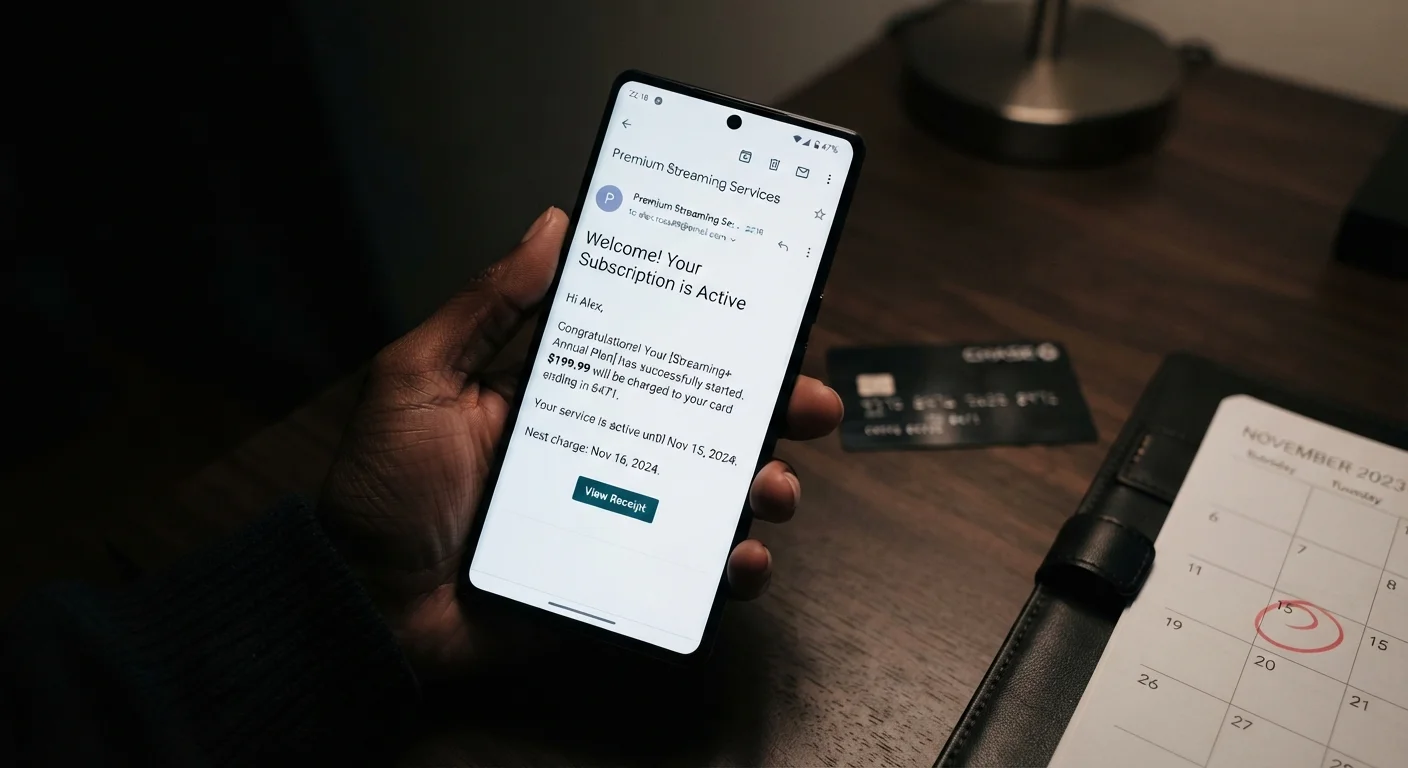
A free trial feels low-risk: you get access to a service, and if you don't like it, you stop. The catch is that most trials are built on what the Federal Trade Commission calls a negative option model - your silence is treated as consent to continue. You don't have to agree to pay; you simply have to fail to cancel in time.
This structure is legal and widely used across streaming platforms, software tools, meal kit services, and digital publications. The business logic is straightforward: a meaningful percentage of trial users forget to cancel, and those users become paying subscribers without making an active decision to do so.
Understanding this design isn't about assigning blame - it's about knowing the rules of the game before you play. The same critical-reading instinct you'd apply when reviewing a return policy applies here: the terms matter, and they're there if you look for them.
Why These Charges Slip Through and What to Do About It
Subscription charges are easy to miss because they're often small, recurring, and blend into a long bank statement. A $9.99 monthly charge rarely triggers immediate concern - until you realize you've been paying it for eight months without using the service. These types of costs are among the spending categories most budgets forget to include, precisely because they feel passive rather than deliberate.
The most practical defense is a simple habit: review your card and bank statements monthly, line by line. Many financial apps can filter recurring transactions, making it easier to spot charges you no longer recognize or use. If you find one, contact the merchant directly - many will issue at least a partial refund if you haven't been using the service, though this isn't guaranteed.
Subscription creep - the gradual accumulation of small recurring charges - can quietly erode a monthly budget. Tackling it is a natural complement to broader budgeting basics work, and it connects directly to saving and debt goals that depend on keeping fixed outflows in check.
It's also worth noting that subscription charges drawing your account low can contribute to overdraft fees - a compounding cost that starts with a forgotten trial. Staying aware of your recurring commitments isn't just about subscriptions; it's about protecting your overall financial picture.
This article is for general informational purposes only and does not constitute financial or legal advice. Consumers should review their own account agreements and consult a qualified professional for guidance specific to their situation.