
Why Protein Quality Matters More Than Quantity Alone
Most nutrition conversations focus on hitting a daily protein number, but the quality of that protein - specifically its amino acid profile and how well your body absorbs it - shapes how useful it actually is. Proteins are made up of 20 amino acids, nine of which are considered essential because the body cannot produce them on its own.
Animal proteins (meat, poultry, fish, eggs, and dairy) are typically complete proteins, meaning they supply all nine essential amino acids in proportions the body can readily use. Plant proteins, with a few notable exceptions like soy and quinoa, tend to be lower in one or more essential amino acids. This doesn't make them inferior - it simply means variety and combination matter more when building a plant-based plate.
For a broader look at how eating patterns compare overall, see plant-based vs. omnivorous diets.
| Animal Proteins | Plant Proteins | Mixed/Flexitarian | |
|---|---|---|---|
| Amino acid completeness | Complete (all 9 essential) | Often incomplete individually | Complete when combined |
| Digestibility (DIAAS) | Generally high (0.9-1.1) | Moderate to high (0.5-1.0) | Varies by food mix |
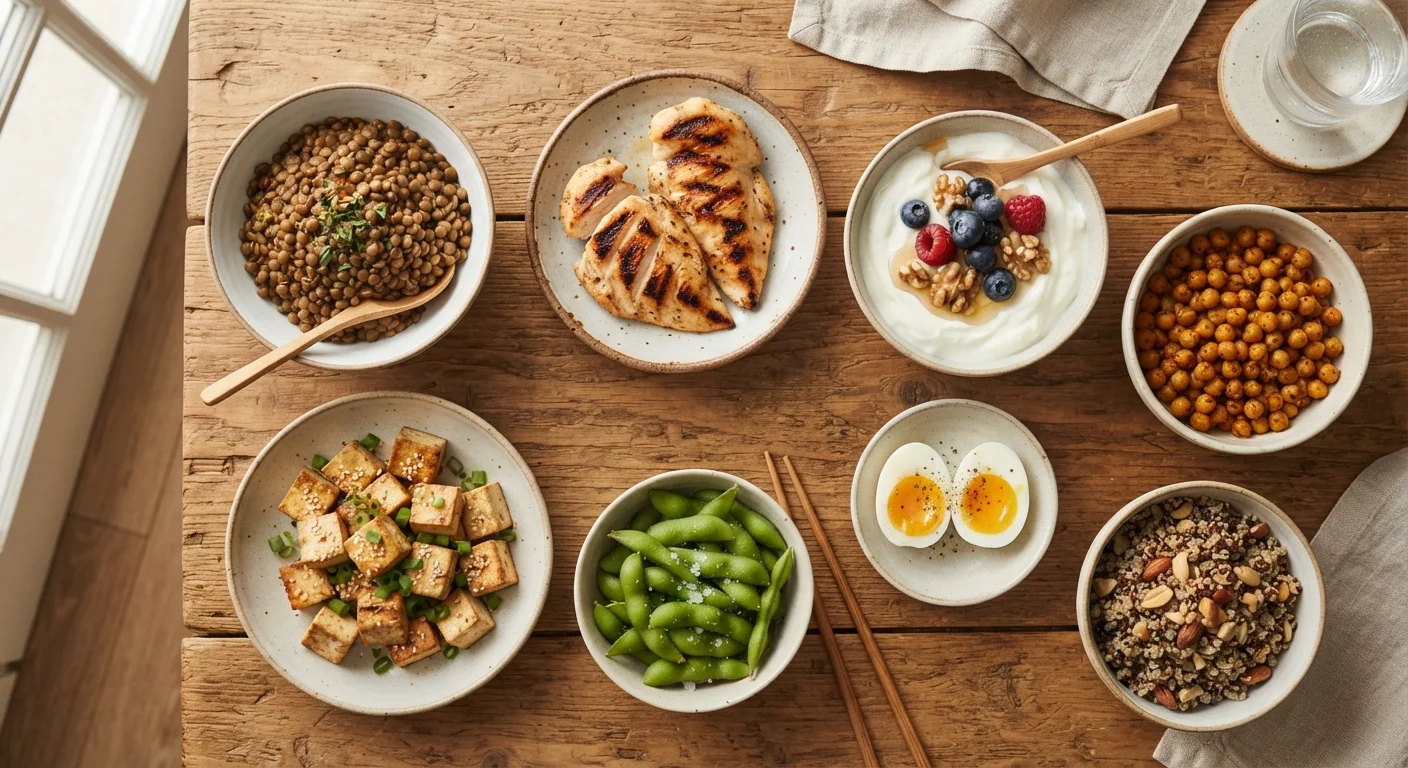
| Common sources | Eggs, chicken, fish, dairy | Lentils, tofu, edamame, quinoa | Both categories combined |
| Saturated fat content | Higher in red/processed meat | Generally low | Depends on animal choices |
| Fiber content | None | Significant | Moderate to significant |
| Meal planning complexity | Low - sources are self-sufficient | Moderate - variety needed | Low to moderate |
| Accessibility and cost | Varies; some (eggs) are affordable | Legumes and grains are low cost | Flexible across budgets |
Digestibility: How Much Protein Actually Gets Absorbed
Scientists often use a measure called the PDCAAS or the more current DIAAS to assess protein quality. These scores account for both amino acid completeness and how efficiently the digestive system absorbs the protein.
Animal proteins like eggs, whey, and casein score near the top of these scales. Many plant proteins score lower due to the presence of antinutrients - compounds like phytates and tannins found in legumes and grains that can reduce absorption. However, cooking, soaking, fermenting, and sprouting significantly reduce antinutrient levels, improving plant protein bioavailability.
Simple Ways to Improve Plant Protein Absorption
Soaking dried beans overnight and discarding the soaking water reduces phytates before cooking. Fermenting soy into tempeh or miso significantly boosts bioavailability. Lightly sprouting lentils or chickpeas also improves their digestibility. These small prep steps add up meaningfully over time without requiring a diet overhaul.
This doesn't mean plant eaters are at a disadvantage, but it does mean that total intake recommendations may be slightly higher to account for efficiency differences - something a registered dietitian can help you work through.
Comparing Common Protein Sources Side by Side
Understanding how specific foods stack up helps make everyday meal decisions more intentional. Below is a practical comparison of widely available protein sources across the most relevant nutritional dimensions.
~26g
Protein per 3 oz cooked chicken breast
Chicken breast is one of the most protein-dense whole foods, according to USDA FoodData Central.
~18g
Protein per cup of cooked lentils
Lentils are among the highest-protein legumes and also provide substantial iron and fiber, per USDA data.
~20g
Protein per cup of cooked edamame
Edamame (immature soybeans) is one of the few plant foods considered a complete protein source.
Keep in mind that protein content per serving varies with cooking method and preparation. Pairing plant proteins strategically - rice with beans, peanut butter on whole-grain bread - creates complementary amino acid profiles across a meal or day. For guidance on choosing minimally processed versions of any of these foods, understanding whole vs. processed foods is a useful starting point.
Building a Protein Strategy That Fits Your Life
Rigid rules about protein sources rarely lead to sustainable habits. Instead, consider a few practical principles that apply regardless of your eating style:
- Spread intake throughout the day. Research suggests that distributing protein across meals - rather than loading it all at dinner - supports muscle protein synthesis more effectively.
- Prioritize whole food sources over heavily processed protein products when possible. Whole foods bring along fiber, vitamins, and minerals that isolated protein supplements don't.
- Be flexible. A predominantly plant-based eater who occasionally includes eggs or dairy can meet protein needs with less planning. An omnivore who incorporates more legumes gains fiber and reduces saturated fat.
If fitness and performance are priorities, protein timing and amounts interact with your training routine in meaningful ways. The Fitness & Exercise hub covers how nutrition supports exercise goals in greater depth.
This article is for general informational purposes only and does not constitute medical or dietary advice. Speak with a qualified healthcare provider or registered dietitian before making significant changes to your diet, especially if you have existing health conditions.