
Why Water Belongs in Every Nutrition Conversation
Most nutrition advice focuses on what to eat - which foods to include, which to limit, how to balance macronutrients. But one of the most overlooked factors in how well your body actually uses food is water. Without adequate hydration, even a carefully planned diet can't perform at its best.
Water isn't just something you drink between meals. It's an active participant in digestion, metabolism, and the absorption of nutrients your body depends on. Understanding this relationship can help you build nutrition habits that are more effective and sustainable - without overhauling your entire diet. For a broader look at building those habits, see our guide to sustainable eating habits.
~75%
of Americans may be chronically under-hydrated
Estimates from various public health sources suggest a large portion of U.S. adults do not consistently meet their daily fluid needs.
1-2%
Body water loss that can impair metabolic function
Research in exercise physiology indicates that a body water deficit as small as 1-2% can noticeably reduce physical and cognitive performance.
20%
of daily water intake comes from food
According to general dietary guidance, roughly one-fifth of total fluid intake for most adults comes from solid foods, particularly fruits and vegetables.
How Water Supports Digestion from Start to Finish
Digestion begins in the mouth, where saliva - which is mostly water - starts breaking down food before it even reaches the stomach. From there, water continues to play a structural role at every stage:
- Stomach: Water helps dissolve food particles and supports the production of gastric juices needed to break down proteins and other nutrients.
- Small intestine: This is where most nutrient absorption happens. Water facilitates the movement of nutrients across the intestinal wall into the bloodstream.
- Large intestine: Adequate water intake prevents the colon from pulling too much fluid from waste material, which is one of the primary causes of constipation.
Dietary fiber, which plays its own important role in digestion, works most effectively when paired with sufficient water intake. Without it, fiber can actually worsen constipation rather than relieve it. Learn more in our article on dietary fiber and why most Americans fall short.
Pair Fiber with Fluids for Best Results
If you're increasing your fiber intake - whether through whole grains, legumes, or vegetables - it's important to increase your water intake alongside it. Fiber absorbs water as it moves through the digestive tract, and insufficient fluids can make a high-fiber diet uncomfortable. Aim to increase both gradually for the smoothest adjustment.
Hydration's Role in Nutrient Absorption and Metabolism
Once food is broken down, your body needs water to transport nutrients where they're needed. Water-soluble vitamins - including vitamin C and the B vitamins - dissolve in water and are carried through the bloodstream to cells. Minerals like sodium, potassium, and magnesium also depend on fluid balance for proper function.
Metabolism - the set of chemical processes that convert food into energy - relies on enzymatic reactions that require water as a medium. When hydration is low, these reactions can slow down, making the body less efficient at turning what you eat into usable fuel.
Mild Dehydration Can Be Easy to Miss
Symptoms of mild dehydration - such as low energy, difficulty concentrating, or slower digestion - are often attributed to other causes. By the time you feel notably thirsty, your body may already be operating with reduced efficiency. Consistent fluid intake throughout the day, rather than large amounts at once, tends to support better overall hydration status.
Understanding what's in your food is also part of this picture. If you're learning to eat more intentionally, our guide to reading nutrition labels can help you decode what you're actually consuming.
Practical Ways to Stay Hydrated Without Overthinking It
Improving hydration doesn't require tracking every ounce. A few consistent habits go a long way:
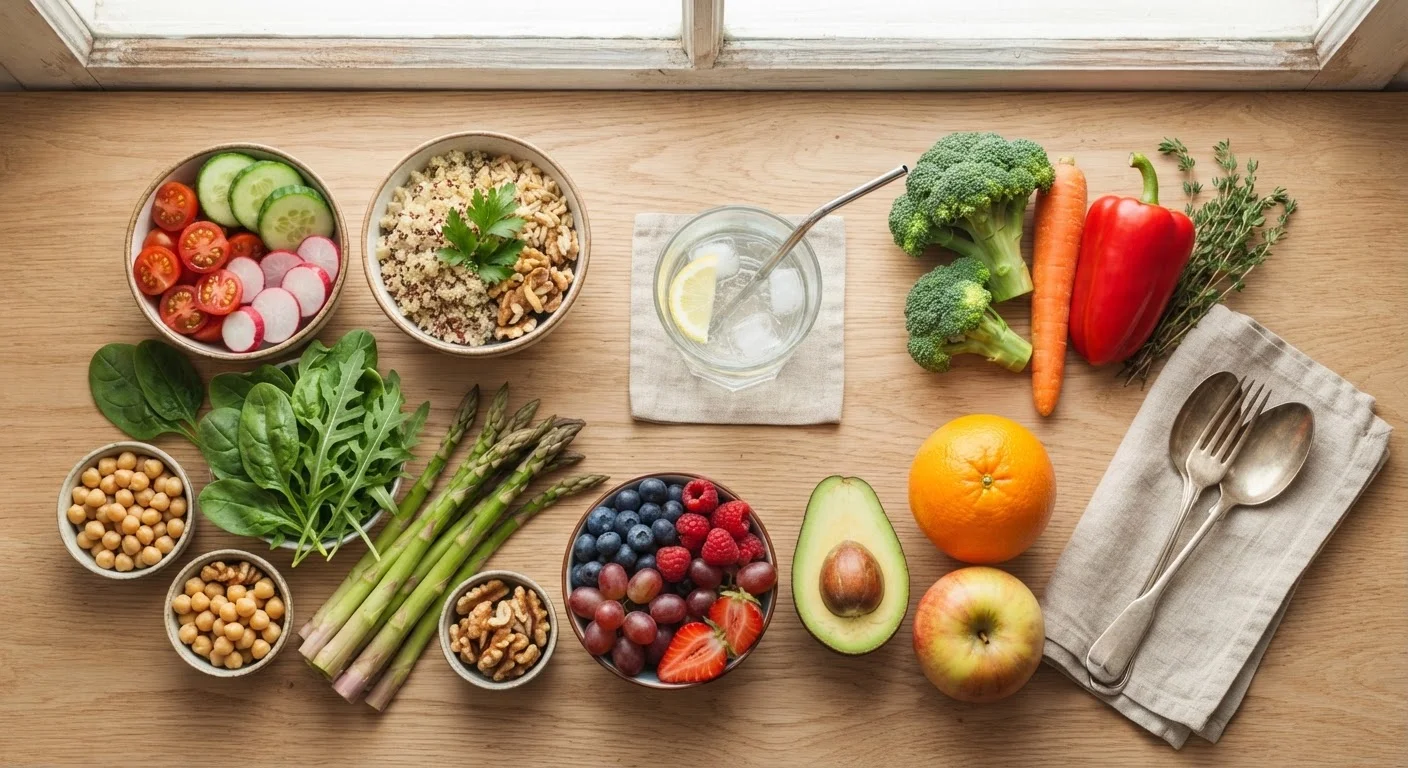
- Eat water-rich foods. Fruits and vegetables like cucumbers, strawberries, celery, and oranges contribute to your daily fluid intake alongside beverages.
- Drink water before and with meals. This supports the digestive process and helps your body prepare to absorb incoming nutrients.
- Pay attention to thirst cues - but don't rely on them exclusively. Thirst is a useful signal, but it can lag behind actual hydration needs, especially in older adults or during physical activity.
- Adjust for your life. Heat, exercise, illness, and dietary choices all affect how much water your body needs on any given day.
Nutritional needs also shift across life stages, and so do hydration requirements. Our article on nutrition across the life stages explores how these needs evolve over time.
This article is for general informational purposes only and is not a substitute for medical or nutritional advice. Consult a qualified healthcare provider for guidance specific to your health needs.