Why Closing Costs Catch So Many Buyers Off Guard
For most homebuyers, the down payment dominates financial planning. It's the big number — the one requiring months or years of saving. But closing costs, which typically range from 2% to 5% of the loan amount, represent a significant second wave of expenses that many buyers underestimate or don't anticipate at all. On a $350,000 mortgage, that's between $7,000 and $17,500 due at the closing table, on top of the down payment.
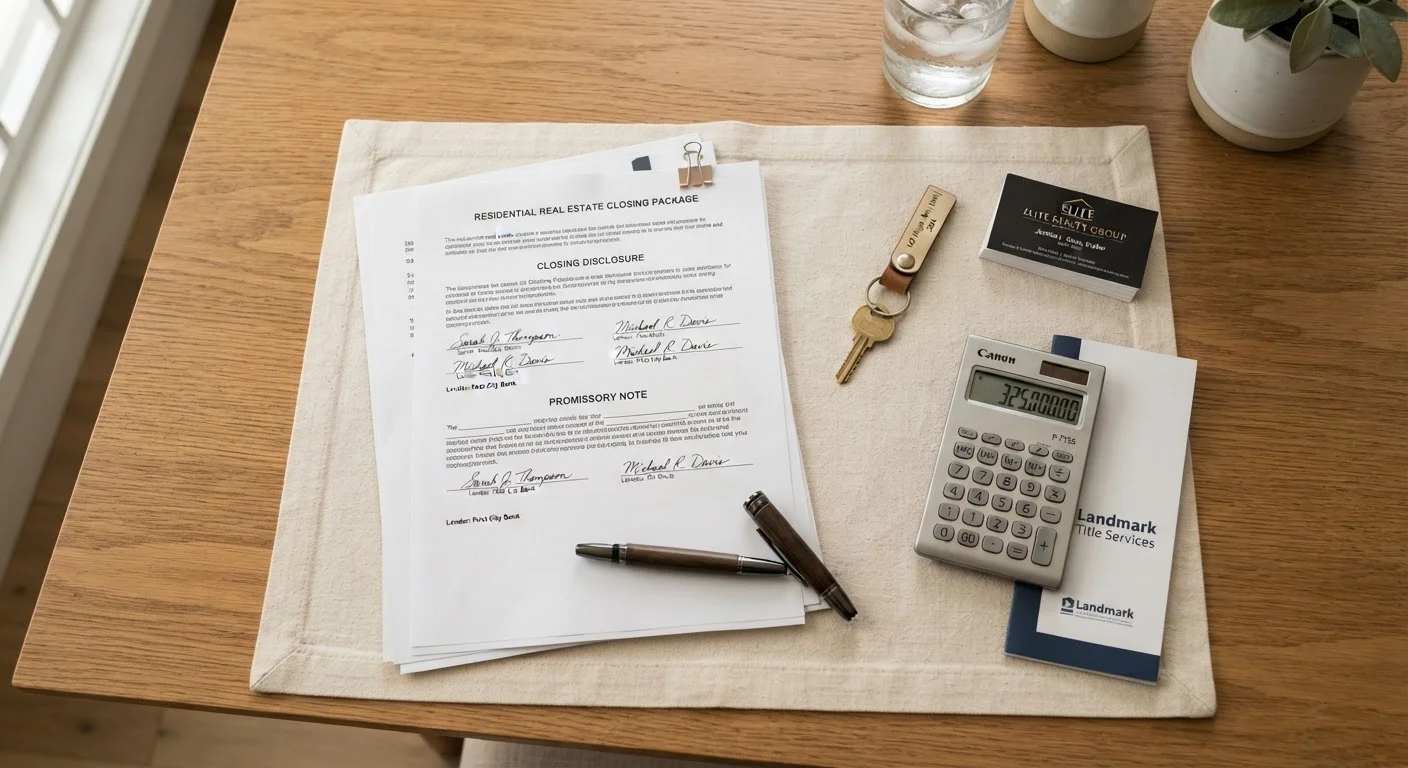
These costs are disclosed on the Closing Disclosure, a standardized federal form lenders must provide at least three business days before closing. But seeing the document for the first time days before signing — without understanding each line — is a stressful and costly surprise. Understanding what's on it, and why each fee exists, puts you in a far stronger position. See our step-by-step guide to the homebuying process for a broader overview of what to expect from offer to closing.
Treating the Loan Estimate as a guaranteed final number rather than an estimate.
Why it happens: Buyers receive the Loan Estimate early in the process and assume those figures are locked in, not realizing third-party fees and prepaids can shift before closing.
Assuming all closing costs are set in stone and non-negotiable.
Why it happens: Buyers often don't realize that some fees — like lender origination charges and certain title services — can be negotiated or shopped for competitive rates.
Forgetting to budget for prepaid items and escrow reserves separately from closing fees.
Why it happens: The term "closing costs" is often used loosely to mean all upfront expenses, causing buyers to conflate lender/title fees with prepaid insurance, taxes, and interest.
Neglecting to ask about seller concessions during offer negotiation.
Why it happens: Many first-time buyers don't know that sellers can contribute toward a buyer's closing costs as part of the purchase agreement, especially in slower markets.
Draining savings entirely on the down payment, leaving no buffer for closing costs.
Why it happens: Buyers stretch to hit a down payment threshold (such as 20%) without accounting for the separate cash required at closing, leaving them financially overextended.
Fees, Prepaids, and Reserves: What You're Actually Paying
Closing costs fall into three general buckets. Lender fees cover loan origination, underwriting, and processing — compensation for the lender's work in evaluating and funding your mortgage. Third-party fees include title search, title insurance, appraisal, attorney services (in states where required), and settlement agent fees. Prepaid items and escrow reserves are often the most misunderstood: these include prepaid homeowners insurance, prepaid property taxes, and prepaid mortgage interest for the days remaining in the closing month.
2%–5%
Typical closing cost range as share of loan
The Consumer Financial Protection Bureau (CFPB) cites 2–5% of the loan amount as a common range for closing costs, varying by location, loan type, and lender.
3 days
Minimum notice before closing for Closing Disclosure
Under federal TRID rules, lenders are required to deliver the Closing Disclosure at least three business days before loan consummation, giving buyers time to review fees.
Prepaid items aren't fees you're losing — they're costs you'd pay anyway, simply collected upfront to fund your escrow account. But they do require real cash at closing. Not understanding this distinction leads many buyers to feel blindsided when their "closing costs" seem larger than the Loan Estimate suggested. For a deeper explanation of how escrow and insurance fold into your ongoing payments, see what goes into a mortgage payment beyond principal and interest.
Don't Wait Until Closing Week to Review Costs
Receiving the Closing Disclosure just three business days before signing leaves little time to question or dispute unexpected charges. Ask your lender for an updated fee estimate two to three weeks before your closing date so you have adequate time to review, compare against your Loan Estimate, and raise any concerns without the pressure of an imminent deadline.
Title insurance is another fee that surprises buyers. There are two types: a lender's policy (almost always required) and an owner's policy (optional but strongly recommended). Each protects different parties against title defects — undisclosed liens, ownership disputes, or clerical errors in public records. Costs vary by state and purchase price, but can easily run $1,000 to $2,500 combined. For a complete breakdown of who pays which fees, our closing costs guide for buyers and sellers explains typical responsibilities on each side of the transaction.
This article is for general informational purposes only and does not constitute financial, legal, or real estate advice. Closing cost amounts vary by loan type, location, lender, and individual circumstances. Consult a qualified real estate professional, mortgage lender, or attorney for guidance specific to your situation.