Why Debt Warning Signs Are Easy to Miss
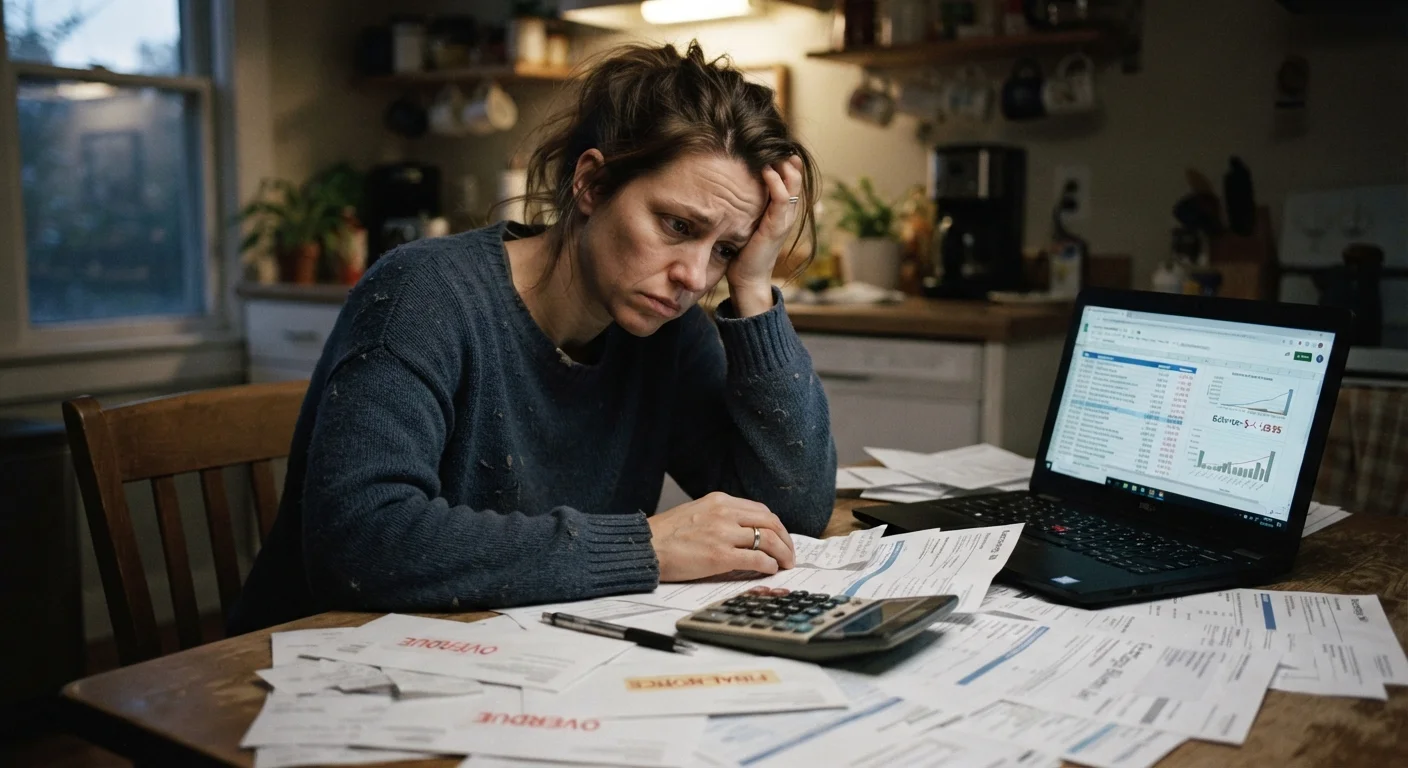
Debt rarely becomes unmanageable overnight. It tends to creep up gradually — an extra credit card balance here, a skipped payment there — until the numbers become genuinely difficult to control. The challenge is that many of the early warning signs feel like temporary cash-flow problems rather than structural financial stress.
Understanding whether your debt load is approaching a danger zone requires an honest audit of your finances. This checklist gives you a systematic way to do that. Working through it alongside a broader look at your spending habits — see the Budgeting Basics hub for foundational strategies — gives you the clearest picture of where you stand.
This Is Education, Not Personalized Advice
The information in this article is general financial education intended to help you recognize warning signs and understand available options. It is not a substitute for personalized financial, credit, or legal advice. Debt situations vary significantly based on individual circumstances, and a licensed professional — such as a nonprofit credit counselor, financial adviser, or attorney — can help you evaluate what makes sense for your specific situation.
This article provides general financial education and is not personalized financial, legal, or credit advice. If you are facing serious debt difficulty, consult a licensed financial adviser, nonprofit credit counselor, or attorney to evaluate options specific to your situation.
Tools You'll Need for This Audit
Before working through the checklist, gather the materials below. Having accurate numbers in front of you is essential — estimates tend to understate the problem.
Recent pay stubs or bank statements
Used to calculate your accurate monthly take-home income for debt-to-income calculations.
Credit card and loan statements (last 3 months)
Provides current balances, interest rates, minimum payments, and payment history for each account.
Free credit report
Allows you to verify all open accounts, check for collections, and review your overall credit utilization; available at AnnualCreditReport.com.
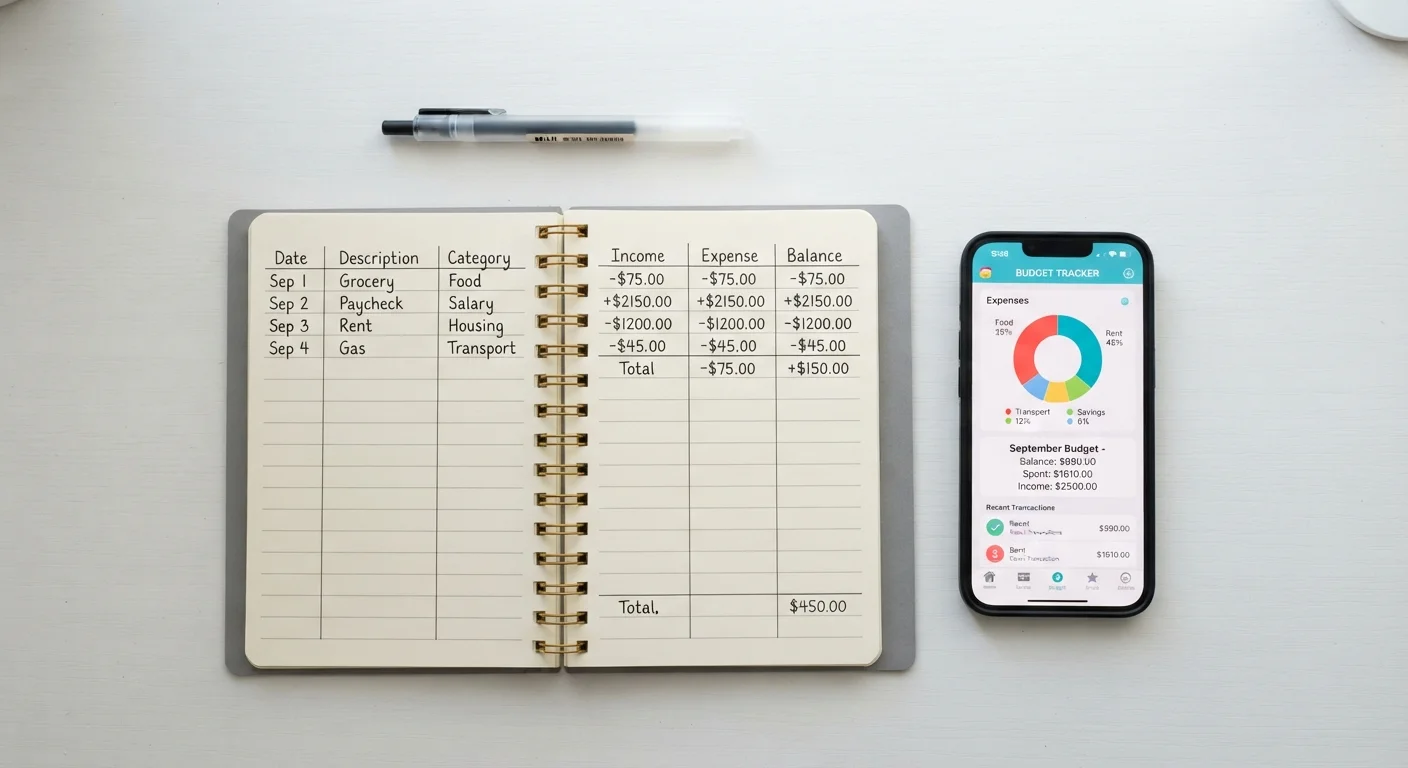
Spreadsheet or budgeting app
Helps you organize your debt inventory and track monthly cash flow as you work through the checklist.
Nonprofit credit counseling contact
Organizations such as NFCC-member agencies offer free or low-cost sessions to review your debt situation professionally.
The Warning Signs Checklist
Use the checklist below to identify which warning signs apply to your situation. The more items you check, the more urgent it is to take deliberate action. Even two or three items in the "must" category warrant a serious review of your debt strategy.
Debt-to-Income Red Flags
Payment Behavior Signals
Cash Flow and Savings Health
Credit Utilization and Access
Behavioral and Awareness Checks
Debt Settlement Carries Real Risks
Debt settlement — negotiating to pay less than you owe — may sound appealing but can result in significant credit score damage, tax liability on forgiven amounts, and fees if you use a for-profit settlement company. It is not appropriate for every situation and should only be considered after understanding the full consequences. Always consult a qualified professional before pursuing this route.
Payday Loans Can Deepen the Cycle
Using high-interest short-term loans to cover minimum payments on existing debt is a pattern that can rapidly accelerate financial distress. If you find yourself relying on these products regularly, treat it as an urgent signal to seek structured guidance from a nonprofit credit counselor.
What to Do Once You've Identified the Problem
Recognizing that debt is becoming unmanageable is genuinely difficult — but it puts you ahead of the problem rather than behind it. The next step is deciding which path forward fits your situation.
Start With a Debt Inventory
List every debt — balance, interest rate, minimum payment, and due date. This single document becomes the foundation for any repayment strategy. If you are unsure how to balance debt payoff against building savings at the same time, the article Saving and Paying Off Debt at the Same Time: How to Prioritize offers a structured way to weigh both goals.
Contact a Nonprofit Credit Counselor
The National Foundation for Credit Counseling (NFCC) and similar nonprofit organizations offer free or low-cost debt counseling. A certified counselor can review your full financial picture and propose options — including a Debt Management Plan (DMP), which consolidates payments and may negotiate lower interest rates with creditors.
Understand the Full Range of Options
Depending on severity, options range from self-directed repayment strategies (avalanche or snowball methods), to DMP enrollment, to debt settlement, to bankruptcy as a last resort. Each carries different credit implications, costs, and timelines. No single path is right for everyone, and an independent professional can help you evaluate trade-offs honestly.
Guard Against New Debt
While addressing existing balances, it is equally important to reduce the conditions that allowed the debt to grow. Reviewing your spending habits — and how consumer impulses factor in — is worthwhile. The Smarter Shopping hub covers common consumer pitfalls worth understanding. Financial stress can also manifest in ways beyond your bank account; if you notice broader signs of exhaustion or overwhelm, those warning signals deserve attention too.
This article is for general informational and educational purposes only and does not constitute personalized financial, tax, legal, or credit advice. Consult a qualified professional before making decisions about your specific debt situation.