The Simplest Definition of a Personal Budget
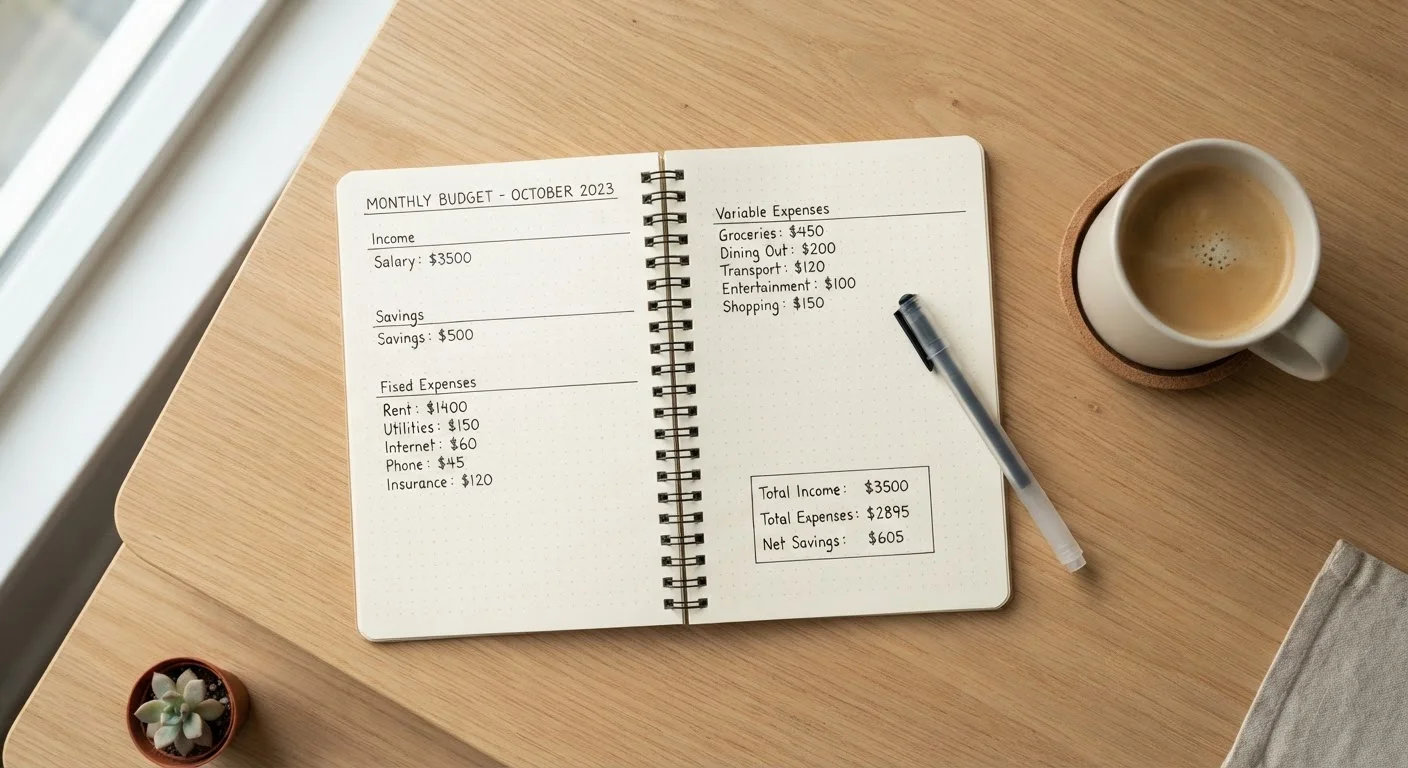
Strip away the spreadsheets, the apps, and the jargon, and a personal budget comes down to one core idea: plan your money before you spend it. A budget lists your expected income for a given period — usually a month — and assigns every dollar a purpose, whether that's rent, groceries, savings, or leisure.
That's it. No complicated formulas. No accounting degree required. A budget is simply a decision made in advance about where your money will go, rather than a confession of where it already went.
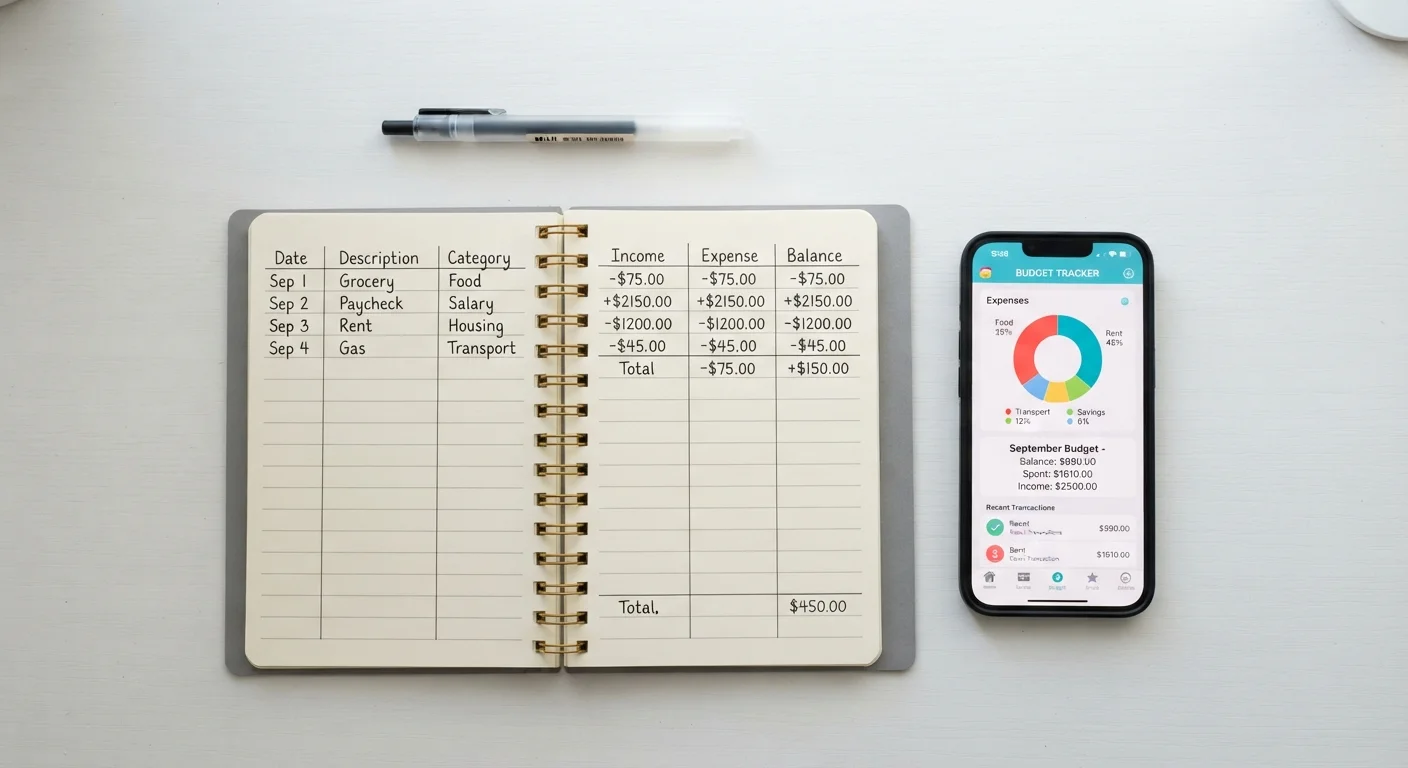
This distinction matters. Many people confuse budgeting with expense tracking — logging purchases after the fact. Tracking is valuable, but it's a rearview mirror. A budget is the windshield: it helps you steer toward where you want to go. For a deeper dive into how these concepts connect, see budgeting vocabulary every beginner should know.
~33%
Americans with a written household budget
Surveys by Gallup and various financial literacy organizations have consistently found that only about one-third of American households maintain a detailed written budget.
57%
Adults unprepared for a $1,000 emergency
According to Bankrate's annual Emergency Savings Report, a majority of U.S. adults say they could not cover a $1,000 unexpected expense from savings alone.
What a Budget Is Not
Misconceptions about budgeting are widespread, and they keep many people from ever starting. Here are the most common ones worth setting aside:
- A budget is not a punishment. It doesn't exist to make life uncomfortable. A well-built budget includes spending on things you enjoy — it just makes that spending deliberate.
- A budget is not only for people in debt or financial crisis. Budgeting is equally useful for someone earning a comfortable income who wants to build wealth intentionally.
- A budget is not a rigid, unchangeable document. Life changes. So does a good budget. Adjusting your plan when your circumstances shift is a feature, not a failure.
- A budget is not a one-size-fits-all formula. The 50/30/20 rule, zero-based budgeting, and envelope methods are all frameworks — starting points, not mandates.
If some of these points resonate because you've heard the opposite, you're not alone. Common budgeting myths can make the whole idea feel more intimidating than it needs to be.
Start With What You Already Know
You don't need a perfect understanding of your spending to start a budget. Begin with what you know for certain — your take-home income and your fixed expenses like rent and loan payments. Fill in variable categories with reasonable estimates and refine over the first two or three months as real data comes in. A rough budget you actually use beats a perfect one you never start.
The Two Pillars Every Budget Rests On
Regardless of the format or method, every personal budget is built from the same two inputs: income and expenses.
Income
Income is any money coming into your household — wages, freelance earnings, side income, government benefits, or any other source. For budgeting purposes, use your net income (what actually lands in your account after taxes and deductions), not your gross salary. Planning with gross income leads to shortfalls.
Expenses
Expenses fall into two broad categories:
- Fixed expenses
- Costs that stay the same each month — rent or mortgage, car payments, insurance premiums, and loan installments.
- Variable expenses
- Costs that fluctuate — groceries, utilities, fuel, dining, entertainment, and clothing.
The relationship between your income and your total expenses determines whether your budget is balanced, surplus, or deficit. A balanced budget doesn't mean equal spending on everything — it means your planned spending doesn't exceed your planned income.
Why Budgeting Changes How You Relate to Money
A budget's practical value extends beyond math. When you assign your money a job before you spend it, you move from a reactive relationship with your finances to a proactive one. Instead of wondering at the end of the month where it all went, you make deliberate choices at the beginning.
This shift matters especially for goals that feel distant — an emergency fund, paying down debt, a vacation, or retirement. A budget translates those goals into monthly line items, making them concrete and achievable rather than vague aspirations.
Research from the Consumer Financial Protection Bureau and other financial literacy organizations consistently finds that people who maintain a written or digital spending plan report greater confidence in managing unexpected expenses. That confidence compounds over time.
If you're ready to build your first budget from scratch, this plain-English walkthrough takes you through the process step by step. For those navigating tight margins, budgeting on a paycheck-to-paycheck basis offers a grounded, practical approach designed for real constraints.
This article is for general informational and educational purposes only and does not constitute personalized financial advice. Consult a qualified financial professional for guidance specific to your situation.