What Standard Manufacturer Warranties Generally Include
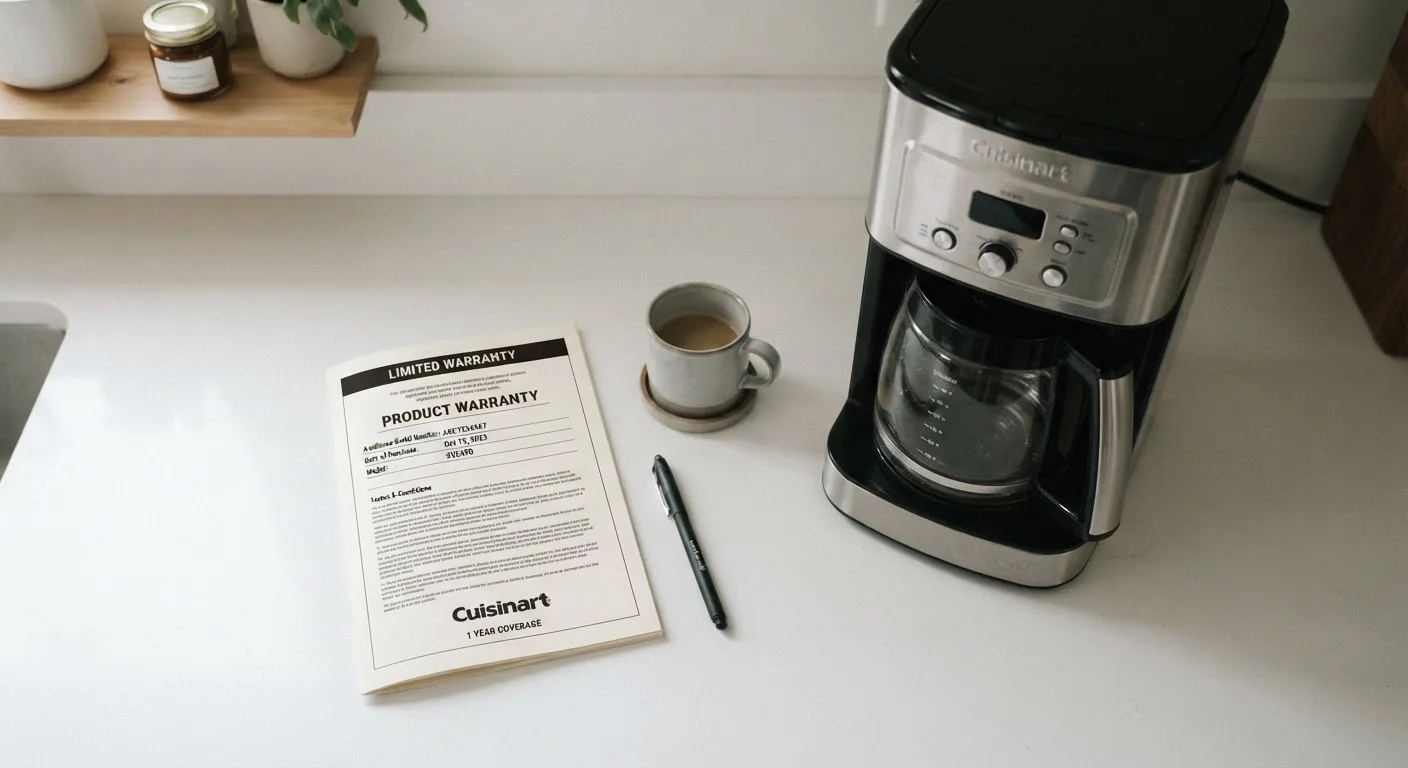
When you purchase a major appliance - a dishwasher, refrigerator, washer, or dryer - it almost always comes with a manufacturer's limited warranty. The word "limited" is doing a lot of work there: it signals that coverage has boundaries, and understanding those boundaries before something goes wrong is far more useful than reading the fine print during a repair crisis.
Most standard warranties cover two broad things: defects in materials (a faulty part that should not have failed) and defects in workmanship (something assembled incorrectly at the factory). If your refrigerator's control board fails after six months for no apparent reason, that's the kind of failure a manufacturer warranty is designed to address. Coverage typically includes both parts and labor for the duration of the warranty period.
Some manufacturers offer tiered coverage - for example, full parts-and-labor coverage for the first year, followed by parts-only coverage on specific components for additional years. Compressors in refrigerators are a common example of a component with extended coverage. Always look for these tiers in the warranty document rather than assuming uniform protection across the whole appliance.
Register Your Appliance Right Away
Many manufacturers allow warranty registration online within 30 days of purchase. Registration links your ownership record to the product's serial number, which can significantly simplify the claims process. It also allows manufacturers to reach you directly in the event of a safety recall.
For a broader look at how different warranty types compare - including implied and extended coverage - see our guide on warranty types decoded.
Common Exclusions: What Warranties Usually Don't Cover
The exclusions section of a warranty document is where many consumers get an unwelcome surprise. Understanding what is commonly excluded helps set realistic expectations and informs decisions about additional protection.
- Normal wear and tear: Parts that degrade over time through regular use - gaskets, filters, interior finishes - are almost universally excluded.
- Cosmetic damage: Scratches, dents, and discoloration are not typically covered, even if they occurred during delivery.
- Improper installation: If the appliance was not installed per manufacturer specifications, resulting damage is generally excluded. This is especially relevant for gas ranges, built-in dishwashers, and over-the-range microwaves.
- User-caused damage: Damage from accidents, misuse, unauthorized modifications, or failure to follow care instructions falls outside standard coverage.
- Acts of nature: Power surges, flooding, and storm damage are not manufacturer defects. These scenarios may - or may not - be addressed by homeowners insurance instead. Understanding coverage gaps that surface after a claim can help clarify this distinction.
- Commercial use: Appliances purchased for residential use and then used commercially often have their warranty voided entirely.
Warranties vs. Homeowners Insurance: Different Tools
An appliance warranty covers manufacturing defects; homeowners insurance typically covers damage from covered perils like fire or water intrusion - not mechanical breakdown. Neither is a complete safety net on its own. Understanding how these two forms of protection interact can help you avoid assumptions about what is and isn't covered in a given situation.
Protecting Yourself: Practical Steps Before and After Purchase
Reading the warranty document before purchase - not after - gives you useful comparative information. Warranty terms are sometimes accessible on manufacturer websites prior to buying, and they can meaningfully differ between otherwise similar products.
1 year
Typical standard appliance warranty length
Most major appliance manufacturers offer a one-year limited warranty covering parts and labor for defects in materials and workmanship.
5-10 years
Common compressor warranty on refrigerators
Refrigerator compressors - a costly component to replace - frequently carry extended coverage well beyond the base one-year period in manufacturer documentation.
~30%
Appliances repaired under warranty per Consumer Reports survey data
Consumer Reports surveys have historically found that a meaningful share of major appliance owners report needing a repair within the first few years of ownership.
Keep proof of purchase. A receipt or order confirmation is typically required to file a warranty claim. Digital copies stored in email or cloud storage are just as valid as paper and easier to locate. If your appliance requires registration, complete it promptly - some manufacturers use registration data to expedite claims processing.
Document the problem clearly. When something goes wrong, note the specific symptom, when it started, and any error codes the appliance displays. This information supports your claim and helps technicians diagnose the issue faster.
If you're weighing whether to purchase an extended service contract, treat it as a separate decision from the manufacturer warranty. These plans vary considerably in what they actually cover, who administers the repairs, and how claims are processed. The Smarter Shopping hub has additional guidance on evaluating consumer protection options without the sales pressure.
This article is for general informational purposes only. Warranty terms vary by manufacturer, product, and jurisdiction. Always read the specific warranty documentation included with your appliance and consult the manufacturer directly for guidance on your individual situation.