Why Security Deposit Disputes Are So Common
Security deposits exist to protect landlords from financial loss — unpaid rent, cleaning costs, or damage beyond what's considered normal. But disputes over how much to return are among the most frequent conflicts in any landlord-tenant relationship. The root cause is almost always a gap in documentation or a misunderstanding of what landlords are legally permitted to keep.
The good news: most deposit losses are preventable. The mistakes that cost renters money are largely consistent, predictable, and avoidable with a bit of preparation. Whether you're moving in, living in a unit, or preparing to leave, understanding where things go wrong puts you in a significantly stronger position.
For a broader look at the renting process from start to finish, see the complete guide to renting and leasing.
The Most Common Mistakes That Cost Renters Their Deposit
The following errors account for the vast majority of legitimate — and sometimes illegitimate — deposit deductions. Review each carefully, whether you're a first-time renter or a long-term tenant approaching move-out.
Skipping the move-in walkthrough and condition documentation.
Why it happens: Many tenants assume the unit is in acceptable condition or feel awkward scrutinizing a landlord's property before they've even moved in.
Confusing damage with normal wear and tear — and so can landlords.
Why it happens: The line between acceptable aging and chargeable damage is genuinely blurry, and many tenants don't know they have the right to dispute improper deductions.
Failing to provide proper written notice before vacating.
Why it happens: Tenants sometimes assume a verbal heads-up or a text message satisfies lease requirements, or they simply don't check what their lease requires.
Leaving the unit without professional-level cleaning.
Why it happens: Renters often underestimate how thoroughly a unit must be cleaned, or assume minor mess is acceptable after years of occupancy.
Not following up on your deposit return after move-out.
Why it happens: Tenants often don't know their state's required return timeline, and assume no news means everything is fine.
Making unauthorized modifications to the unit.
Why it happens: Tenants personalize their space without realizing that painting walls, installing shelving, or changing hardware requires written landlord approval.
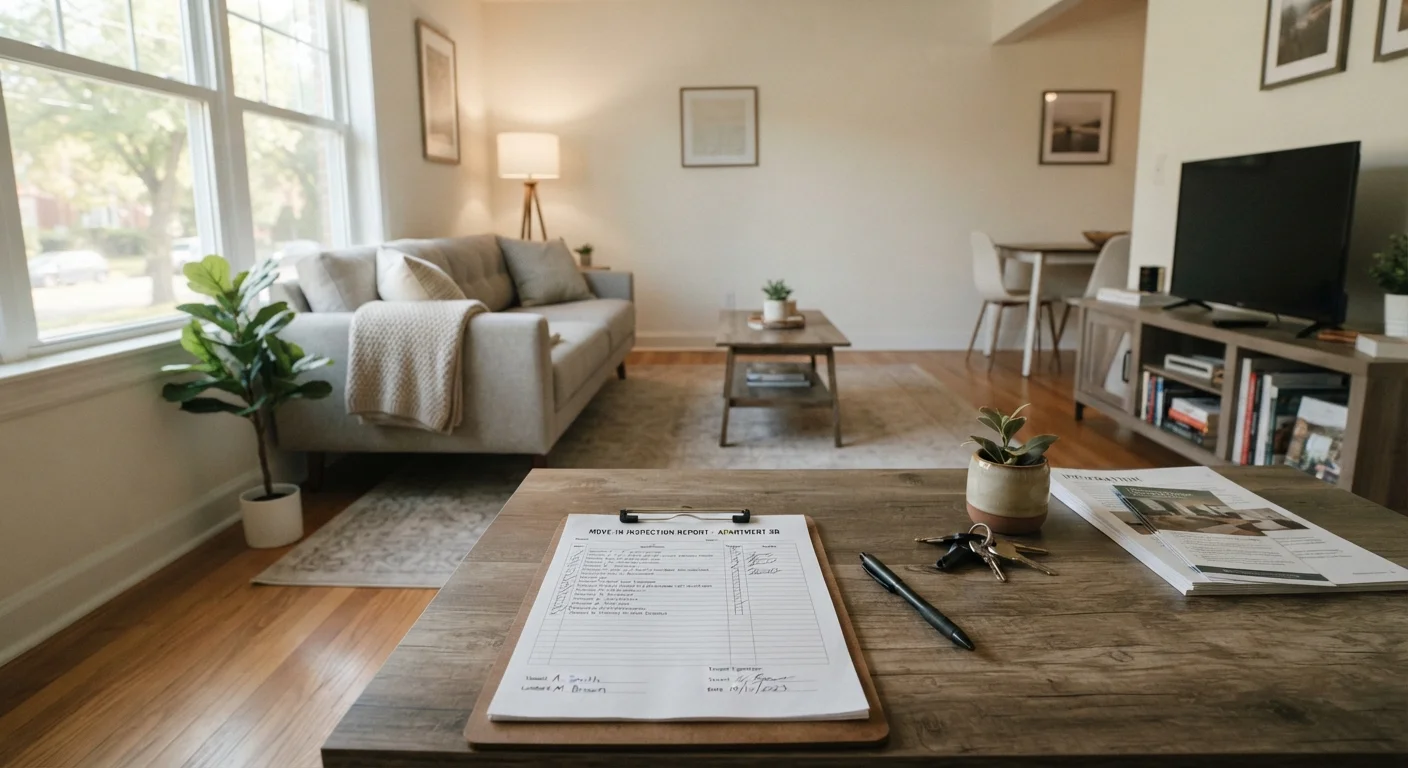
Before signing any lease, a thorough move-in inspection is one of the most protective steps you can take. Documenting the unit's condition at the start of a tenancy is the foundation on which every deposit dispute ultimately rests.
Don't Rely on Memory Alone
Verbal agreements and informal texts carry little weight in a deposit dispute. Every significant communication with your landlord — maintenance requests, move-out notice, damage disclosures — should be documented in writing and saved. Courts and small claims processes favor parties with clear paper trails.
What to Do If Deductions Seem Unfair
If you receive an itemized deduction statement you believe is inaccurate or excessive, you have options. Start by comparing the landlord's claims against your move-in documentation — photos, inspection forms, and written communications. Respond in writing, specifically disputing each charge you consider improper.
If good-faith communication doesn't resolve the issue, most states allow tenants to pursue disputes through small claims court, which is designed for exactly this type of relatively low-dollar disagreement and doesn't typically require an attorney. Many courthouses offer self-help resources for small claims filers.
~50%
Renters who report deposit disputes
Industry surveys consistently show roughly half of renters encounter some disagreement over deposit deductions at the end of a tenancy.
14–30 days
Typical deposit return window
Most U.S. states legally require landlords to return security deposits within 14 to 30 days of move-out, though exact timelines vary by jurisdiction.
2–3x
Penalty multiplier in many states
Several states allow tenants to recover double or triple the withheld deposit amount when landlords fail to return funds or itemizations on time.
Keep in mind that state law governs the entire process — from what counts as an allowable deduction to how long a landlord has to respond. Being unfamiliar with local rules is itself a common disadvantage. Reviewing widespread myths about tenant rights can help you distinguish legitimate claims from overreach.
Know Your State's Deposit Laws
Security deposit rules — including maximum amounts, allowable deductions, and return deadlines — are set by state law and vary significantly. Some cities and counties add further protections. Before signing a lease or vacating a unit, familiarize yourself with the rules that apply in your location. See how security deposit rules vary by state for a general overview.
This article provides general information about security deposits and renter practices. It is not legal advice. Laws governing security deposits vary by state and locality. Consult a qualified attorney or tenant rights organization for guidance specific to your situation.