Your Body Was Built for Short-Term Danger
Imagine encountering a threat: within milliseconds, your brain's amygdala fires an alarm, your hypothalamus signals the adrenal glands, and a cascade of adrenaline and cortisol floods your bloodstream. Heart rate climbs. Breathing quickens. Blood redirects to your muscles. Digestion pauses. This is the fight-or-flight response - one of the most elegant survival mechanisms in human biology.
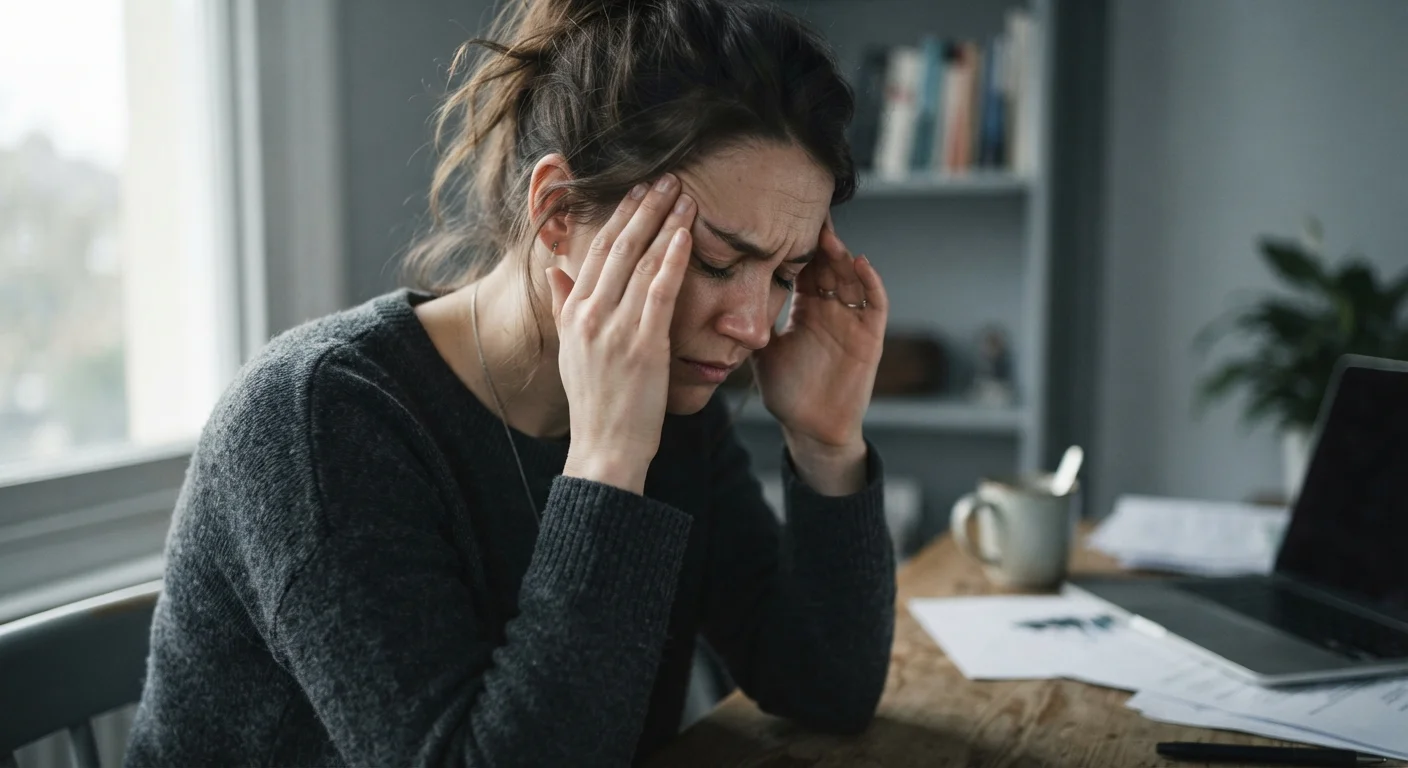
The problem? It was designed for brief, physical threats - not a relentless inbox, financial strain, or caregiving demands that stretch across months. When the brain continues to perceive threat without resolution, the stress system stays activated, and all those physical changes stop being temporary. They become baseline.
This is why stress isn't just a feeling. It is a whole-body physiological state. Understanding that distinction is one of the most validating - and practically useful - things anyone managing stress can learn. For a broader look at how stress fits into overall wellbeing, see our comprehensive mental wellness overview.
What Cortisol Actually Does to Your Body
Cortisol is often labeled the "stress hormone," but that framing undersells its complexity. In normal, pulsed amounts, cortisol plays a critical role in regulating metabolism, inflammation, and the sleep-wake cycle. The issue arises when levels stay chronically elevated.
77%
Adults reporting physical symptoms from stress
According to the American Psychological Association's Stress in America survey, a large majority of U.S. adults regularly experience physical symptoms they attribute to stress.
3x
Increased illness susceptibility under chronic stress
Research published in health psychology literature suggests people under chronic stress are significantly more susceptible to common infections compared to those with lower stress levels.
60-80%
Primary care visits with a stress-related component
Estimates from occupational health research suggest that the majority of visits to primary care physicians involve a stress-related component, though causation is complex and multifactorial.
Sustained high cortisol suppresses immune function by reducing the production of infection-fighting white blood cells. It raises blood pressure by sensitizing blood vessels to constricting hormones. It promotes fat storage - particularly around the abdomen - and disrupts blood sugar regulation. In the brain, prolonged cortisol exposure can impair memory and concentration, which many people experience as a foggy, distracted mental state that feels distinctly physical.
Meanwhile, the secondary hormone adrenaline (epinephrine) keeps the cardiovascular system in a state of readiness - elevating heart rate and muscle tension even when there's nothing physical to run from. That tension accumulates in the neck, shoulders, and jaw, producing some of the most common physical complaints people associate with stress.
The HPA Axis: Your Stress Command Center
The hypothalamic-pituitary-adrenal (HPA) axis is the hormonal pathway that governs how your body ramps up and winds down the stress response. In healthy function, this system self-regulates - cortisol signals the brain to dial back production once a threat has passed. Under chronic stress, this feedback loop becomes less sensitive, meaning the 'off switch' works less effectively. Understanding this helps explain why chronic stress can feel self-perpetuating.
The Sleep-Stress Feedback Loop
One of the most disruptive effects of chronic stress is what it does to sleep. Cortisol follows a natural daily rhythm, peaking in the morning and declining through the evening to allow sleep onset. Chronic stress flattens and distorts this curve, keeping cortisol elevated at night precisely when it should be lowest.
The result: difficulty falling asleep, frequent waking, and non-restorative rest. Sleep deprivation, in turn, amplifies the stress response the following day - the amygdala becomes more reactive, and the prefrontal cortex (which normally modulates emotional reactions) has less capacity to do its job. Poor sleep and chronic stress reinforce each other in a well-documented cycle.
Building intentional wind-down habits can help interrupt this loop. Our guide on creating a wind-down routine that improves sleep offers practical, evidence-informed approaches. If racing thoughts are part of the pattern, protecting your sleep from nighttime anxiety covers targeted strategies for that specific challenge.
Use Your Breath to Shift Gears
Slow, extended exhalations directly stimulate the vagus nerve, which activates the parasympathetic nervous system - your body's counterweight to the stress response. Even a few minutes of deliberate slow breathing (inhaling for four counts, exhaling for six) can measurably lower heart rate and reduce the sense of physical tension. It's one of the most accessible self-regulation tools available, requiring no equipment or special setting.
Recognizing the Signal - and What to Do Next
Physical symptoms of chronic stress are real, measurable, and not a sign of weakness. Tight muscles, frequent colds, digestive discomfort, a persistently elevated heart rate, and disrupted sleep are all physiologically explainable responses to sustained hormonal activation. Naming them as such removes shame from the conversation.
Self-awareness is a meaningful starting point. A structured weekly check-in - scanning for physical, emotional, and behavioral signals - can help you notice patterns before they escalate. Our ten-minute weekly mental health check-in provides a simple framework for doing exactly that.
Practices that reliably activate the parasympathetic nervous system - slow, diaphragmatic breathing, regular moderate exercise, consistent sleep schedules, and social connection - have evidence behind them as tools for reducing chronic stress load. None are quick fixes, but all work with the body's own regulatory systems rather than against them.
This article provides general health information and education only. It is not a substitute for advice from a qualified healthcare provider. If you are experiencing persistent physical symptoms or distress, please consult a licensed health professional.