What Each Term Actually Means
The confusion between mindfulness and meditation is understandable - they're deeply related, frequently mentioned together, and often marketed as the same thing. But understanding the distinction helps you use each more effectively as part of your mental wellness toolkit.
Mindfulness is a mental quality, not a technique. Broadly defined, it refers to deliberate, non-judgmental awareness of the present moment - noticing your thoughts, feelings, body sensations, and surroundings as they are, without immediately reacting or labeling them as good or bad. You can be mindful while drinking your morning coffee, listening to a colleague, or taking a walk.
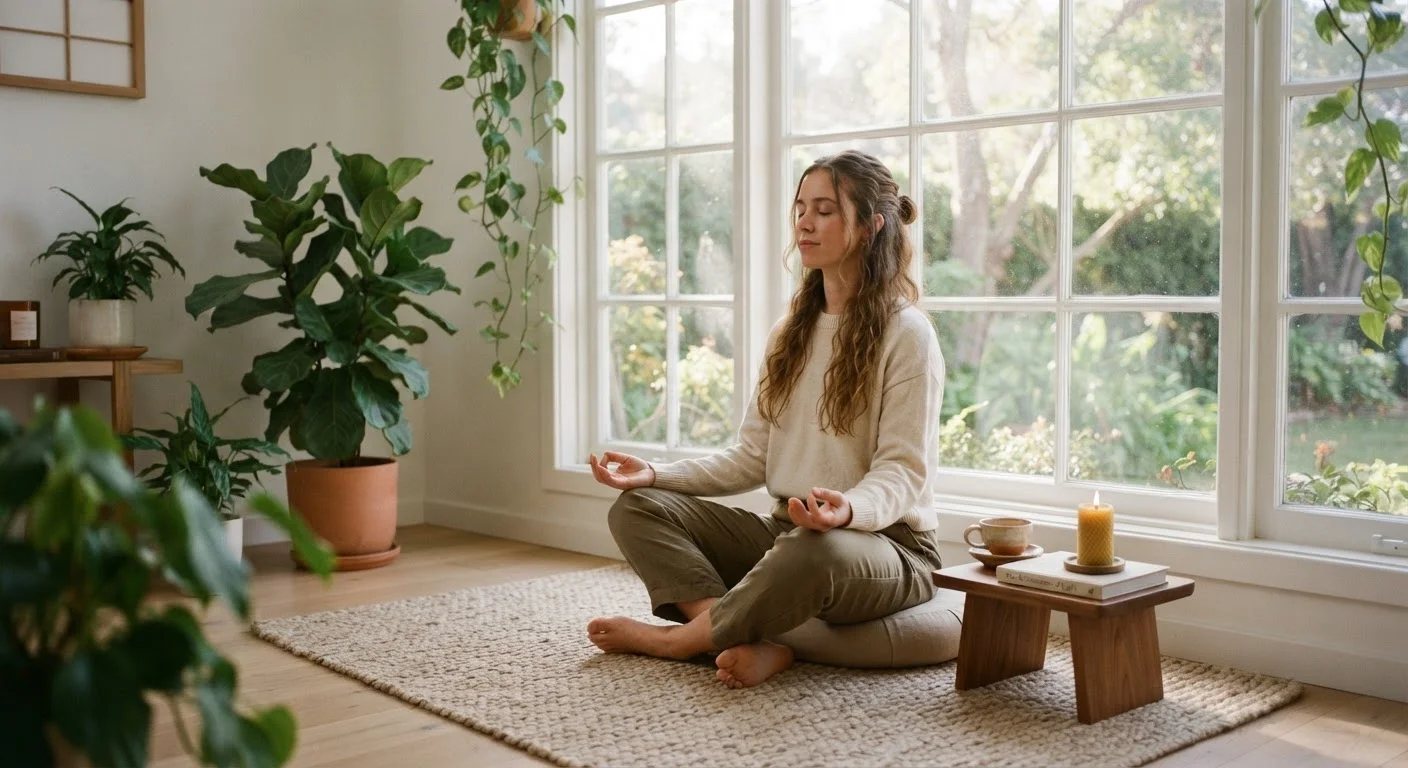
Meditation is a formal practice - a set of exercises performed intentionally, usually in a dedicated time block. It functions more like a workout for your attention and emotional regulation. Meditation encompasses many styles, including focused-attention meditation (like breath awareness), loving-kindness meditation, body-scan meditation, visualization, and yes - mindfulness meditation, which applies the quality of mindfulness within a structured session.
In short: mindfulness is something you are; meditation is something you do. This is why all mindfulness meditation qualifies as meditation, but meditation as a category extends well beyond mindfulness alone. For a broader look at how these practices fit into overall wellbeing, see our comprehensive mental wellness overview.
How They Compare Side by Side
Placing the two side by side makes the practical differences easier to see.
| Criterion | Mindfulness | Meditation |
|---|---|---|
| What it is | A quality of present-moment awareness | A formal, structured mental practice |
| When you do it | Anytime, integrated into daily life | During a dedicated, scheduled session |
| Time required | No set time - moments to hours | Typically 5-45 minutes per session |
| Special setting needed | No - works anywhere | Often a quiet, comfortable space helps |
| Learning curve | Accessible from day one | Technique varies; guided formats ease entry |
| Includes the other? | Not inherently - mindfulness is a state | Mindfulness meditation is one meditation style |
One important nuance: the table above reflects general patterns. Many people integrate both - practicing informal mindfulness throughout the day and sitting down for structured meditation sessions several times a week. The two reinforce each other rather than compete.
What the Research Suggests
Both practices have attracted significant scientific interest. A substantial body of research supports mindfulness-based interventions for reducing perceived stress, improving attention, and supporting emotional regulation. Mindfulness-Based Stress Reduction (MBSR), an eight-week structured program developed at the University of Massachusetts Medical School, remains one of the most studied formats and combines formal meditation sessions with informal mindfulness practice.
~$2B+
Annual U.S. spending on meditation apps and programs
Market research consistently points to rapid growth in mindfulness and meditation products, reflecting broad mainstream adoption across the U.S.
8 weeks
Standard length of an MBSR program
Mindfulness-Based Stress Reduction, developed at UMass Medical School, typically runs eight weeks and combines formal meditation with informal mindfulness practice.
~18%
U.S. adults who report meditating regularly
National survey data from the CDC's National Health Interview Survey has shown meditation practice among American adults rising substantially over the past decade.
It's worth noting that research quality varies - many studies involve small samples or self-reported outcomes. The evidence is promising and growing, but individual results differ. Neither practice is a replacement for professional mental health treatment when that level of support is needed. If you're uncertain whether self-care tools or professional guidance better fit your situation, our article on therapy, coaching, and counseling can help clarify your options.
Mindfulness Meditation: Where Both Overlap
When someone says they practice 'mindfulness meditation,' they mean a specific meditation style that uses the quality of mindfulness - open, non-judgmental attention - as its core technique. This is the most common style taught in secular wellness programs and apps. It's a useful entry point, but it represents just one branch of a much broader meditation tree that includes techniques with very different aims and methods.
Choosing What Fits Your Life
There's no universal correct starting point. Some people find that a brief daily meditation habit - even five to ten minutes of guided breath-focus - creates an anchor that makes everything else easier. Others find formal meditation feels forced at first and prefer building mindfulness informally: pausing before meals, putting down the phone during conversations, or doing a single-task focus exercise.
Understanding what mental wellness actually means in a broader sense can also help you position these tools realistically. Neither mindfulness nor meditation is a cure-all - they're supportive habits that work best alongside quality sleep, social connection, physical activity, and professional care when appropriate.
If you're exploring either practice for the first time, starting small and staying consistent tends to matter more than technique perfection. A wandering mind during meditation isn't a failure - noticing that the mind wandered is the practice.
This article is for general informational and educational purposes only and is not a substitute for professional medical or mental health advice. If you are experiencing mental health symptoms, please consult a qualified healthcare provider.