A Denial Is Not Always the Final Answer
Receiving a claim denial can feel like a door slamming shut - especially when you're already dealing with property damage, a medical bill, or a car accident. But a denial is often a starting point for negotiation, not a final verdict. Understanding why insurers reject claims puts you in a much stronger position to respond effectively.
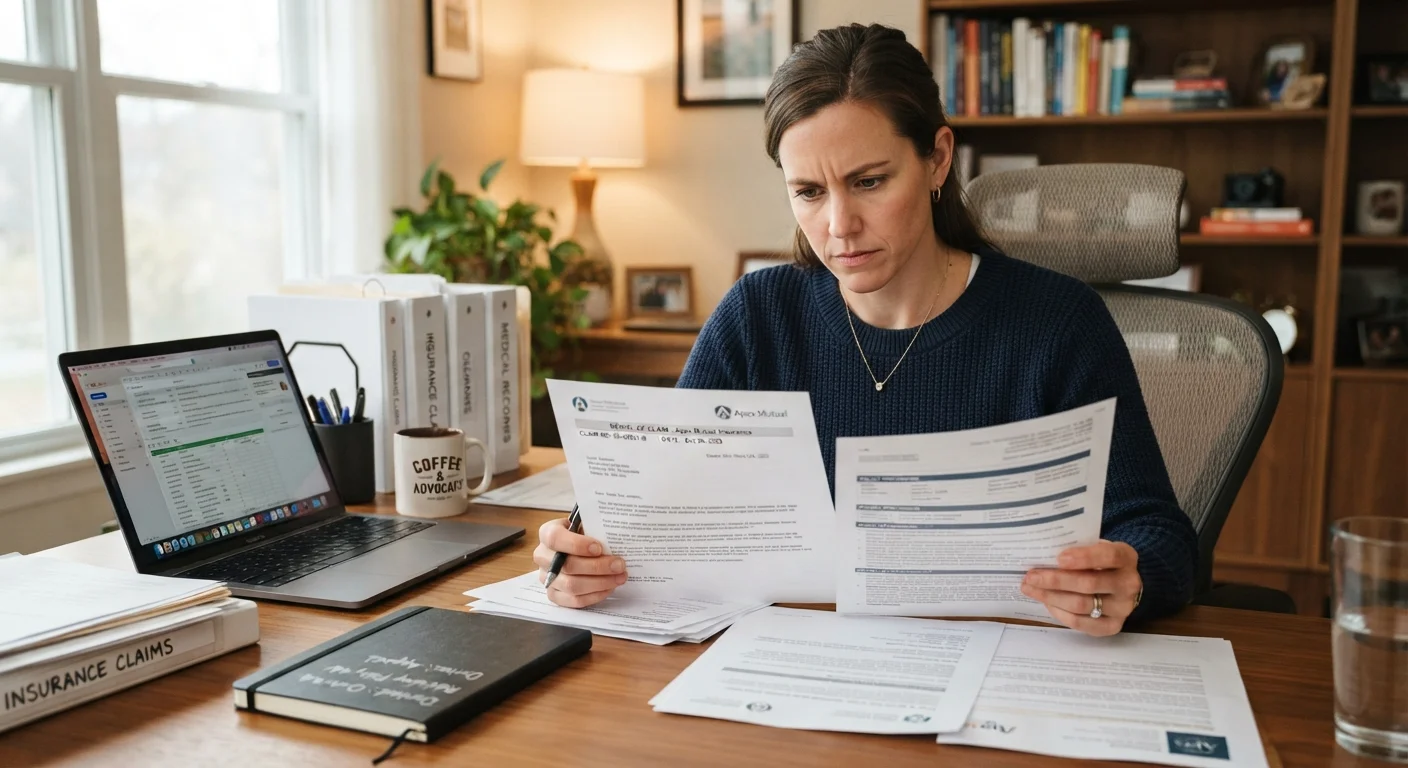
Insurance policies are contracts, and coverage decisions hinge on the specific language in your policy documents. When a claim is denied, the insurer must provide a written explanation. That explanation is your roadmap for what comes next. Before anything else, read it carefully and compare it against your actual policy terms.
This article is general insurance information and education - not personalized legal or insurance advice. Coverage terms, exclusions, and appeal rights vary by provider and state. For guidance specific to your situation, consult a licensed insurance professional or your state's insurance department.
Common Mistakes That Lead to Denials
Many denials trace back to avoidable missteps made before or during the claims process. Recognizing these patterns helps you avoid them going forward - and may reveal grounds to challenge a current denial.
Filing a claim for an event that falls under a policy exclusion.
Why it happens: Policyholders often buy coverage without reading the exclusions section carefully, assuming broader protection than the policy actually provides.
Reporting the claim too late after the incident occurred.
Why it happens: People sometimes delay reporting while they assess damage, wait for contractor estimates, or simply hope the situation resolves on its own.
Submitting incomplete or inconsistent documentation with the claim.
Why it happens: In stressful situations, it's easy to overlook records or submit information that doesn't align across different documents.
Assuming a verbal conversation with an agent equals confirmed coverage.
Why it happens: It feels natural to trust a reassuring phone call, and many policyholders don't realize that oral representations typically don't override written policy terms.
Misrepresenting or exaggerating the details of a claim.
Why it happens: Some policyholders inflate damage estimates hoping to recover more than the actual loss, not realizing insurers routinely investigate and cross-reference claims.
For a deeper look at how everyday policyholder actions can backfire, see ways policyholders accidentally undermine their own claims.
What to Do Immediately After a Denial
~18%
Health insurance marketplace claims denied
Kaiser Family Foundation analysis of insurer data found that marketplace insurers denied roughly 17-18% of in-network claims on average, though rates varied widely by plan.
< 0.2%
Denied health claims formally appealed
The same KFF research found that the vast majority of denied claims are never appealed, despite a meaningful share of internal appeals being decided in the enrollee's favor.
Start by requesting the denial in writing if you haven't already received it. Federal law requires health insurers to provide written denials with specific reasons; most state laws impose similar obligations on auto and home insurers. Once you have the written reason, pull out your policy declarations page and the relevant coverage sections and read them side by side.
Next, gather documentation: photos, receipts, repair estimates, medical records, police reports - whatever is relevant to your claim type. Gaps in documentation are one of the most common and correctable reasons for denial. If the insurer cited a policy exclusion, verify that the exclusion language actually applies to your specific circumstances. Exclusions are sometimes interpreted more broadly than the policy text supports.
Watch Appeal Deadlines Closely
Most insurance policies and state regulations set strict deadlines for filing an appeal after a denial - often 30 to 180 days depending on the insurance type and your state. Missing that window can forfeit your right to an internal review entirely. Mark the deadline as soon as you receive your denial letter and begin gathering your documentation immediately.
If you believe the denial is incorrect, the next step is a formal internal appeal. Our detailed guide on appealing an insurance claim decision walks through how to build your case, what to include, and when to escalate beyond the insurer.
This article is for general informational purposes only and does not constitute insurance, legal, or financial advice. Policy terms, coverage, and appeal rights vary by insurer and by state. Always review your actual policy documents and consult a licensed insurance agent or attorney for guidance specific to your situation.